
Jacó, Costa Rica: The Central Pacific's Premier Beach Town
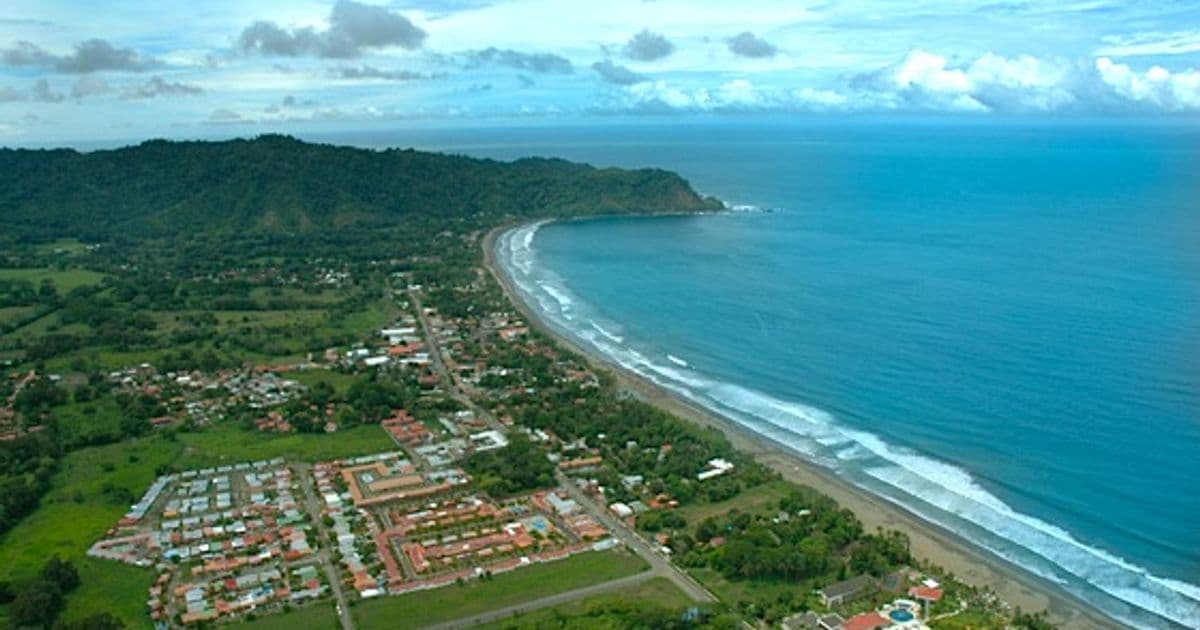
Jacó is Costa Rica's most accessible Pacific beach destination, located just 100 kilometers southwest of San José. The town has evolved from a sleepy fishing village into a vibrant hub for surfers, backpackers, vacationing Ticos, and international tourists seeking a lively beach scene with easy access from the capital. Jacó's long, dark-sand beach, consistent surf, and abundance of restaurants and nightlife make it one of the most visited towns in the country.
Overview of Jacó
Jacó sits in Garabito canton of Puntarenas province along Costa Rica's Central Pacific coast. The town stretches roughly 3 kilometers along Playa Jacó, a wide, dark-sand beach exposed to consistent Pacific swells. The main street, Avenida Pastor Díaz, is lined with surf shops, restaurants, souvenir stores, ATMs, and tour operators catering to the constant flow of visitors.
The town has a reputation as one of the more commercialized and nightlife-oriented destinations in Costa Rica, which suits travelers seeking activity and amenities. It is less suited to visitors who prefer quiet, undeveloped beach environments. Nevertheless, Jacó serves as an excellent base for exploring the broader Central Pacific region, including Carara National Park, Playa Hermosa, and the Tárcoles River crocodile zone.
The local population is a mix of Costa Rican residents, long-term expatriates from North America and Europe, and seasonal workers in the tourism industry. This diversity is reflected in the food scene, which spans traditional Costa Rican sodas, sushi restaurants, American-style sports bars, and international bistros.
Climate and Best Time to Visit
Jacó follows the Central Pacific climate pattern with a dry season from December through April and a rainy season from May through November. The dry season offers reliable sunshine and calmer ocean conditions ideal for swimming. The rainy season brings afternoon showers but also lush green surroundings and better surf from larger Pacific swells. Temperatures remain warm year-round, averaging 27–30°C (81–86°F).
Getting to Jacó from San José
Jacó is one of the easiest beach destinations to reach from San José, making it the go-to weekend escape for the capital's residents. The drive via the Costanera highway takes approximately 1.5 to 2 hours depending on traffic, particularly on Friday afternoons when the road becomes congested with city dwellers heading to the coast.
Public buses operated by Transportes Jacó depart from the Coca-Cola terminal in San José multiple times daily, with the journey taking about 2.5 hours. The bus is an economical option at roughly $5–$8 each way. Shared shuttle services from major San José hotels offer more comfort at $25–$40 per person. Many travelers also rent a vehicle at the airport and drive directly, taking the well-maintained Route 27 highway that passes through the mountains before descending to the coast.
Arriving via Liberia Airport
Travelers flying into Liberia's Daniel Oduber International Airport (LIR) who wish to visit Jacó face a longer overland journey of approximately 4–5 hours. In this case, flying into San José's Juan Santamaría Airport (SJO) is far more convenient for a Jacó-based itinerary.
Surfing in Jacó
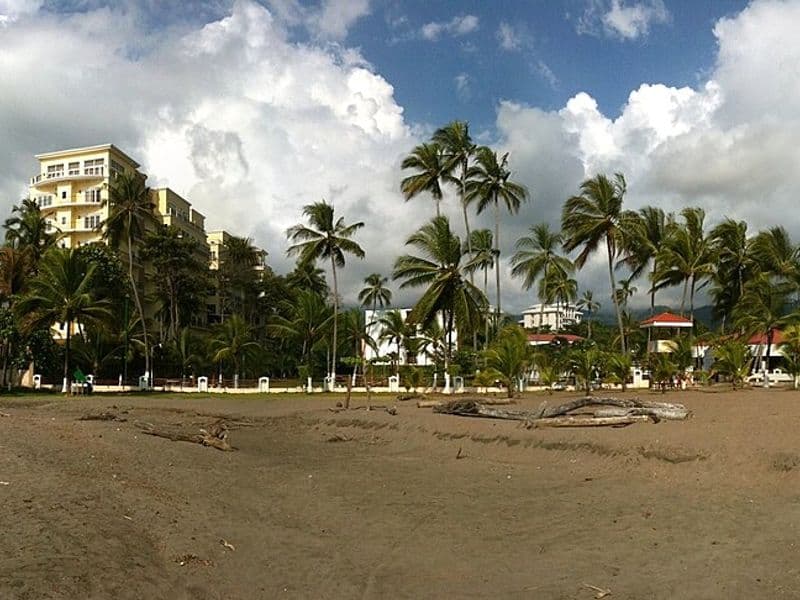
Surfing is central to Jacó's identity. Playa Jacó itself receives consistent beach-break waves that are best suited to beginner and intermediate surfers, particularly during the rainy season months of May through October when Pacific swells are strongest. The wave breaks close to shore, making it forgiving for learners but less appealing to experienced surfers seeking hollow barrels.
Numerous surf schools operate along the beach and in town, offering lessons for first-timers at approximately $50–$80 per 2-hour session including board rental. Multi-day surf camps that include accommodation, meals, and daily instruction are popular and widely available. Board rental shops dot the main street, with soft-top foam boards available for $10–$20 per day.
More experienced surfers typically head 8 kilometers south to Playa Hermosa, a world-renowned beach-break surf spot that hosted the World Surf League Championship Tour for several years. The waves there are heavier and more powerful, breaking over sand in a way that produces fast, hollow rides best suited to intermediate and advanced surfers.
Playa Hermosa Surf Competition History
Playa Hermosa (not to be confused with the beach of the same name in Guanacaste) has hosted international surf competitions and is recognized as one of Central America's premier surf breaks. The beach receives direct southern swell exposure, producing powerful, consistent waves that can reach 2–3 meters during peak swell events. The surrounding area is quieter and less developed than Jacó itself.
Beaches Near Jacó
Playa Jacó itself is the town's main beach — wide, long, and easily accessible. The dark volcanic sand absorbs heat, so beach shoes are useful during midday. The beach is generally safe for swimming in calmer conditions, but strong rip currents can develop, particularly near river mouths, and lifeguards are not consistently present. Always swim with caution and ask locals about current conditions.
Playa Herradura, approximately 7 kilometers north of Jacó, is a calmer, more sheltered bay popular with families. The Los Sueños Marriott resort and its marina are located here, and the protected waters are more suitable for children and less confident swimmers. The beach is also the base for sport fishing charters targeting marlin, sailfish, tuna, and roosterfish.
Playa Esterillos
Playa Esterillos, about 20 kilometers south of Jacó, is a quieter alternative for those seeking space and tranquility. The beach is divided into three sections (Esterillos Este, Centro, and Oeste) and sees far fewer visitors than Jacó. Small boutique hotels and vacation rentals cater to travelers willing to sacrifice convenience for a more peaceful setting.
Activities and Day Trips
Jacó's central location makes it an ideal base for exploring the Central Pacific region. Carara National Park, located roughly 20 kilometers north of town, protects a transition zone between dry and wet forests and is one of the best places in the country to see scarlet macaws. The park's trail system is accessible without a guide, though rangers and naturalist guides enhance the experience considerably.
The Tárcoles River, which forms the northern boundary of Carara park, is famous for its enormous American crocodile population. Boat tours depart from the bridge over the river, where dozens of crocodiles can often be seen basking on the riverbanks. Crocodile sightings from the bridge itself (free) are a popular roadside attraction.
Sport fishing, ATV tours, canopy zip-lines, white-water rafting on the Río Savegre, kayaking in mangrove estuaries, and horseback riding are all available within easy reach of Jacó. A day trip to Isla Tortuga, a picturesque island in the Gulf of Nicoya, is popular and can be arranged through local tour operators.
Carara National Park
Carara National Park is one of the most accessible national parks in Costa Rica and one of the last refuges of the scarlet macaw on the Pacific coast. The park's 5,242 hectares protect primary and secondary forest in a biological corridor connecting dry and humid tropical ecosystems. Dawn visits offer the best chance of seeing macaws flying in pairs to their roosting sites.
Restaurants, Nightlife, and Accommodation
Jacó's restaurant scene is diverse and well-developed. Long-standing favorites include El Hicaco for seafood, Lemon Zest for creative international cuisine, and numerous soda-style local restaurants serving the classic casado (rice, beans, meat, salad) for under $8. The town also has a Subway, Pizza Hut, and other chains for those seeking the familiar.
Nightlife in Jacó is the most developed of any beach town in Costa Rica. Bars with live music, open-air clubs, and beach bars operate late into the night, particularly on weekends and during dry-season high season. The town's party reputation attracts a bachelor-party and spring-break crowd from North America and Europe. Travelers seeking a quiet, family-oriented atmosphere may prefer nearby Herradura or Esterillos.
Accommodation ranges from budget hostels at $15–$30 per night to mid-range hotels at $80–$150 and a handful of luxury properties. The Los Sueños Marriott at Playa Herradura is the area's flagship luxury resort, offering a golf course, full-service marina, casino, and multiple restaurants.
Casino and Entertainment
Jacó has several casinos, including the notable Croc's Casino Resort on the main street. Casinos are legal in Costa Rica and attract both tourists and local residents. The casino culture is an established part of Jacó's entertainment scene, open late into the night alongside the town's many bars and clubs.
Frequently Asked Questions
Is Jacó good for beginner surfers?
Yes, Jacó is one of the best places in Costa Rica for beginner surfers. Playa Jacó has consistent, mellow beach-break waves, and the town has dozens of surf schools offering lessons. The warm water and forgiving wave conditions make it ideal for learning. More advanced surfers should head 8 km south to Playa Hermosa.
Is Jacó safe for tourists?
Jacó is generally safe for tourists who exercise standard precautions. Like any tourist-heavy beach town, petty theft can occur. Avoid leaving valuables on the beach or in vehicles, be cautious in less-lit areas at night, and stay aware of your surroundings. The town's police presence has increased in recent years, and most visitors have trouble-free experiences.
How far is Jacó from Manuel Antonio?
Manuel Antonio National Park is approximately 70 kilometers south of Jacó along the Costanera highway, a drive of about 1.5 hours. Many travelers combine both destinations in a single Central Pacific itinerary, spending 2–3 nights in each location.
Can I day-trip to Jacó from San José?
Yes, Jacó is close enough for a day trip from San José, though most visitors stay at least one night to enjoy the beach and surf at leisure. The 1.5–2 hour drive makes it the most common weekend getaway from the capital. Public buses make day-tripping without a car entirely feasible.
What is the water temperature in Jacó?
The Pacific Ocean water temperature near Jacó typically ranges from 27–30°C (81–86°F) year-round, making it warm and comfortable for swimming and surfing without a wetsuit. Slightly cooler water temperatures may occur during upwelling events between January and March.