
Jacó Costa Rica Weather: Year-Round Climate Guide
Jacó is a lively beach town on Costa Rica's Central Pacific coast, about 90 minutes from San José. Located at sea level in a tropical wet climate, Jacó is warm and humid year-round with average temperatures of 82–90°F (28–32°C). Unlike Guanacaste to the north, Jacó receives significant rainfall even during the dry season and stays lush and green throughout the year—making it a popular destination in any month.
Jacó Climate Overview
Jacó sits on Costa Rica's Central Pacific coast in a zone that receives substantially more rainfall than Guanacaste but less than the Southern Pacific near the Osa Peninsula. Annual rainfall in Jacó averages 100–130 inches (2,540–3,300 mm), distributed across most months of the year. Even during the dry season (December–April), Jacó receives measurable rainfall—typically 1–4 inches per month—unlike Guanacaste which can go weeks without a drop.
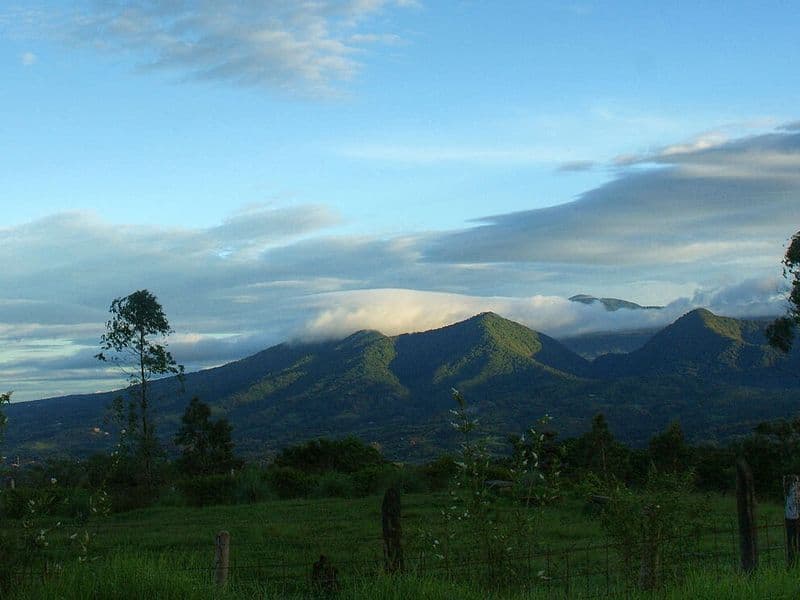
This continuous moisture means Jacó is verdant and green year-round. The surrounding mountains and nearby Carara National Park maintain lush tropical forest regardless of season. This makes Jacó weather somewhat different from what travelers expect if they're used to other tropical destinations with sharply defined dry seasons.
Temperatures in Jacó are consistently warm throughout the year. Daytime highs range from 84–90°F (29–32°C) depending on the month, with slightly lower temperatures during the rainy season due to cloud cover and rain. Overnight lows range from 73–77°F (23–25°C). The humidity is high year-round—typically 75–85%—making Jacó feel warm and tropical in every season.
Proximity to San José
Jacó is one of the most accessible beach destinations from San José—approximately 90 minutes via the Costanera Sur highway. This proximity makes it a popular weekend destination for San José residents and a convenient first or last beach stop for international travelers. The ease of access means Jacó fills up quickly on holiday weekends year-round, regardless of season. Weekday visits (Monday through Thursday) are notably quieter and less expensive than weekends.
Dry Season in Jacó
Jacó's dry season (December through April) brings the most consistently sunny weather of the year, but it's a relative term. Unlike Guanacaste where 'dry season' means almost no rain, Jacó in January might still receive 2–3 inches of rainfall—typically as brief afternoon showers rather than sustained rain. Mornings are almost always sunny and clear, and full dry days are common, particularly January through March.
January and February are Jacó's driest months, averaging 1–2 inches (25–51 mm) per month. This is the optimal beach season, with reliable morning sunshine, warm calm morning seas, and the best snorkeling visibility of the year. The surf at Jacó Beach itself is not ideal for swimming—rip currents are present year-round—but Playa Herradura just north and Playa Hermosa just south offer better swimming and world-class surfing respectively.
March and April see temperatures at their highest (88–92°F/31–33°C) and rainfall beginning to increase slightly toward the rainy season. The landscape around Jacó remains green due to rainfall from surrounding mountains feeding the rivers, making dry-season Jacó look greener than Guanacaste during the same period.
Carara National Park in Dry Season
Carara National Park, located 15 minutes north of Jacó, is exceptional in the dry season. This is one of the best places in Costa Rica to observe scarlet macaws, particularly December through April when the birds are nesting. The park's location at the transition zone between the dry forest of Guanacaste and the wet forest of the Central Pacific creates extraordinary biodiversity. The Río Tárcoles (also near Jacó) hosts one of the world's highest concentrations of American crocodiles, easily seen from the bridge on the Costanera highway.
Rainy Season in Jacó
The rainy season in Jacó runs from approximately May through November, with rainfall peaking in September and October. May begins with increasing afternoon rains, gradually shifting to the classic tropical pattern of sunny mornings and afternoon thunderstorms. By July and August, significant rainy periods occur most days, though mornings remain largely clear.
September and October are the wettest months in Jacó. Monthly rainfall can reach 20–25 inches (508–635 mm) during these months. Multi-day rain events occasionally occur, and flooding in low-lying areas of town is possible after very heavy rainfall. The surf is at its most powerful in September–October due to strong south swells.
Despite the rains, Jacó remains functional and enjoyable during the rainy season. The town's bars, restaurants, and nightlife operate year-round. Surf conditions actually improve significantly during the rainy season, making Jacó more attractive to serious surfers in July through October than in the dry season. Hotel prices drop 25–40% from their dry season peaks.
Rainy Season Mornings
A consistent pattern during Jacó's rainy season: morning fog or mist clears by 7–8 AM. From 8 AM to noon, skies are sunny and conditions are often excellent for beach activities. Clouds build through the late morning. By 1–4 PM, thunderstorms typically arrive with heavy rain and lightning. By 5–6 PM, the rain often clears, leaving a cool fresh evening ideal for sunset watching and outdoor dining. This predictable pattern allows for excellent rainy season mornings at Jacó's beaches.
Monthly Temperature and Rainfall Data
January: High 88°F (31°C), Low 73°F (23°C), Rainfall 1.5 in (38 mm). Driest month. Best beach conditions.
February: High 88°F (31°C), Low 73°F (23°C), Rainfall 1.2 in (30 mm). Similar to January. Excellent weather.
March: High 90°F (32°C), Low 74°F (23°C), Rainfall 1.8 in (46 mm). Hottest, sunniest month. Spring break crowds.
April: High 90°F (32°C), Low 74°F (23°C), Rainfall 4.5 in (114 mm). First rains arriving. Still mostly sunny mornings.
May: High 87°F (31°C), Low 74°F (23°C), Rainfall 14.5 in (368 mm). Full rainy season. Big transition month.
June: High 85°F (29°C), Low 73°F (23°C), Rainfall 16.2 in (411 mm). Heavy afternoon rains. Mornings usually clear.
July: High 84°F (29°C), Low 73°F (23°C), Rainfall 14.5 in (368 mm). Good surf. Mornings sunny. Waterfalls spectacular.
August: High 84°F (29°C), Low 73°F (23°C), Rainfall 16.4 in (417 mm). Consistent rainy pattern. Great for surfers.
September: High 83°F (28°C), Low 73°F (23°C), Rainfall 22.5 in (572 mm). Wettest month. Powerful surf. Cheapest prices.
October: High 83°F (28°C), Low 73°F (23°C), Rainfall 21.8 in (554 mm). Very wet. Heavy surf. Off-season bargains.
November: High 84°F (29°C), Low 73°F (23°C), Rainfall 14.2 in (361 mm). Rains tapering. Conditions improving.
December: High 86°F (30°C), Low 73°F (23°C), Rainfall 4.5 in (114 mm). Dry season returning. Good conditions by mid-month.
Annual Weather Summary
Jacó receives approximately 130 inches (3,300 mm) of annual rainfall—distributed across all 12 months but heavily concentrated in May–November. The average annual temperature is around 85°F (29°C), with only a 7°F (4°C) difference between the hottest and coolest months. Jacó is one of the more consistently warm and wet beach destinations on the Pacific coast, with the green landscape and reliable surf that characteristic provides.
Surf Conditions by Season
Jacó and its neighboring Playa Hermosa are significant surf destinations on the Pacific coast. Conditions vary by season, but surf is present year-round at both locations.
Dry season (December–April): North swells can produce good waves at some beach breaks, but this is generally the lower-energy surf season at Jacó. Playa Hermosa receives consistent beach break year-round. The winds in the dry season are more consistent and can affect wave quality with onshore wind effects by afternoon.
Rainy season (May–November): The Pacific south swell season ramps up in May and reaches peak intensity in July–October. These south swells deliver the best and most powerful waves of the year to Jacó's beaches and Playa Hermosa. Playa Hermosa is a renowned Costa Rican surf competition venue and frequently hosts professional events during this peak season. The annual Surf City Jacó competitions are typically held during this rainy season swell period.
Surf Lessons and Beginner Surfing
Jacó's beach—despite the rip current hazard for swimming—is actually suitable for beginner surfing in the dry season when waves are smaller and more manageable. Numerous surf schools in Jacó offer lessons year-round. The gentler dry-season conditions (December–April) are ideal for beginners learning to stand up on smaller, softer waves. Rainy-season surf at Jacó and especially Hermosa is for experienced surfers only due to the powerful, fast-breaking beach break waves.
Best Time to Visit Jacó
For beach vacations and general tourism: January through March offers the most reliable sunshine and lowest rainfall. These dry season months give Jacó its best beach conditions for swimming (at Herradura and protected areas), snorkeling (at nearby sites), and general outdoor activities. This is also peak season with higher prices and more tourists, particularly on weekends.
For surfing: July through October delivers the strongest south swells and best conditions for intermediate to advanced surfers. Playa Hermosa is at its most dynamic during this period. The rainy season's 25–40% price discounts and smaller crowds make this an excellent time for dedicated surf trips.
For value travel: May, June, and November offer a good balance—prices 20–30% below peak, manageable rainy season conditions (not the heaviest months), and access to all of Jacó's restaurants, bars, and activities at full operation.
Jacó vs. Guanacaste
Jacó and Guanacaste serve different travel preferences. Guanacaste offers the longest dry season and the driest beach conditions, with golden sandy beaches like Conchal and Flamingo. Jacó offers easier access from San José (90 min vs. 4+ hours to most Guanacaste beaches), a more lively town atmosphere with bars and nightlife, better surf (especially in rainy season), and year-round green surroundings. Guanacaste wins for guaranteed sun; Jacó wins for accessibility and surf.
What to Pack for Jacó
Year-round essentials for Jacó: strong sunscreen (SPF 50+), swimwear, quick-dry clothing, sandals and closed-toe walking shoes, insect repellent, and a hat. The heat and humidity at Jacó's sea level location make lightweight, breathable fabrics essential—cotton feels stifling in Jacó's humidity; synthetic moisture-wicking fabrics are far more comfortable.
For rainy season visits (May–November): add a lightweight waterproof rain jacket or poncho (compact enough to fit in a daypack), waterproof sandals, and a dry bag for electronics during beach and boat activities. The afternoon rains at Jacó are often heavy enough that an umbrella won't cut it—a proper rain jacket is more effective.
Safety at Jacó Beach
Jacó Beach itself has dangerous rip currents year-round and is not recommended for swimming. The town's beach is popular for walking, beach bars, and surfing but most locals and informed visitors swim at Playa Herradura (calm and protected, 15 minutes north) or in hotel pools. If you do enter the water at Jacó Beach, never swim alone, stay in front of the populated area, and know how to exit a rip current (swim parallel to shore, not against the current). Many Jacó beach drowning incidents involve tourists who didn't know about the strong currents.
Frequently Asked Questions
What is the weather like in Jacó, Costa Rica?
Jacó is warm and humid year-round with daytime temperatures of 83–90°F (28–32°C). It receives rainfall in every month—even the dry season (December–April) brings 1–4 inches per month. The rainy season (May–November) brings heavy afternoon rains with September and October being the wettest months at 20–22 inches each.
When is the best time to visit Jacó?
January through March offers the best beach weather in Jacó—lowest rainfall, most sunshine, warm temperatures. For surfing, July through October delivers the strongest south swells. For value travel, May, June, and November offer lower prices with manageable rainy season conditions. Jacó is accessible and enjoyable year-round.
Does Jacó have a dry season?
Yes, Jacó has a relative dry season from December through April, but it's less dramatic than Guanacaste's dry season. Even in the driest months (January and February), Jacó receives 1–2 inches of rain. Unlike Guanacaste, which can go weeks with zero rain, Jacó always receives some moisture from the surrounding mountains.
Is the surf good in Jacó?
Yes, Jacó and nearby Playa Hermosa are well-known surf destinations. The best surf is from July through October when south swells deliver powerful waves. Playa Hermosa hosts professional surf competitions. Jacó's beach itself has beginner-friendly small waves in the dry season. Rip currents make Jacó beach unsafe for casual swimming; use Playa Herradura for swimming.
Is Jacó safe to swim?
Jacó Beach is not recommended for swimming due to dangerous rip currents present year-round. Experienced swimmers and surfers enter the water at Jacó, but casual swimmers should use Playa Herradura (15 minutes north, calm and protected) or hotel pools. Many Jacó hotels have pools for this reason. Playa Herradura is calm, scenic, and safe for swimming year-round.