
La Capital de Costa Rica: Guía Completa de San José
San José es la capital de Costa Rica y el corazón político, económico y cultural del país. Ubicada en el Valle Central a 1,150 metros sobre el nivel del mar, la ciudad alberga más de 340,000 habitantes en su canton central y más de 2 millones en el área metropolitana. San José ofrece museos de clase mundial, mercados coloridos, una escena gastronómica vibrante y barrios históricos que revelan la historia de esta nación centroamericana. Más que una simple escala, San José es un destino que merece explorarse con calma y curiosidad.
San José: La Capital de Costa Rica
San José (formally San José del Valle de la Paz de Abra) became the capital of Costa Rica in 1823, replacing Cartago which had served as the colonial capital under Spanish rule. The city sits at an elevation of approximately 1,150 meters (3,773 feet) in the Central Valley (Valle Central), surrounded by active and dormant volcanoes including Poás, Irazú, Barva, and Turrialba. This highland position gives San José a remarkably temperate climate — typically 18–26°C (64–79°F) year-round — earning it the informal designation of the 'city of eternal spring.'
The San José metropolitan area, which encompasses the adjacent cantons of Alajuela, Heredia, Desamparados, Goicoechea, and others, is home to more than 2 million people — roughly half of Costa Rica's total population. The city functions as the country's primary hub for commerce, government, healthcare, education, and international air travel. Juan Santamaría International Airport (SJO), located 16 kilometers northwest of downtown San José in the canton of Alajuela, is the primary gateway for international visitors and the busiest airport in Central America.
San José's nickname, 'Chepe' (the informal diminutive of José), reflects the warmth and informality that characterize Josefino (San José resident) culture. The city has undergone significant transformation over the past two decades, with urban renewal projects in historic neighborhoods, expansion of cultural institutions, and a growing restaurant and arts scene that has surprised visitors accustomed to treating San José as a mere transit hub on the way to beaches and rainforests.
San José vs. Greater Metropolitan Area
The canton of San José — the city proper — has a population of approximately 340,000. However, the Greater Metropolitan Area (Gran Área Metropolitana or GAM) encompasses 31 cantons across four provinces and holds over 2 million residents. Urban sprawl has effectively merged San José with adjacent Alajuela, Heredia, and Cartago into a continuous metropolitan zone. Traffic congestion within the GAM is a significant quality-of-life challenge, particularly during morning and evening rush hours.
Historia y Desarrollo de San José
San José was founded in 1736 as a small agricultural settlement in the fertile Central Valley. During the Spanish colonial period, Cartago — located about 20 kilometers to the east — served as the seat of government for the Province of Costa Rica. San José grew rapidly during the coffee boom of the early 19th century, as its central location made it a natural trading hub for the Central Valley's expanding coffee-growing region. In 1823, San José replaced Cartago as the capital following an internal political dispute that briefly turned violent (the Battle of Ochomogo).
The coffee economy transformed San José dramatically during the 19th century. Coffee export revenues funded the construction of public buildings, the Teatro Nacional (National Theater, opened 1897), the first railway connecting San José to the Caribbean port of Limón, public parks, and European-style architecture that still characterizes the historic city center. The Teatro Nacional — built by a levy on coffee exports — remains one of Costa Rica's most celebrated architectural achievements and a symbol of the ambitions of 19th-century Josefino elites.
The 20th century brought industrialization, urban migration from rural areas, and the expansion of public services following the 1949 constitution. San José grew rapidly as the administrative center of Costa Rica's expanding welfare state, housing government ministries, universities, the judicial system, and the national hospital network. The city center (casco histórico) declined in residential use as wealthier residents moved to western suburbs like Escazú, Rohrmoser, and Santa Ana, while downtown became predominantly commercial and institutional.
El Casco Histórico
San José's historic center — encompassing the areas around the Parque Central, Parque España, the Mercado Central, and Barrio Amón — retains significant 19th and early 20th century architecture. Preservation efforts have improved in recent decades, with renovated buildings in Barrio Amón, Barrio Otoya, and Barrio Aranjuez demonstrating the historic city's architectural heritage. Walking tours of the casco histórico offer the most immersive introduction to San José's urban history.
Principales Atracciones y Museos
The National Museum of Costa Rica (Museo Nacional) is one of the most important museums in Central America, housed in the former Bellavista Fortress — its bullet-scarred walls visible reminders of the 1948 civil war. The museum's collection spans pre-Columbian artifacts including intricately carved stone spheres from the Diquís culture (a UNESCO World Heritage Site element), colonial-era exhibits, natural history, and contemporary Costa Rican life. The courtyard's butterfly garden adds a living natural history element to the visit.
The Pre-Columbian Gold Museum (Museo del Oro Precolombino) beneath the Plaza de la Cultura is operated by the Banco Central de Costa Rica and houses one of Latin America's most significant gold artifact collections — over 1,600 pieces including ceremonial figures, pendants, and ornaments spanning cultures from across pre-Columbian Costa Rica. The Jade Museum (Museo del Jade), located in the INS building, displays the world's largest collection of American jade, including figurines, axe gods (hachas de jade), and ceremonial objects that reveal the sophistication of Costa Rica's pre-Columbian societies.
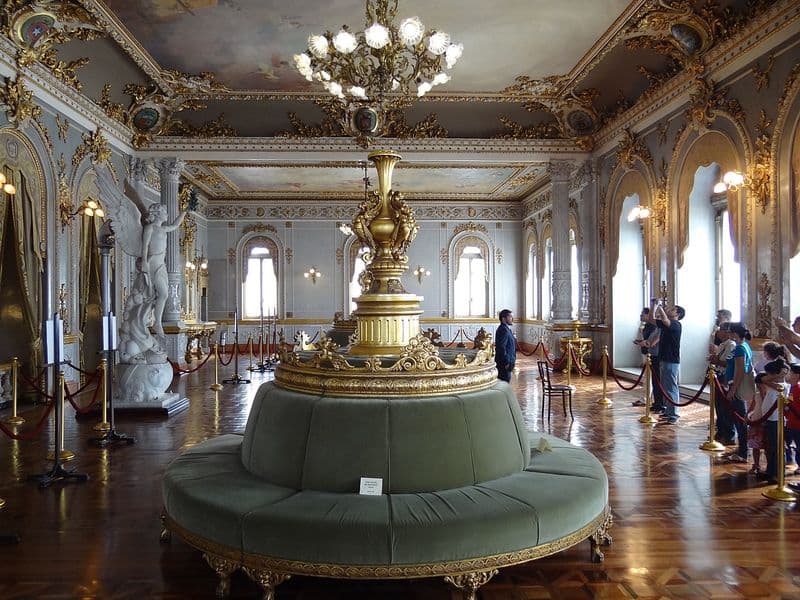
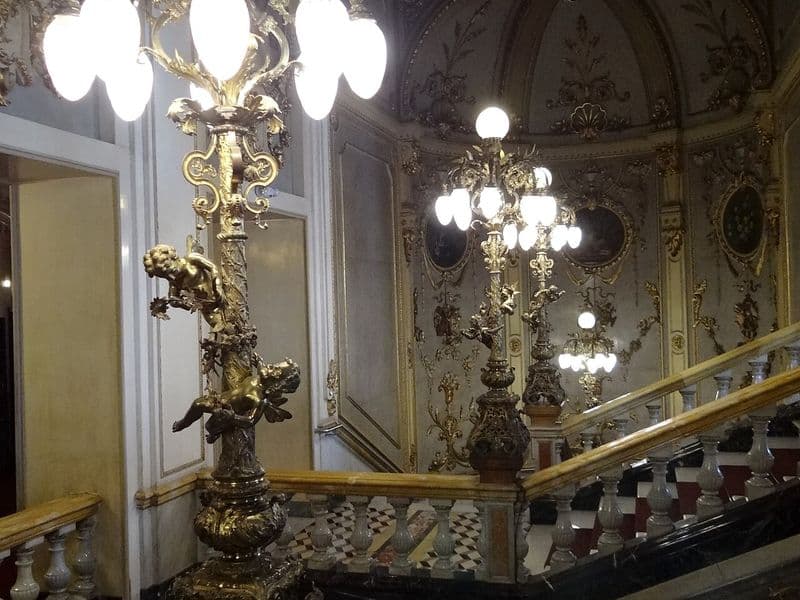
The Teatro Nacional (National Theater) on the Plaza de la Cultura is an architectural masterpiece built in the Italian Renaissance style and completed in 1897. Its ornate interior — featuring marble staircases, gilded decorations, and painted ceiling murals — can be visited on self-guided or guided tours during daylight hours when no performance is scheduled. Attending an evening performance of classical music, opera, ballet, or theatrical production at the Teatro Nacional is one of San José's finest cultural experiences.
Parks and Public Spaces
San José's downtown features several parks that serve as gathering places and green lungs within the urban fabric. Parque Central, adjacent to the Metropolitan Cathedral, hosts musicians, chess players, and people-watching. Parque España, shaded by large mango trees, is a popular lunch destination. Parque Morazán with its iron-domed Temple of Music is a photographic landmark. Parque La Sabana, a large urban park at the western end of Paseo Colón, features the Costa Rican Art Museum (Museo de Arte Costarricense), jogging paths, sports fields, and an artificial lake.
Barrios y Vecindarios de San José
Barrio Amón is San José's most architecturally preserved and culturally active neighborhood, a 15-minute walk northeast of the downtown core. Its Victorian, Art Nouveau, and Neoclassical mansions — many converted into boutique hotels, restaurants, galleries, and creative offices — create a walkable heritage precinct unlike anywhere else in the city. The neighborhood has become a focal point for San José's emerging arts scene, with contemporary galleries, artisan coffee shops, and cultural venues embedded in historic structures.
Escazú is San José's most affluent suburb and the primary hub for the expatriate community and multinational business sector. Located 8 kilometers west of downtown, Escazú features high-end restaurants, international shopping malls (Multiplaza Escazú), luxury apartment buildings, international schools, and a concentration of medical clinics that anchor the country's medical tourism sector. The CIMA Hospital in Escazú is one of Costa Rica's premier private medical facilities. Real estate prices in Escazú are among the highest in Central America.
La California and Barrio Escalante, just east of downtown, have emerged as San José's gastronomic and nightlife centers over the past decade. Calle 33 in Barrio Escalante — nicknamed 'Paseo Gastronómico' by locals — concentrates dozens of restaurants, craft beer bars, wine bars, coffee roasters, and cocktail bars within walking distance. This barrio has transformed dramatically from a quiet residential neighborhood into one of Central America's most vibrant dining districts, attracting both locals and international visitors.
Residential vs. Commercial Zones
San José's urban geography reflects a westward migration of prosperity — wealthy residential areas are concentrated in the western cantons of Escazú, Santa Ana, and Pozos, while the central city is predominantly commercial and institutional. Eastern and southern neighborhoods of San José proper include more mixed-income areas, working-class barrios, and the city's largest informal settlements (precarios). The geographic social stratification is typical of Latin American capitals and influences everything from restaurant locations to real estate pricing.
Gastronomía y Vida Nocturna
San José's food scene has undergone a remarkable transformation over the past decade, moving from a reputation for basic comida típica to a sophisticated, internationally recognized gastronomic destination. Traditional Costa Rican food — gallo pinto, casado, ceviche, arroz con leche, tres leches cake — remains the foundation, accessible at sodas (informal lunch restaurants) throughout the city for $5–$10 per plate. The Mercado Central, a sprawling covered market near the downtown core, is the most authentic experience of traditional San José food culture, with dozens of small counters serving casados, tamales, and tropical fruit drinks.
The evolution of San José's restaurant scene in Barrio Escalante and Barrio Amón has produced a diverse array of high-quality dining options. Costa Rican chefs increasingly apply local ingredients — heart of palm, pejibayes, tropical fruits, locally caught fish — in contemporary Latin cuisine with international techniques. Several San José restaurants have achieved international recognition in Latin America's 50 Best Restaurant lists and from food publications including Condé Nast Traveler and Travel + Leisure, signaling San José's arrival as a serious culinary destination.
Nightlife in San José is concentrated in Barrio Escalante, La California, El Pueblo entertainment complex (north of downtown), and the Zona Rosa in Barrio Yoses. Live music — cumbia, salteña, jazz, and contemporary reggaeton — is a central element of the entertainment scene. The city's craft beer movement has produced notable microbreweries including Costa Rica Craft Brewing and Treintaycinco, whose taprooms have become popular gathering venues. Traditional dance including salsa, merengue, and cumbia can be experienced at dance venues throughout the metropolitan area.
Coffee Culture in San José
Costa Rica produces some of the world's finest specialty coffee, and San José's coffee culture has developed significantly alongside the country's specialty coffee movement. Third-wave coffee shops in Barrio Escalante, Barrio Amón, and Escazú offer single-origin pour-overs, espresso drinks, and cupping experiences using beans from renowned Costa Rican growing regions including Tarrazú, Naranjo, Tres Ríos, and La Amistad. Café Britt's roastery near Heredia offers plantation tours accessible from San José.
Cómo Moverse por San José
San José's downtown is navigable on foot, with most historic sites, museums, and central markets within a 20-minute walking radius of the Parque Central. Street addresses in Costa Rica traditionally follow a grid-based system using cardinal directions from landmarks rather than sequential street numbering, which can initially be disorienting. Modern practice includes street numbers in most maps and GPS navigation, but local directions still frequently reference landmarks ('100 meters north of the ICE building').
Uber operates throughout San José and is the preferred transport option for most visitors — it is safer, more price-transparent, and more convenient than negotiating with traditional taxis (though official red taxis with MARIA meters are legitimate and regulated). The metropolitan bus system (autobuses urbanos) is extensive and inexpensive, connecting all districts and neighboring cantons, but requires local knowledge of route numbers and stops. A metropolitan rail service (tren urbano) operates between some central city stations and suburban cantons, though its coverage is limited compared to the bus network.
Driving in San José requires patience and familiarity with the city's complex, often poorly signed road network. Traffic congestion during rush hours (7–9 AM and 5–7 PM) can turn short distances into hour-long journeys. Most visitors in San José for cultural exploration find it more practical to park their rental car at the hotel and use Uber for city movement. For trips to the airport, SJO is connected to the city by the Route 1 highway, with the journey taking 20 to 60 minutes depending on time of day.
Day Trips from San José
San José's central location in the Valle Central makes it an excellent base for day trips. Poás Volcano National Park is 75 minutes north and offers drive-to-summit crater access (weather permitting). Irazú Volcano, 50 kilometers east, reaches 3,432 meters and on clear days offers views of both oceans. The coffee-producing highlands around Naranjo and Palmares, the colonial city of Cartago with Basílica de Nuestra Señora de los Ángeles, and La Paz Waterfall Gardens near Vara Blanca are all accessible as day excursions from San José.
San José como Base para Explorar Costa Rica
San José functions as the logistical hub of Costa Rica travel, and most international visitors pass through on arrival and departure regardless of their actual destinations. Juan Santamaría International Airport (SJO) handles the majority of international arrivals, and bus terminals, shuttle services, and domestic flight connections depart from San José to all regions of the country. Spending one or two nights in San José at the beginning or end of a trip allows for museum visits, cultural exploration, and logistical organization without rushing.
The city's wide selection of accommodation ranges from budget hostels ($15–$30/night) in neighborhoods near the bus terminals to luxury boutique hotels in Barrio Amón ($150–$350/night) and five-star properties in Escazú. Central location hotels like the Gran Hotel Costa Rica (historic, facing the Plaza de la Cultura) and the Hotel Grano de Oro (renowned boutique hotel in a restored Victorian mansion with a celebrated restaurant) represent the best of historic center accommodation. Escazú hotels offer proximity to the airport and affluent dining district at the cost of requiring transport to downtown attractions.
Tour operators and travel agencies headquartered in San José — including Horizontes Nature Tours, Desafío Adventure (with a San José office), and numerous others — provide the full spectrum of Costa Rica tour bookings, domestic flight tickets, rental car arrangements, and customized itinerary design. Working with a reputable San José-based agency can streamline the planning of complex multi-region itineraries, particularly for first-time visitors unfamiliar with the country's logistics.
Practical Information for San José Visitors
The city center operates with standard business hours (8 AM – 6 PM Monday–Saturday). Banks (bancas) are accessible throughout the city with ATMs dispensing colones and USD. The Hospital CIMA in Escazú and Clínica Bíblica in downtown are the leading private medical facilities. Emergency numbers: police and emergencies dial 911. Tourist police (policía turística) patrol the downtown historic area. Pharmacy chains like Farmacia Fischel operate throughout the metropolitan area.
Frequently Asked Questions
¿Cuál es la capital de Costa Rica?
La capital de Costa Rica es San José, también conocida cariñosamente como 'Chepe.' Ubicada en el Valle Central a 1,150 metros de altitud, San José es el centro político, económico y cultural del país, y alberga el gobierno, los museos más importantes, el aeropuerto internacional Juan Santamaría y la mayoría de los servicios para visitantes internacionales.
What is the capital city of Costa Rica?
The capital of Costa Rica is San José, informally called 'Chepe.' Founded in 1736 and designated capital in 1823, San José is located in the Central Valley at 1,150 meters elevation. It is the country's political, economic, and cultural center, home to the national government, major museums, the principal international airport (SJO), and the vast majority of Costa Rica's urban population.
Is San José worth visiting as a tourist?
Yes — San José rewards visitors who dedicate 1–2 days to its museums, historic neighborhoods, and restaurant scene. The Pre-Columbian Gold Museum, Jade Museum, National Museum, Teatro Nacional, and the markets are world-class cultural experiences. Barrio Amón for architecture, the Mercado Central for traditional food, and Barrio Escalante for contemporary dining are the top visitor priorities.
What is San José, Costa Rica known for?
San José is known as Costa Rica's political and cultural capital, home to the national government institutions, premier museums (Gold Museum, Jade Museum, National Museum), the historic Teatro Nacional theater, the Central Market, and a growing contemporary dining scene centered on Barrio Escalante. It also serves as the main transportation hub for traveling throughout Costa Rica.
How do I get from San José to other parts of Costa Rica?
From San José, travelers connect to other regions via shuttle vans (Interbus, Grayline — $30–$65/person), public buses (very inexpensive, $3–$15), domestic flights from SJO with SANSA and Sky Airline (30–60 minutes to most destinations), and rental cars. For distant destinations like the Osa Peninsula or Caribbean coast, domestic flights are the most time-efficient option.