
La Fortuna Costa Rica: Adventures at the Foot of Arenal Volcano
La Fortuna de San Carlos is Costa Rica's most visited inland tourist destination, a vibrant small town situated at the foot of the iconic Arenal Volcano in the Northern Lowlands. What began as a quiet agricultural community has transformed into a world-class adventure tourism hub offering hot springs, zip-lining, white-water rafting, waterfalls, caving, wildlife watching, and some of the most dramatic volcano scenery in the Americas — all within a short distance of a well-developed town with excellent accommodation and dining options at every price point.
Arenal Volcano: La Fortuna's Famous Backdrop
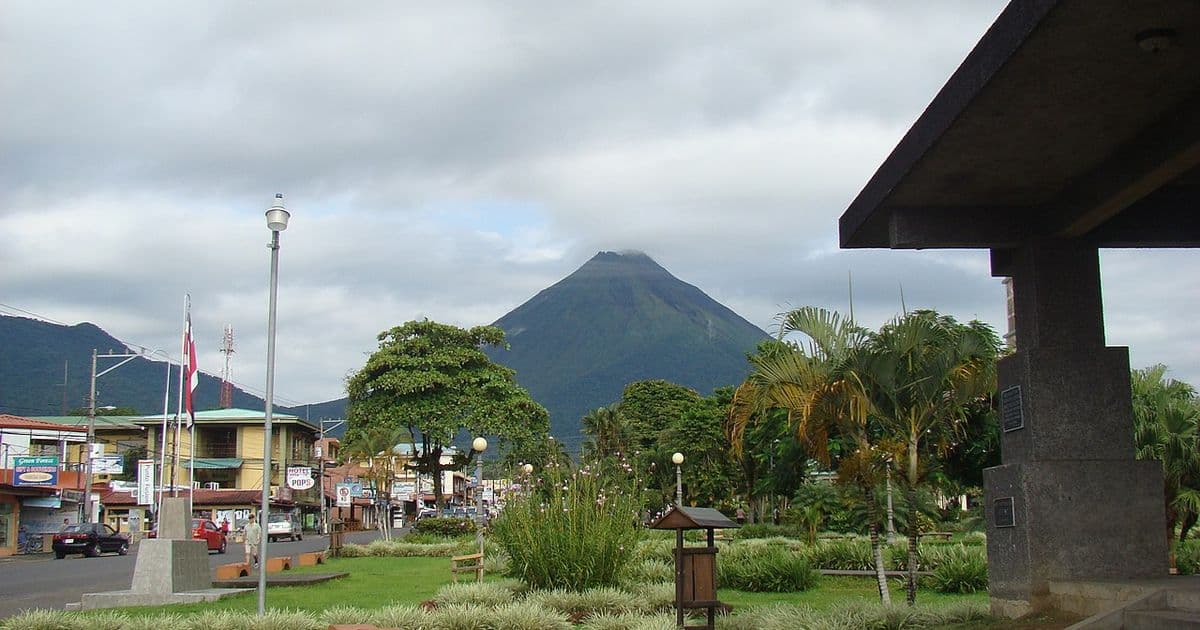
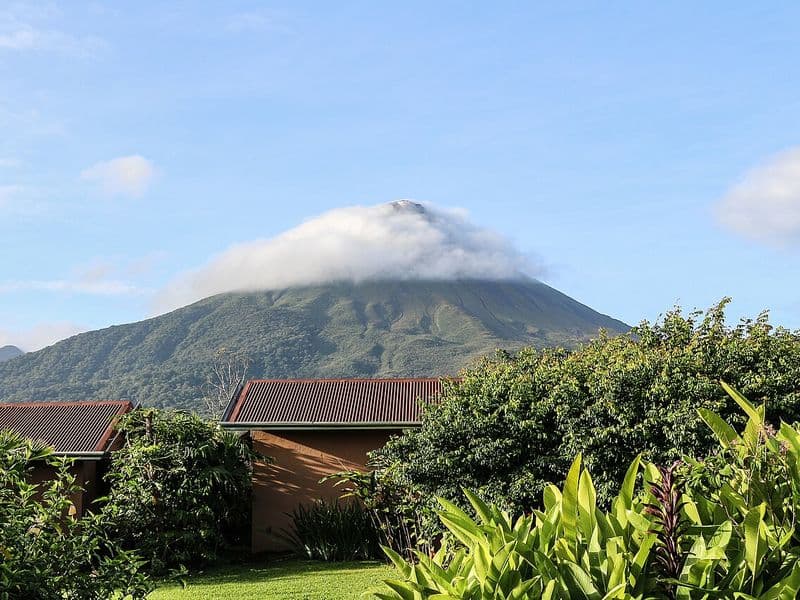
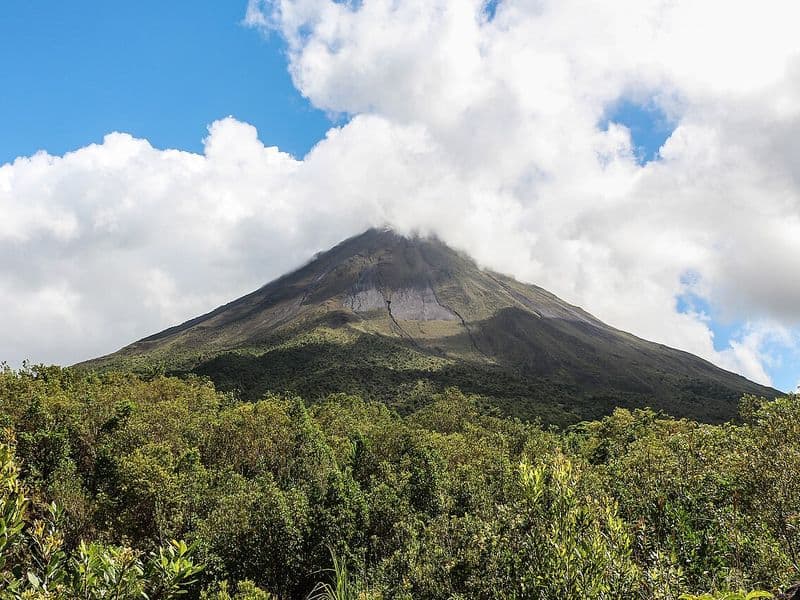
Arenal Volcano (Volcán Arenal) dominates the landscape around La Fortuna with its near-perfect conical silhouette rising to 1,670 meters. For most of the second half of the 20th century, Arenal was considered one of the most active volcanoes in the Americas, regularly producing lava flows, pyroclastic events, and ash eruptions that made for spectacular nighttime viewing from La Fortuna and the surrounding area. The most catastrophic eruption in recent memory occurred on July 29, 1968, when Arenal suddenly reawakened after 400 years of dormancy, destroying the nearby town of Tabacón and killing 87 people.
After decades of near-constant activity, Arenal entered a relatively quiet phase around 2010 that continues to the present. Visible lava flows and spectacular eruptions are no longer regular features, though the volcano is still geologically active, with fumarolic activity, occasional small phreatic events, and persistent geothermal activity throughout the region. Volcanologists consider Arenal still active and capable of renewed activity. The volcano's perfect cone shape remains as dramatic as ever and continues to be one of the most photographed mountains in Central America — when clouds permit its summit to be visible.
Arenal Volcano National Park (Parque Nacional Volcán Arenal) was created in 1991 to protect the volcano and the surrounding rainforest. Two main trails access the park: the Las Coladas trail passing over old lava fields from the 1968 eruption, and the Los Tucanes trail through secondary forest with good wildlife spotting opportunities. Views of the volcano from within the park are excellent on clear days, though the summit is frequently obscured by cloud cover. The park entrance is located about 14 kilometers from La Fortuna town, and the park station near the entrance has exhibits on the volcano's geology and history.
Best Views of Arenal Volcano
Views of Arenal Volcano are best in the early morning, before the cloud cover that typically builds after 9:00–10:00 AM. The clearest views tend to occur during the dry season (December–April), particularly in January and February. From La Fortuna town, the church square offers a classic postcard view of the volcano. The north shore of Lake Arenal provides some of the most dramatic panoramas, with the cone reflected in the water on calm days. Several hotels and restaurants on the road between La Fortuna and El Castillo have built around volcano views as their primary selling point.
Hot Springs: The La Fortuna Signature Experience
The geothermal heat of Arenal Volcano heats underground water throughout the La Fortuna region, producing natural hot springs that are one of the area's most beloved attractions. The experience of soaking in naturally heated mineral-rich water surrounded by rainforest, with Arenal Volcano looming in the background, is genuinely extraordinary and has made La Fortuna synonymous with hot spring tourism in Costa Rica.
The hot spring options range from luxury resort experiences to natural free pools. Tabacón Grand Spa Thermal Resort, built near the site of the town destroyed in the 1968 eruption (the name refers to the tobacco plants grown there by early settlers, not to the disaster), is the most famous and elaborate, featuring extensive pools at varying temperatures, waterfalls, a full-service spa, and a restaurant set in a beautifully landscaped tropical garden. The Baldi Hot Springs resort offers similar amenities at a slightly lower price point with a more water-park-like atmosphere. The Eco Termales resort is smaller and more intimate, limiting visitor numbers for a quieter experience.
At the budget end, the free natural hot springs on the Río Cholín at the base of the Tabacón property (accessible from a pullout on the main road) provide a genuinely natural soaking experience without any facilities. These pools were created by the hot volcanic water mixing with the cool river and are a beloved local secret known to budget travelers. Several hotels near the La Fortuna area also have their own hot spring pools fed by geothermal water, offering their guests private soaking access without the crowds of the major resort facilities.
Choosing a Hot Spring Resort
Selecting the right hot spring experience depends on budget and preferred atmosphere. Tabacón offers the most beautiful setting and the highest quality facilities but is the most expensive (approximately $90–120 USD per person for a day pass including dinner). Baldi is a good mid-range option with many pools and a lively atmosphere. Eco Termales provides the most peaceful, intimate experience by strictly limiting visitor numbers. The free Río Cholín natural springs suit budget travelers and those preferring an unmediated natural experience. Night visits (arriving at 5:00–6:00 PM) at any resort provide the magical experience of soaking under stars with possible volcano glow visible on clear nights.
La Fortuna Waterfall
The Catarata La Fortuna (La Fortuna Waterfall), located about 5 kilometers south of La Fortuna town, is one of the most stunning waterfalls in Costa Rica. The waterfall drops approximately 75 meters into a circular pool surrounded by lush green walls of fern-covered volcanic rock, creating a cool, misty amphitheater that is dramatically beautiful and genuinely refreshing to swim in. The pool at the base is safe for swimming and the cold volcanic water is a wonderful contrast to the heat of the region.
Access to the waterfall is via a private property and trail. Visitors pay an entrance fee (approximately $18 USD as of 2025) to access the trail, which descends steeply (approximately 500 steps) to the base of the waterfall. The descent takes about 20 minutes; the ascent on the return is more strenuous and takes 30–40 minutes. Several viewpoints along the descent offer excellent photography perspectives before reaching the base. Arriving in the morning provides the best lighting for photography — the canyon orientation means afternoon light is less flattering and afternoon heat makes the ascent more demanding.
The area around La Fortuna Waterfall is also excellent for wildlife observation. Toucans, motmots, and other forest birds are regularly seen along the trail. The vegetation around the waterfall is primary rainforest, and the mist zone at the base supports spectacular fern and bromeliad communities. Several tour operators offer guided hikes to the waterfall that combine the visit with a horseback ride through the surrounding countryside. Swimming in the pool requires a life jacket in the deeper sections and should be approached cautiously if unfamiliar with the current patterns.
Horseback Tours to the Waterfall
A popular way to reach the La Fortuna Waterfall is on horseback, with several operators offering guided tours through the surrounding farmland and forest before descending to the waterfall. These tours typically take two to three hours of riding plus time at the waterfall, and provide a comfortable alternative to hiking for those who prefer not to walk the steep trail. The horseback route approaches the waterfall from a different direction than the main tourist trail and provides excellent views of Arenal Volcano across the valley during the ride.
Adventure Activities and Tours
La Fortuna has one of the most comprehensive adventure activity menus in Central America, with dozens of operators offering everything from mild to extreme experiences. White-water rafting is available on two rivers: the Río Toro offers Class III–IV rapids in a beautiful canyon setting, while the Río Sarapiquí (accessed through the northern rainforest) provides a longer, wilder experience. Full-day rafting trips include transportation, professional guides, safety equipment, and lunch. The Río Pacuare, considered one of the world's best white-water rivers, is accessible as a longer day trip.
Zip-lining canopy tours are enormously popular, with several operators including Arenal Mundo Aventura, Sky Adventures Arenal, and Ecoglide offering lengthy zipline circuits through the forest with volcano views. The Sky Tram gondola ride at Sky Adventures provides a more sedate way to access the forest canopy with excellent volcano views and birdwatching opportunities before taking the zip lines back down. Hanging bridges walking tours through the forest canopy are offered at several reserves near La Fortuna, providing a stable platform for birding and wildlife spotting at canopy height.
Caving in the Venado Caverns (Cavernas de Venado), a network of marble limestone caves approximately 30 kilometers from La Fortuna, provides a unique underground experience with stalactites, stalagmites, bats, and underground rivers. Guided cave tours wade through waist-deep water in some sections and require headlamps. Night jungle walks organized by local naturalist guides provide access to nocturnal wildlife including poison dart frogs, sleeping birds, kinkajous, and insects not seen during daylight hours. Kayaking and stand-up paddleboarding on Lake Arenal are popular lower-intensity options.
Lake Arenal
Lake Arenal (Laguna de Arenal) is the largest natural lake in Costa Rica, created by a dam in the 1970s that expanded the original lake dramatically to provide hydroelectric power and irrigation for the Guanacaste dry region. The lake is approximately 85 square kilometers and sits at 546 meters elevation, with Arenal Volcano rising dramatically above its eastern shore. Windsurfing and kiteboarding enthusiasts prize the lake's consistent trade winds, particularly at the windy western end near Tilarán. Fishing for rainbow bass (guapote) and other species is popular. The north shore road provides spectacular volcano-lake panoramas.
Wildlife and Nature Near La Fortuna
The rainforest surrounding La Fortuna and Lake Arenal is extraordinarily biodiverse, hosting representatives of most of Costa Rica's iconic wildlife. The Caño Negro Wildlife Refuge, about 85 kilometers north of La Fortuna via Ciudad Quesada, is one of the best bird watching destinations in Central America. Boat tours through the Caño Negro wetlands encounter jabiru storks (the largest flying bird in the Americas), roseate spoonbills, anhingas, caimans (spectacled caiman), river turtles, and an extraordinary concentration of neotropical water birds.
Within the La Fortuna area, sloths are commonly spotted in the cecropia trees along roads and forest edges, particularly near the town itself. Both two-toed sloths (Choloepus hoffmanni) and three-toed sloths (Bradypus variegatus) occur in the area. Howler monkeys, white-faced capuchins, and spider monkeys inhabit the surrounding forest. The area around Lake Arenal's northern shore has excellent birding for toucans, trogons, and hummingbirds. A wildlife rescue center, Proyecto Asis, in nearby La Tigra, allows visitors to observe and interact with rescued sloths, coatis, and various other animals in a responsible context.
The Mistico Hanging Bridges Park provides excellent wildlife access through a network of suspension bridges and forest trails where skilled naturalist guides can identify birds, reptiles, and mammals. Several private reserves adjacent to Arenal Volcano National Park also offer guided natural history tours. Night tours organized through local guide services provide access to the fascinating nocturnal world of the tropical rainforest, with species including red-eyed tree frogs, tarantulas, kinkajous, porcupines, and various owl species regularly encountered.
Birdwatching at La Fortuna
The La Fortuna and Lake Arenal area is a productive birdwatching destination with over 500 recorded species in the surrounding region. The transition from lowland tropical rainforest to cloud forest at higher elevations around the Monteverde area (accessible via a scenic boat-and-jeep transfer across Lake Arenal) creates diverse habitat types supporting different bird communities. Resplendent quetzals, considered by many the most beautiful bird in the Americas, are found in the cloud forests around Lake Arenal's western end. Local bird guides from La Fortuna offer specialized dawn birding tours reaching particularly productive sites.
Where to Stay and Eat in La Fortuna
La Fortuna town is the most developed tourist hub in inland Costa Rica, with accommodation spanning every budget category from backpacker hostels at $15 per night to luxury rainforest lodges and thermal-spa resorts at $500+ per night. The town center is compact and walkable, with the central square, park, and church (with its famous Arenal Volcano backdrop) surrounded by tour operator offices, restaurants, souvenir shops, and mid-range hotels.
For luxury experiences, the Nayara Springs resort is consistently rated among the best boutique hotels in the Americas, featuring private villa accommodations with individual hot spring plunge pools, exceptional service, and multiple restaurants in a beautifully landscaped rainforest setting with volcano views. The Arenal Observatory Lodge occupies a former Smithsonian Institution research station on the lower slopes of Arenal Volcano itself and offers the closest accommodation to the volcano with outstanding views and nature access. The Tabacón Thermal Resort combines the most famous hot spring facility in the country with elegant bungalow accommodation in a spa-resort format.
La Fortuna town's restaurant scene has grown considerably, with dozens of options ranging from traditional Costa Rican sodas serving gallo pinto and casados to international restaurants offering Italian, Mexican, Asian fusion, and sophisticated Costa Rican cuisine. Don Rufino is the town's most celebrated restaurant, known for quality Costa Rican beef and excellent service. The Kappa Sushi has a devoted following for Japanese food in an unlikely location. For budget eating, the soda strip along the main street offers excellent traditional food at very low prices. Most restaurants are clustered around the central square and on the main road (Avenida 318) within easy walking distance.
The Jeep-Boat-Jeep Transfer
One of the most scenic and practical transportation options in Costa Rica's interior connects La Fortuna and Monteverde via the Jeep-Boat-Jeep shuttle. A 4WD vehicle drives from La Fortuna to the Lake Arenal dock, where a boat crosses the lake (approximately one hour) with dramatic Arenal Volcano views, then another 4WD drives from the opposite shore through the mountains to Monteverde. The total journey takes about three to four hours and avoids the very long road alternative. This shuttle is organized by numerous tour operators in La Fortuna and Monteverde and is the standard recommendation for travelers moving between these two destinations.
Frequently Asked Questions
Is Arenal Volcano still active?
Yes, Arenal is still considered geologically active, though it entered a much quieter phase around 2010 after decades of near-constant eruptions. Visible lava flows and spectacular eruptions visible from La Fortuna are no longer regular occurrences. The volcano shows ongoing fumarolic activity and the surrounding geothermal system remains active (evident in the hot springs throughout the area). Volcanologists monitor it continuously, and renewed eruptions remain possible in the future. The dramatic cone shape and surrounding landscape are unchanged.
What is the best hot spring resort in La Fortuna?
Tabacón Grand Spa Thermal Resort is widely considered the finest hot spring experience in La Fortuna — its elaborate gardens, multiple pools, waterfalls, and riverside setting are exceptional, though it is the most expensive option. For a more intimate experience, Eco Termales limits visitor numbers for a quieter atmosphere. Baldi offers the most pools and most lively atmosphere at a mid-range price. Nayara Springs resort provides the most exclusive experience with private villa plunge pools. Budget travelers can access free natural springs on the Río Cholín near the Tabacón entrance.
How do you get from San José to La Fortuna?
The most common route is by car or shuttle van, taking approximately 2.5–3 hours via Route 141 through Ciudad Quesada (San Carlos). Public buses depart from San José's Terminal 7-10 and take approximately 4–4.5 hours with transfers. A domestic flight from San José (SJO) to the Arenal/La Fortuna airstrip takes approximately 25–30 minutes; Sansa Airlines operates scheduled service. Shared shuttle vans (Gray Line, Interbus) offer door-to-door service in approximately 3 hours and are a popular middle ground between public bus and private car.
How high is the La Fortuna Waterfall drop?
The La Fortuna Waterfall (Catarata La Fortuna) drops approximately 75 meters (246 feet) over a volcanic rock face into a pool at its base. The waterfall is fed by the Río Fortuna and maintains strong flow year-round, though it is most powerful during the rainy season (May–November). Accessing the base requires descending approximately 500 steep steps, taking about 20 minutes down. The pool at the base is safe for swimming and the cold, clear water provides a refreshing contrast to the tropical heat.
What is the Jeep-Boat-Jeep transfer to Monteverde?
The Jeep-Boat-Jeep (also called the Boat-Jeep transfer) is a popular and scenic shuttle service connecting La Fortuna and Monteverde. A 4WD vehicle drives from La Fortuna to the Lake Arenal shore, passengers take a boat across Lake Arenal (about 1 hour with views of Arenal Volcano), then board another 4WD for the drive to Monteverde. Total travel time is approximately 3.5–4 hours — far shorter than the alternative all-road route (5+ hours). The service is operated by multiple tour companies and costs approximately $30–45 USD per person including transportation between accommodations.