

Limón, Costa Rica: The Heart of the Caribbean Coast
Limón, officially Puerto Limón, is Costa Rica's main Caribbean port city and the capital of Limón Province. Located 160 kilometers east of San José on the Caribbean coast, Limón is the gateway to the entire Caribbean region of Costa Rica, including the famous Tortuguero canals, Cahuita National Park, and Puerto Viejo de Talamanca. The city is distinguished by its strong Afro-Caribbean cultural identity, vibrant Carnival celebration, and distinct cuisine shaped by Jamaican and indigenous Bribri heritage.
Overview of Puerto Limón
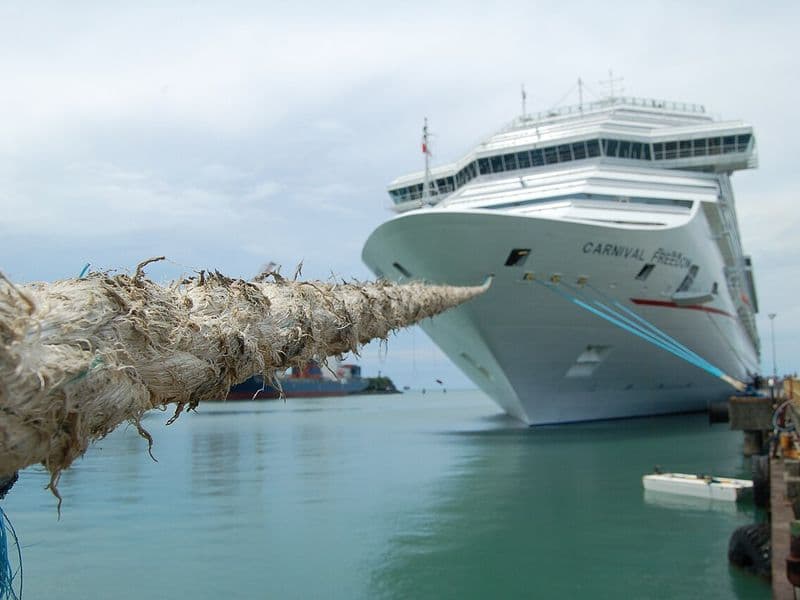
Puerto Limón sits on a small peninsula jutting into the Caribbean Sea, its waterfront dominated by the port terminal that handles the majority of Costa Rica's container shipping and cruise ship arrivals. The city has a population of approximately 60,000 in the urban area and serves as the commercial and administrative center for the entire Limón Province, which spans the full length of Costa Rica's Caribbean coast.
Limón is notably different in character from Costa Rica's Pacific destinations. The city has a rougher, more working-class feel than tourist-oriented towns, and the downtown area shows signs of economic underinvestment relative to the Central Valley. However, this authenticity is part of the city's appeal for travelers interested in genuine local life rather than curated tourist experiences. The waterfront Parque Vargas, with its enormous Banyan trees draped in shade, is a gathering place for residents and an atmospheric spot for visitors.
The city's economy is anchored by the port, which handles banana exports, container shipping, and increasingly, cruise ship tourism. The cruise terminal, separate from the container port, welcomes ships from major Caribbean itineraries. Limón's commercial center provides services for the entire eastern province, including hospitals, government offices, a regional university campus, and markets.
Climate of the Caribbean Coast
Unlike the rest of Costa Rica, the Caribbean coast does not follow the standard dry season/wet season pattern. The region receives rainfall year-round, with two relatively drier periods: September–October and February–March. Annual rainfall can exceed 4,000 mm in some areas. This persistent moisture produces the lush, dense tropical vegetation characteristic of the Caribbean lowlands. Temperatures are warm and humid year-round, typically 25–30°C (77–86°F).
Afro-Caribbean Culture and History
Limón's cultural identity is inseparable from its Afro-Caribbean heritage. The ancestors of most Limón Afro-Costa Ricans were Jamaican workers recruited by entrepreneur Minor Keith in the 1870s and 1880s to build the Atlantic Railway connecting San José to the Caribbean coast. When the railroad project ended and the banana plantations subsequently declined, many workers and their families remained, establishing communities along the coast and maintaining Jamaican cultural traditions.
For decades, Afro-Costa Ricans in Limón faced systemic discrimination. Until 1949, they were legally prohibited from traveling to other parts of Costa Rica without special permits, effectively confining them to the Caribbean lowlands. The 1949 constitution finally granted full citizenship rights to all Costa Ricans regardless of race. Despite this historical marginalization, Limón's Afro-Caribbean community has preserved a rich cultural heritage through music (calypso, reggae, soca), food, language (a distinctive English creole alongside Spanish), and spiritual traditions.
Rastafarian culture is visible in Limón and the Caribbean coast more broadly, reflecting the region's cultural connections to Jamaica. Bob Marley's music is ubiquitous, and Rasta-influenced art, fashion, and philosophy are part of the social fabric. The older generations often speak a Caribbean English creole called Mekaytelyu or Limonese Creole as a first language, switching to Spanish for formal contexts.
The Minor Keith Railroad Legacy
Minor Keith was an American entrepreneur who contracted to build the Atlantic Railway for the Costa Rican government in 1871. The project was extraordinarily difficult — thousands of workers died from tropical diseases — but the railway, completed in 1890, transformed the country's economy by making banana and coffee exports to Europe economically viable. Keith also founded the United Fruit Company (later Chiquita), which dominated Central American agriculture and politics for decades. The railway was eventually closed in 1991 after earthquake damage.
Carnival de Limón
The Carnival de Limón, held annually in the week of October 12th (Columbus Day / Día de la Raza / now officially called Día de las Culturas in Costa Rica), is one of the largest and most vibrant festivals in Central America. The event draws tens of thousands of visitors to Limón from across Costa Rica and internationally. The carnival is a celebration of Afro-Caribbean culture and the diverse heritage of the Limón province.
The centerpiece of the carnival is the colorful parade, featuring elaborate floats, costumed dancers, steel drum bands, calypso ensembles, and community groups representing different cultural traditions. The parade route through the city center is lined with spectators, and the energy is infectious. Stands along the street sell Caribbean food specialties including rice and beans with coconut milk, jerk chicken, patí (spiced meat pastry), and ron-don (a seafood stew).
The week-long festival includes concerts, dance performances, sporting events, and a beauty pageant selecting Miss Carnival. Hotels in Limón book up months in advance for carnival week, and visitors who plan to attend should make arrangements early. The event is entirely outdoors and family-oriented during the day, shifting to adult nightlife in bars and outdoor stages after dark.
Caribbean Food at Carnival
Carnival is the best time to sample the full range of Limón's distinctive cuisine. Rice and beans cooked in coconut milk (distinct from the mainland gallo pinto preparation) is the staple dish. Patí are flaky pastries filled with spiced ground beef or pork, influenced by Jamaican patties. Pan bon is a traditional Caribbean sweet bread flavored with spices and dried fruits. Agua de sapo (toad water), a ginger, lime, and brown sugar drink, is a refreshing local beverage.
Beaches and Natural Attractions
Limón city itself has a small beach, Playa Bonita, located about 4 kilometers north of the city center. The beach has a Caribbean character — dark sand, coconut palms, warm turquoise water — and is a popular weekend destination for Limón residents. Basic food and drink stands operate along the beach, but facilities are limited. The waves can be strong and the beach has limited lifeguard services.
Parque Vargas, the main central park in Limón, is a beautiful tropical green space with massive Banyan (Ficus) trees, flowering plants, and a remarkable concentration of wildlife for an urban park. Sloths are regularly spotted in the park's trees, an unusual wildlife encounter for a city environment. The park's seafront promenade (the Malecón) offers views of the Caribbean and is a pleasant place for an early morning or evening walk.
Isla Uvita
Isla Uvita, a small island visible from Limón's waterfront, is the place where Christopher Columbus anchored during his fourth and final voyage to the Americas in 1502. The island is now uninhabited and accessible by boat from the city. A small memorial commemorates Columbus's arrival. The island's reef provides basic snorkeling opportunities, and the trip offers views back to the mainland coast.
Nearby Destinations from Limón
Limón serves as the transportation hub for the entire Caribbean coast, with paved roads running both north and south from the city. Heading north, the main destination is Tortuguero, a canal-laced national park famous as the most important nesting site for the Atlantic green sea turtle in the Western Hemisphere. Tortuguero is not reachable by road — visitors travel by boat from Moín, a small dock area north of Limón city, or by small plane. The 3-hour boat journey through winding jungle canals is itself a wildlife experience.
Heading south from Limón on Route 36, visitors pass through the small port town of Cahuita, gateway to Cahuita National Park and its protected coral reef, before reaching Puerto Viejo de Talamanca. Puerto Viejo is the Caribbean coast's main tourist hub — a lively town with excellent restaurants, beach bars, surf spots, and proximity to the wildlife corridor of the Gandoca-Manzanillo Wildlife Refuge near the Panamanian border.
Tortuguero National Park
Tortuguero National Park is one of Costa Rica's most unique destinations, a network of natural and man-made canals through lowland rainforest accessible only by boat or small aircraft. The park protects the most important nesting beach for green sea turtles in the Caribbean (nesting season July–October) as well as abundant river wildlife including caimans, river otters, manatees, and four species of monkeys. The village of Tortuguero within the park has lodges ranging from budget to luxury.
Practical Travel Information
Limón is connected to San José by the Braulio Carrillo highway (Route 32), a well-maintained 4-lane road that crosses through Braulio Carrillo National Park, descending from the Central Valley to the Caribbean lowlands. The drive takes approximately 2.5–3 hours under normal conditions. Fog and occasional landslides can affect the mountain section; drive carefully and check road conditions before departure. Public buses from San José's Gran Terminal del Caribe run frequently and are affordable at around $4–$6 each way.
Limón's regional airport (LIO) is a small domestic facility receiving flights from San José, which is useful for reaching Tortuguero by air (via smaller private airstrips). The city has several banks, ATMs, supermarkets, a public market, and the Hospital Tony Facio Castro, which serves the entire Caribbean province.
Most travelers to the Caribbean use Limón primarily as a transit point rather than a destination in itself, moving quickly to Cahuita or Puerto Viejo to the south or taking the boat to Tortuguero. However, carnival week in October transforms Limón into a mandatory destination in its own right. Accommodation in the city is basic and affordable; better lodging options are found in Cahuita and Puerto Viejo.
Safety Considerations
Limón city has historically had higher crime rates than most Costa Rican tourist destinations. Travelers should be particularly cautious downtown, near the bus terminal, and at night. Keep valuables out of sight, avoid walking alone after dark, and stick to well-traveled areas. The city's crime issues reflect broader socioeconomic challenges in the province rather than specific targeting of tourists, but standard precautions are strongly advised.
Frequently Asked Questions
What is Limón, Costa Rica known for?
Limón is Costa Rica's main Caribbean port city, known for its vibrant Afro-Caribbean culture, the annual Carnival de Limón festival in October, and as the gateway to the Caribbean coast's natural attractions including Tortuguero, Cahuita, and Puerto Viejo. The city has a distinctive culture shaped by Jamaican immigrant workers who came in the 19th century to build the Atlantic Railway.
Is it safe to visit Limón?
Limón city requires more caution than typical Costa Rican tourist destinations. Exercise standard urban safety measures: don't display valuables, avoid downtown areas at night, keep bags secured, and be aware of your surroundings near the bus terminal and market areas. Most tourist interactions are trouble-free, but Limón has higher urban crime rates than beach towns further south like Cahuita and Puerto Viejo.
What is the best time to visit Limón?
Carnival week (around October 12) is the most exciting time to visit Limón, though it requires advance booking and larger crowds. For visiting the broader Caribbean region, September–October and February–March are the relatively drier periods on the Caribbean coast. The coast receives rainfall year-round, so no month guarantees completely dry weather.
How do I get to Tortuguero from Limón?
To reach Tortuguero from Limón, take a taxi or bus to the docks at Moín (about 10 km north of central Limón) and board a collective or private boat for the 3-hour journey through the canals to the Tortuguero village. Boats typically depart in the early morning. Many lodges in Tortuguero arrange transportation as part of package bookings. Small planes also connect San José to the Tortuguero airstrip, bypassing Limón entirely.
What language do people speak in Limón?
Spanish is the official language spoken throughout Limón, but many residents — particularly older Afro-Costa Ricans — also speak Limonese Creole (Mekaytelyu), a Caribbean English creole derived from Jamaican patois that developed among the 19th-century railroad workers. English is understood and spoken by some residents, particularly in the tourism industry, making it easier for English-speaking visitors than other parts of Costa Rica.