
Monteverde Costa Rica: The World's Most Famous Cloud Forest
Monteverde is a highland community perched on the continental divide in the Tilarán mountain range, at elevations between 1,200 and 1,800 meters, where Pacific and Caribbean air masses collide to produce the perpetual mist that sustains one of the world's most spectacular cloud forests. The Monteverde Cloud Forest Reserve and the adjacent Santa Elena Cloud Forest Reserve together protect thousands of hectares of primary cloud forest harboring extraordinary biodiversity, including the resplendent quetzal, more than 400 bird species, and thousands of plant species — many found nowhere else on Earth.
The Monteverde Cloud Forest Reserve
The Monteverde Cloud Forest Biological Reserve (Reserva Biológica Bosque Nublado de Monteverde) is a privately administered reserve established in 1972 through the collaboration of the local Quaker community and Costa Rican scientists. The reserve initially covered 328 hectares; through decades of strategic land purchases funded by international conservation organizations and innovative children's fundraising campaigns (including the famous Children's Eternal Rainforest adjacent to the main reserve), it has grown to approximately 10,500 hectares. This is a remarkable conservation success story driven substantially by private citizen action rather than government initiative.
The reserve protects eight ecological zones ranging from lower cloud forest on the Pacific slope to elfin forest — stunted, gnarled, and draped with mosses — at the windswept ridge of the continental divide. The cloud forest's defining characteristic is the persistent mist and cloud that forms when moisture-laden trade winds from the Caribbean strike the mountain ridge and rapidly cool, condensing into fog that blankets the forest for much of the year. This constant moisture supports an extraordinary density of epiphytes — plants that grow on other plants — including bromeliads, orchids (over 500 species in the reserve), ferns, mosses, and liverworts that cover every surface of the forest in thick, spongy layers.
The reserve maintains approximately 13 kilometers of marked trails ranging from short, flat walks to more demanding circuits traversing the continental divide ridge. The Sendero El Chomogo trail to the continental divide ridge provides the most dramatic views and the best chance of encountering rare species at higher elevations. The Sendero El Bosque Eterno passes through mature primary forest in the Children's Eternal Rainforest section. Reserve entry is limited to 250 visitors simultaneously in the primary zone to minimize disturbance; advance reservations are strongly recommended during peak season (December–April).
The Children's Eternal Rainforest
Adjacent to the main Monteverde Cloud Forest Reserve, the Bosque Eterno de los Niños (Children's Eternal Rainforest) is the largest private nature reserve in Costa Rica, covering approximately 22,000 hectares. It was established in 1987 after Swedish schoolchildren began fundraising to purchase and protect cloud forest land following a Monteverde conservationist's classroom presentation. The campaign spread globally, and over the following years, children from 44 countries raised funds to purchase land. Today the reserve is managed by the Monteverde Conservation League and includes the spectacular Bajo del Tigre trail system.
Wildlife: Birds, Mammals, and Beyond
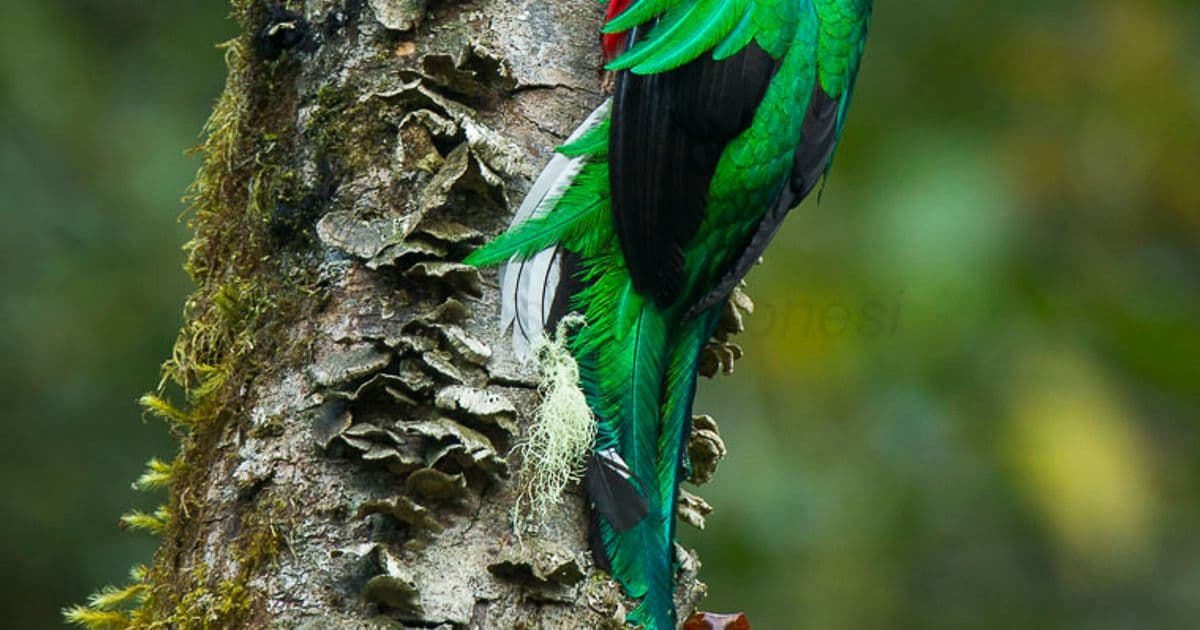
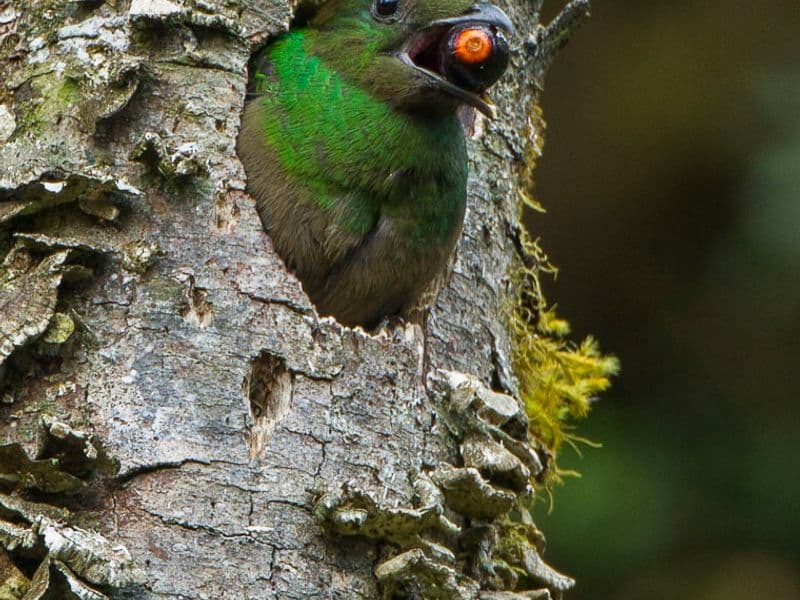
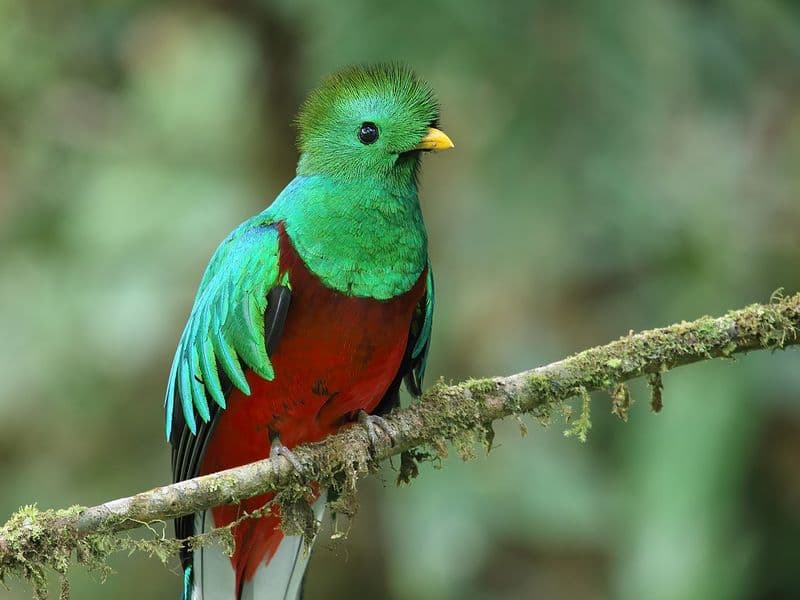
The Monteverde and Santa Elena area is one of the premier wildlife watching destinations in the Americas. The region's combination of protected forest, elevation range, and position on the continental divide creates habitat diversity that supports an extraordinary number of species. Over 400 bird species have been recorded, making the area one of Costa Rica's top birdwatching destinations. The resplendent quetzal (Pharomachrus mocinno) is the most sought-after species, and Monteverde is one of the best places in all of Central America to observe this extraordinary bird.
Quetzals are resident in the Monteverde area year-round but are most reliably observed from February through June during the nesting season, when males develop spectacular tail feathers up to 65 centimeters long and display near fruiting aguacatillo trees. The male quetzal's iridescent emerald green, crimson red, and white plumage, combined with its undulating flight and haunting call, make it one of the most visually stunning birds in the world. Quetzal observation walks guided by experienced local birding guides are one of Monteverde's most popular offerings. Other exceptional birds include three-wattled bellbirds, bare-necked umbrellabirds, emerald toucanets, numerous hummingbird species, and dozens of tanager species.
Mammals in the Monteverde area include jaguars (rare and rarely observed), pumas, ocelots, jaguarundis, Baird's tapirs, white-lipped peccaries, collared peccaries, kinkajous, olingo, northern olingo, Chiriqui hares, sloths, all four monkey species, and the coati. The highland forests support species adapted to cloud forest conditions that don't occur at lower elevations. Amphibians include dozens of frog species, including the golden toad (Incilius periglenes) — famously declared extinct in 1989 after its last confirmed sighting in 1989, one of the first vertebrate extinctions linked to climate change. Remaining amphibian species are monitored carefully as indicators of ecosystem health.
Night Walks and Nocturnal Wildlife
Night walks in the Monteverde cloud forest provide access to a completely different suite of species invisible during daylight hours. Guided night walks through the reserve or private forest areas reveal sleeping birds roosting on branches (including rare species like bare-necked umbrellabirds), hunting tarantulas, kinkajous moving through the canopy, red-eyed tree frogs, olingo (a cat-like mammal related to the raccoon), and extraordinary insects including walking sticks, leaf-cutter ants returning to their nests, and bioluminescent fungi on rotting logs. The Monteverde Cloud Forest Reserve offers organized night walks, as do several private reserves and guide services in the area.
Canopy Tours and Adventure Activities
Monteverde holds a significant place in adventure tourism history as the birthplace of zip-line canopy tours. The Original Canopy Tour, established in 1994 by naturalist Darren Young, pioneered the concept of using zip-lines and tree platforms to move through the forest canopy — an experience that has since been replicated at hundreds of locations worldwide. Today, Monteverde has several competing canopy tour operations offering progressively wilder experiences, and the original concept has been elevated to include Superman-style body harnesses, Tarzan swings, and viewing platforms suspended in the canopy of 600-year-old trees.
Sky Adventures Monteverde offers a comprehensive adventure experience combining the SkyTram (an open gondola ride ascending through the forest canopy for excellent wildlife observation and views) with multiple zip-line circuits for different thrill levels. The Monteverde Extremo Park offers the area's most extreme activities including bungee jumping and a Superman zip-line. El Avario Mundo, Selvatura Park, and several other private reserves offer hanging bridges walks (suspension bridges through the forest canopy at treetop height) as an excellent non-adrenaline alternative for wildlife observation in the canopy zone.
Horseback riding is a traditional activity in Monteverde, with several operators offering rides through the dairy farming areas and forest reserves surrounding the community. The famous Jeep-Boat-Jeep transfer connecting Monteverde with La Fortuna crosses Lake Arenal by boat and provides one of the most scenic journeys in Costa Rica. Guided coffee plantation tours in the Monteverde area explain the specialty coffee production process for which this region is known. The Monteverde Butterfly Garden houses a large walk-through butterfly enclosure with tropical species from Costa Rica and other regions, popular with families.
Hanging Bridges
Hanging bridge (puentes colgantes) walks are one of the most accessible and rewarding ways to experience the Monteverde cloud forest canopy. Suspension bridges ranging from 15 to 50+ meters long span the forest at heights of 20–40 meters above the forest floor, providing stable platforms for wildlife observation and photography at canopy level. Selvatura Park's hanging bridges circuit is among the most extensive, with eight bridges traversing the forest interior. The walks are suitable for most visitors regardless of physical fitness and are excellent for birdwatching, with toucans, trogons, hummingbirds, and bellbirds frequently observed from the bridge platforms.
Santa Elena and the Quaker Community
The Monteverde community has a unique cultural origin quite different from most Costa Rican towns. In 1950, a group of 44 American Quakers from Alabama, seeking to escape the military draft and armed conflict in the United States, relocated to Costa Rica after learning that it had abolished its military in 1948. They settled on the slopes of the Tilarán mountains in what became the Monteverde community, clearing land for dairy farming and establishing a cheese factory (the Monteverde Cheese Factory, still operating) that became the economic foundation of the community.
The Quaker community's values — pacifism, environmental stewardship, and community cooperation — were instrumental in the establishment of the Monteverde Cloud Forest Reserve in 1972 and the broader conservation ethic that has shaped the region's development. The original Quaker settlers and their descendants remain a visible part of the Monteverde community, and their dairy farming tradition continues alongside the tourism industry. The original cheese factory (Productores de Monteverde) welcomes visitors and produces a wide range of artisan dairy products including fresh cheese, aged cheese, butter, and ice cream that have become regional specialties.
Santa Elena is the larger commercial town adjacent to the Monteverde community, serving as the main hub for services, restaurants, tour operators, and accommodation. The two communities are sometimes collectively referred to as "Monteverde" in tourism contexts, though they have distinct characters. Santa Elena has a more commercial atmosphere with a central park, several budget accommodation options, and a wider range of restaurants at different price points. The road between Santa Elena and the cloud forest reserves passes through the original Monteverde Quaker community where the dairy farms, cheese factory, and Friends Meeting House are located.
The Santa Elena Cloud Forest Reserve
The Santa Elena Cloud Forest Reserve is a community-owned and operated reserve of approximately 765 hectares adjacent to the Monteverde reserve, managed by the local high school's governing board. Established in 1992 with support from Prince Charles of England, the reserve is slightly less visited than Monteverde but offers excellent wildlife watching at a lower entry price, with a portion of revenues supporting the Santa Elena school. The forest here receives even more mist and rainfall than Monteverde due to its position on the Caribbean slope, making it exceptionally lush and productive for epiphyte diversity and frog watching.
Food, Chocolate, and Coffee in Monteverde
Monteverde's food culture reflects the diverse origins of its community — the Quaker dairy tradition, Costa Rican agricultural produce, and international influences from decades of international tourism and expat residents. The Monteverde Cheese Factory's artisan dairy products are widely distributed in the area and consumed with pride by locals. The region's dairy farms produce milk that the cheese factory transforms into over two dozen varieties of cheese, including a distinctive Monteverde gouda that has won national recognition.
Chocolate production has become an important cottage industry in Monteverde, with several small-scale cacao operations offering farm-to-bar chocolate tours explaining the entire process from cacao tree cultivation through fermentation, drying, roasting, and grinding to finished chocolate. The Don Juan tour (at Finca Don Juan) combines organic chocolate production with coffee and sugar cane cultivation in a comprehensive agricultural experience. The Monteverde Chocolate Tour at the CAFE restaurant offers a similar experience in a more urban setting. Locally produced dark chocolate with local flavor additions (cinnamon, chili, tropical fruits) is available at several shops and is an excellent souvenir.
Specialty coffee is produced on the slopes below Monteverde, particularly in the Valle Central foothills toward San José. The Café Monteverde cooperative works with regional coffee farms to produce specialty-grade coffee marketed under the Monteverde brand. Several coffee tour operations in the region explain wet-process and honey-process coffee production methods. The restaurant scene in Santa Elena has expanded considerably, with good options ranging from traditional Costa Rican food at local sodas to international cuisine at places like Sofia Restaurant (considered among the best in the region) and Claro Que Sí in the El Bosque lodge.
The Biological Corridor Serpentarium and Frog Pond
Several specialized wildlife exhibit facilities in Santa Elena provide guaranteed close-up encounters with species that might be difficult to observe in the wild. The Ranario (Frog Pond) of Monteverde houses over 25 species of Costa Rican frogs in naturalistic enclosures, including several species of poison dart frog, red-eyed tree frogs, and the hairy red-eyed frog. Day and night visits (included in the ticket price) reveal very different species activity. The Serpentarium de Monteverde displays venomous and non-venomous snake species of Costa Rica in safe viewing conditions. These facilities are particularly valuable for children and families who might not encounter these species on forest hikes.
Getting to Monteverde and Where to Stay
Getting to Monteverde involves a degree of commitment regardless of transport mode. The community sits at 1,200–1,800 meters elevation on roads that are partially unpaved and winding. From San José, the most direct route via Sardinal and the Interamerican Highway to the Monteverde turnoff takes approximately 3–4 hours — the final 30+ kilometer mountain road is unpaved and requires careful driving, though it is passable in a standard 2WD vehicle in dry conditions. A 4WD is recommended during the rainy season. From Liberia and the Northern Pacific, the approach via Tilarán on the northern side of Lake Arenal is fully paved and takes approximately 3–4 hours.
The Jeep-Boat-Jeep transfer from La Fortuna is the most scenic route to Monteverde, crossing Lake Arenal by boat (approximately one hour with views of Arenal Volcano) and taking approximately 3.5–4 hours total. This is the recommended connection for travelers combining La Fortuna and Monteverde. A recently improved southern approach to Monteverde via Esperanza and the paved Monteverde Highway (Route 606) has become popular as a faster, more comfortable alternative to the traditional unpaved northern mountain road, allowing travelers from San José to access Monteverde on entirely paved roads in approximately 3 hours.
Accommodation in Monteverde spans from budget hostels in Santa Elena (around $15–25 per person) to mid-range lodge-style hotels and boutique eco-lodges in the forest. The Monteverde Lodge & Gardens is a long-established, well-regarded lodge with excellent gardens for wildlife observation and comfortable rooms surrounded by private forest. El Silencio del Campo is a charming boutique property with volcano views (on clear days). Camino Verde B&B offers a peaceful setting slightly removed from the tourist corridor. For the most immersive forest experience, several lodges within or adjacent to the reserves (including La Paloma Lodge with direct reserve access) provide the opportunity to step directly into the cloud forest from your room.
The Monteverde Road Question
The state of Monteverde's access roads has been a running concern and ongoing political issue in Costa Rica for decades, as the community has sometimes preferred to limit road quality to control the volume of mass tourism. As of 2025, the southern approach via Route 606 (the Monteverde Highway) provides fully paved access from the Interamerican Highway, making the road question less pressing than in previous years. However, the original northern mountain road from Sardinal remains partially unpaved and provides a more traditional arrival experience. Check current road conditions with your accommodation before arriving, as conditions change with rain and maintenance cycles.
Frequently Asked Questions
When is the best time to see the resplendent quetzal in Monteverde?
The best time to observe quetzals in Monteverde is during the nesting season from February through June, particularly February through April when males are in full breeding plumage with their spectacular long tail feathers. During this period, quetzals are reliably found near fruiting aguacatillo trees in the reserve, and local guides know the current locations of active pairs. Early morning (6:00–9:00 AM) bird walks with an experienced local guide provide the best chance of quetzal sightings. Outside nesting season, quetzals are present but less predictably located.
What is the difference between the Monteverde and Santa Elena reserves?
The Monteverde Cloud Forest Reserve is the larger, more famous, and more visited of the two, with about 13 km of trails and a strict 250-person simultaneous visitor limit. It requires advance reservations during peak season. The Santa Elena Cloud Forest Reserve is smaller, community-owned (managed by the local high school), less visited, slightly cheaper, and receives even more mist due to its position. Both have excellent wildlife, but Santa Elena is a good alternative when Monteverde's slots are fully booked, and its revenues directly support local education.
Is Monteverde worth the difficult journey?
Overwhelmingly yes. Monteverde is one of the most extraordinary nature experiences available in Costa Rica, and the combination of the cloud forest ecosystem, the wildlife density (particularly birds), the canopy tour options, and the unique community culture make it a destination with few equals worldwide. The road access has improved with the fully paved southern approach, and for travelers with limited time, the domestic flight option (to nearby Santa Elena/Monteverde or to San José connecting to the Jeep-Boat-Jeep from La Fortuna) minimizes the travel burden. Allow at least two full days to properly experience what Monteverde offers.
How cold does it get in Monteverde?
Monteverde's cloud forest climate is surprisingly cool for a tropical country. Daytime temperatures typically range from 16°C to 22°C (61°F to 72°F), with evenings and nights dropping to 10°C–14°C (50°F–57°F) during the cooler months (November–February). Pack a light jacket or fleece, a rain jacket, and layers for morning and evening use. The mist creates a damp feeling that makes the cool temperatures feel colder than they actually are. This climate contrast with the hot lowland beaches is one of the aspects that makes a Monteverde–Guanacaste itinerary particularly satisfying.
Can I do Monteverde as a day trip from La Fortuna or San José?
Technically yes from La Fortuna via the Jeep-Boat-Jeep (3.5–4 hours one way), but it makes for an extremely long and tiring day with insufficient time in the reserve. From San José (3–4 hours each way), a day trip is possible but leaves only 2–3 hours in the reserve. Monteverde is best experienced over at least two nights, allowing one full day in the reserves and another for canopy tours, hanging bridges, and exploring the community. The journey to Monteverde is an experience in itself and rewards the investment of dedicated time.