
Montezuma, Costa Rica: Waterfalls, Beaches, and Bohemian Spirit
Montezuma is a small, bohemian beach village on the southern tip of the Nicoya Peninsula, beloved for its dramatic waterfall with swimming pools, white-sand beaches, abundant wildlife, and an artistic community that has attracted free-spirited travelers for decades. Despite its remoteness — the village is reached only by ferry plus a long coastal drive, or by direct ferry from Jacó — Montezuma has maintained a distinct character that sets it apart from more developed Costa Rican beach resorts.
Overview of Montezuma
Montezuma is a tiny village in the municipality of Cobano at the southern tip of the Nicoya Peninsula in Puntarenas Province. The village has a permanent population of only a few hundred residents but receives a steady flow of international travelers drawn to its combination of natural beauty and laid-back, artistic atmosphere. There are no large hotels, chain restaurants, or shopping malls in Montezuma — the experience is intentionally small-scale and community-oriented.
The village sits between a rocky coastline and a jungle-covered hillside, with the Río Montezuma running through the community and tumbling down a series of waterfalls just a short walk upstream. The main street is compact enough to walk end-to-end in minutes, lined with small restaurants, yoga studios, art galleries, surf shops, and tour operators. A weekly artisan market brings local and visiting vendors together on the village square.
Montezuma is part of the Nicoya Peninsula's identity as a Blue Zone — one of five regions worldwide where people statistically live longer, healthier lives. The clean environment, active lifestyle, plant-rich diet, strong community bonds, and lower stress levels characteristic of the Nicoya Peninsula are all evident in Montezuma's relaxed village life. The surrounding area includes the Curu Wildlife Refuge and the celebrated natural reserve of Cabo Blanco at the peninsula's tip.
History and Counterculture Roots
Montezuma developed its bohemian identity beginning in the 1970s and 1980s when it attracted travelers seeking off-grid beach living, far from the developing tourist infrastructure elsewhere in Costa Rica. Artists, musicians, yoga practitioners, and environmental idealists settled here, establishing the creative, counter-cultural spirit that still defines the village today. This heritage means Montezuma retains a genuine, uncommercialized character even as tourism has grown.
The Montezuma Waterfalls
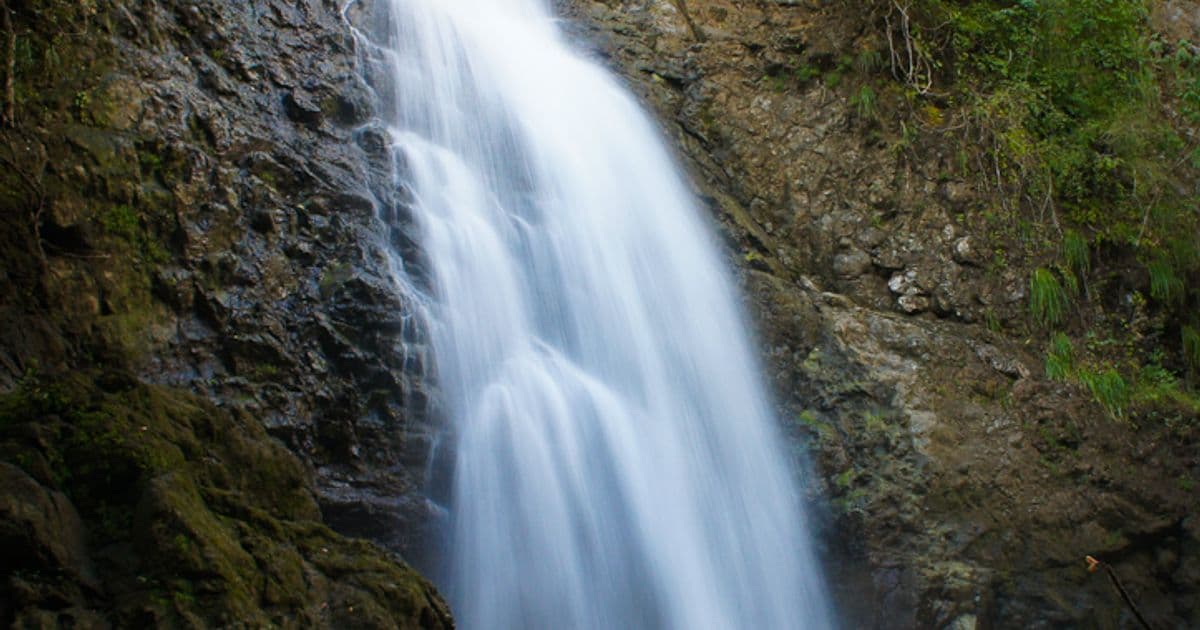
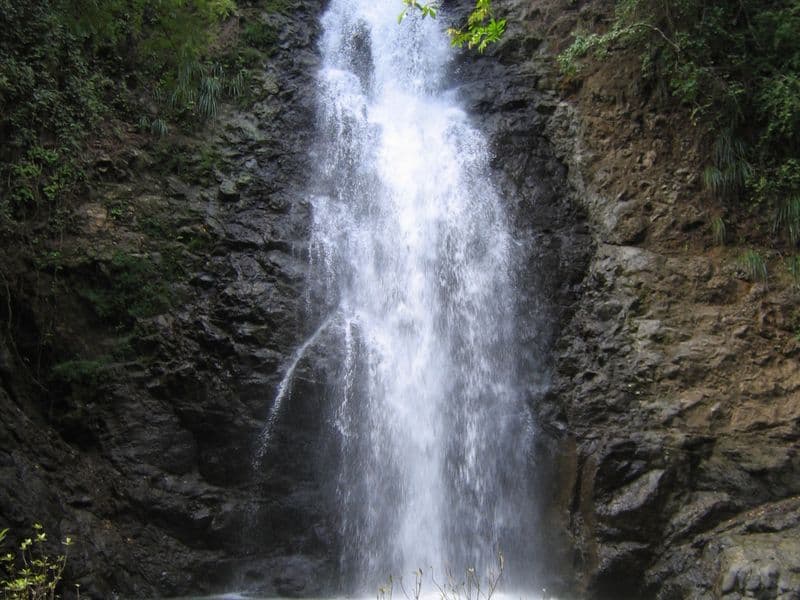
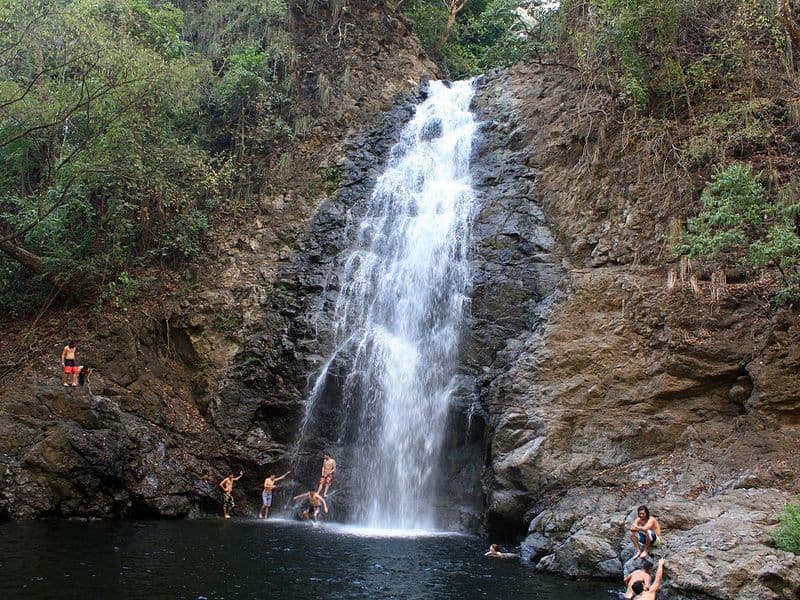
The Montezuma Waterfalls are the village's signature attraction — a series of three waterfalls on the Río Montezuma accessible via a scenic jungle trail from the village center. The trail begins at the southern end of the beach road and follows the river upstream through dense riparian forest for approximately 20–30 minutes, crossing the river multiple times on stepping stones or a short rope bridge.
The first waterfall is the smallest and most accessible, with a pool suitable for swimming. The second waterfall, a dramatic 15-meter cascade dropping into a deep blue pool, is the most popular swimming spot. The third and tallest waterfall, accessed by a steeper trail requiring a rope assist on the final descent, drops approximately 30 meters into a spectacular pool framed by jungle vegetation. The pools at the second and third waterfalls are the primary draw, with warm water temperatures, clear visibility, and a magical jungle setting.
The hike to all three falls takes approximately 2 hours round-trip at a comfortable pace. Wear water shoes or sturdy sandals as the trail involves river crossings. Bring insect repellent and a dry bag for valuables. Visiting early morning (before 9 AM) offers the best light and fewest crowds. A rope swing from a tree above the third pool provides a thrilling entry into the water for the adventurous.
Safety at the Waterfalls
The Montezuma Waterfalls are beautiful but require caution. The trails become slippery in wet conditions, and river levels can rise rapidly after rainfall upstream. Do not attempt the rope descent to the third waterfall if you are uncomfortable with heights or lack physical fitness. Tragically, several fatal accidents have occurred when visitors attempted to jump or swing into pools without assessing water depth or underwater rocks. Always check conditions with local guides and exercise good judgment.
Beaches of Montezuma
Montezuma's coastline is dramatic rather than resort-perfect — a series of rocky headlands, tidal pools, and pocket beaches alternating with longer stretches of golden sand. Playa Montezuma, the main beach fronting the village, is a rocky, brown-sand beach with strong waves that attract intermediate surfers but are unsuitable for casual swimming. The beach is beautiful in a wild, natural sense and excellent for sunset walks.
Playa Grande, accessible by a 20-minute walk north of the village over a headland trail, is a longer, wider beach with cleaner sand and more suitable swimming conditions when the swell is moderate. The walk itself passes through coastal forest with excellent wildlife viewing opportunities. Tide pools at the rocky headlands on both ends of the beach reveal crabs, urchins, starfish, and small fish.
The beaches improve significantly heading north toward Santa Teresa and Mal País, which offer more consistent swimming conditions and world-class surf. Many Montezuma-based travelers take day trips or multi-day excursions to these beaches, which are approximately 45 minutes to 1 hour away by car or motorbike.
Snorkeling and Isla Tortuga
One of the most popular day trips from Montezuma is a boat tour to Isla Tortuga, a pristine island in the Gulf of Nicoya about 45 minutes by speedboat. The island has white-sand beaches, calm turquoise water ideal for snorkeling, and coconut palm shade. Tours typically include snorkeling equipment, a beach lunch, and often a visit to a second smaller island. Isla Tortuga is one of the most photogenic spots in all of Costa Rica and an excellent choice for families.
Wildlife and Nature
Montezuma's surrounding forests and coastline support impressive wildlife. White-faced capuchin monkeys are commonly seen in the trees around the village and along the waterfall trail. Howler monkeys announce themselves vocally each morning. Sloths are spotted regularly in the larger trees near the beach road. The village's tidepools are populated by hermit crabs, sea urchins, and colorful anemones that delight inquisitive visitors during low tide.
Cabo Blanco Strict Nature Reserve, Costa Rica's first protected area established in 1963, occupies the southern tip of the Nicoya Peninsula and is accessible by a short road from Montezuma. The reserve protects primary tropical dry and wet forest, harboring populations of white-faced monkeys, peccaries, coatis, and a significant colony of brown booby seabirds on the offshore Cabo Blanco Island. The park trail to the pristine beach at Playa Cabo Blanco is a strenuous 4-kilometer hike through forest, rewarded by a completely undeveloped Pacific beach.
The Curu Wildlife Refuge, located north of Montezuma near the Tambor ferry terminal, offers guided wildlife tours including howler monkey encounters, butterfly gardens, and mangrove kayaking. The refuge has a successful scarlet macaw reintroduction program that has established a population of these birds on the Nicoya Peninsula.
Cabo Blanco Strict Nature Reserve
Cabo Blanco was established in 1963 by Danish-Swedish couple Karen Mogensen and Olof Wessberg, who campaigned tirelessly to protect the peninsula's forests. The reserve spans 1,172 hectares on land and 1,700 hectares of marine area. It is classified as a strict nature reserve, meaning its interior zone is managed for scientific research and minimal human intervention. The hiking trail to the beach is open Wednesday through Sunday only, with a daily visitor limit to protect the forest.
Activities and Day Trips
Beyond the waterfalls and beaches, Montezuma offers a range of activities suited to its adventurous, independent-traveler character. Yoga classes are available at multiple studios in the village, with drop-in classes typically costing $15–$20. The Montezuma area has several surf break options for different levels, and surf lessons and board rentals are available in town.
ATV tours through the peninsula's dirt roads and coastal jungle provide a high-energy way to explore the area. Horseback riding tours take riders through forest trails to beaches and lookout points. Zip-line canopy tours operate nearby. Sustainable chocolate and coffee farm tours are available within an hour's drive.
The village has a small community cinema, a massage therapy scene, and an artisan market that operates on weekends. The Rancho Margot Eco-Farm, accessible from the Nicoya Peninsula's interior, offers tours of a sustainable organic farm and lodge, demonstrating integrated farming and ecological practices. The town of Cobano, 8 kilometers from Montezuma, serves as the regional service center with supermarkets, a pharmacy, and the bank branch nearest to the village.
Ziplining Near Montezuma
Canopy Tours Los Caballitos, located a short drive from Montezuma, offers one of the most scenic canopy experiences on the Nicoya Peninsula, with lines crossing over jungle and coastline with Pacific Ocean views. The tour includes several kilometers of cable across multiple platforms. Other operators in the Santa Teresa and Malpais area offer similar experiences. Booking through a Montezuma hotel or tour agency is straightforward and typically includes transportation.
Getting to Montezuma
Montezuma's remoteness is part of its charm, but reaching it requires planning. The main route from San José involves taking a ferry across the Gulf of Nicoya from Puntarenas to Paquera (90-minute crossing), then driving approximately 35 kilometers south through Cobano to Montezuma (about 45 minutes on a paved road). The total journey from San José takes approximately 3.5–4.5 hours including the ferry crossing.
Ferries between Puntarenas and Paquera are operated by Naviera Tambor and depart multiple times daily. Car ferry service allows rental vehicles and private cars to cross; foot passenger service is also available with buses connecting to Cobano and Montezuma on the other side. Ferry schedules should be checked in advance and reservations made during peak season to avoid long waits at the Puntarenas dock.
An exciting alternative is the direct ferry service operated from Jacó to Montezuma by the Jaco-Montezuma Ferry. This 1.5-hour speedboat service crosses the Gulf of Nicoya directly, dramatically shortening the journey for travelers already on the Central Pacific coast. The service departs from a beach south of Jacó and arrives directly at the Montezuma waterfront.
Getting Around the Nicoya Peninsula
Within the Nicoya Peninsula, having your own transport — rental car, scooter, or ATV — provides the most flexibility. Road conditions in the southern peninsula range from paved main roads to rutted dirt tracks. A 4WD vehicle is advisable outside the rainy season and essential during it. Shared taxis (colectivos) operate between Montezuma, Cobano, and Santa Teresa at low prices for budget travelers. Motorbike and bicycle rentals in Montezuma provide affordable local transport.
Frequently Asked Questions
What is Montezuma, Costa Rica famous for?
Montezuma is famous for its three-tiered waterfall with natural swimming pools accessible by a jungle trail, its bohemian beach-village atmosphere, proximity to Cabo Blanco (Costa Rica's first nature reserve), and its reputation as a long-standing artist and backpacker community. It is beloved for being authentic and un-commercialized compared to larger Costa Rican beach resorts.
How far is Montezuma from Santa Teresa?
Santa Teresa and Mal País are located approximately 30–40 kilometers from Montezuma via Cobano, about 45–60 minutes by car or scooter on a mostly paved road. Many travelers base themselves in Montezuma and take day trips to the world-class surf beaches at Santa Teresa, or move between the two as part of a Nicoya Peninsula itinerary.
Is Montezuma good for beginners to surf?
Montezuma's own beaches are better for experienced surfers due to rocky conditions and strong shore break. However, nearby Playa Montezuma and beaches reachable by short drive offer some beginner options. For the best beginner surf conditions on the Nicoya Peninsula, Santa Teresa and the beach breaks there are more appropriate. Montezuma surf schools can arrange lessons and transportation to suitable breaks.
Can I visit Montezuma's waterfalls without a guide?
Yes, the waterfalls are independently accessible via the trail beginning at the south end of the main beach road. The trail is not formally maintained, so proper footwear and caution at river crossings are important. A local guide ($15–$25) adds value in knowing the river conditions, pointing out wildlife, and showing the best route to the third waterfall's rope descent. During or after heavy rain, getting a local guide's assessment of conditions is advisable.
What is the weather like in Montezuma?
Montezuma follows the Nicoya Peninsula's weather pattern, with a pronounced dry season from December through April (blue skies, very little rain, hot and sunny) and a rainy season from May through November (afternoon and evening showers, lush green landscape). The dry season is peak tourist season. Temperatures are warm year-round, typically 27–32°C (81–90°F) at sea level.