
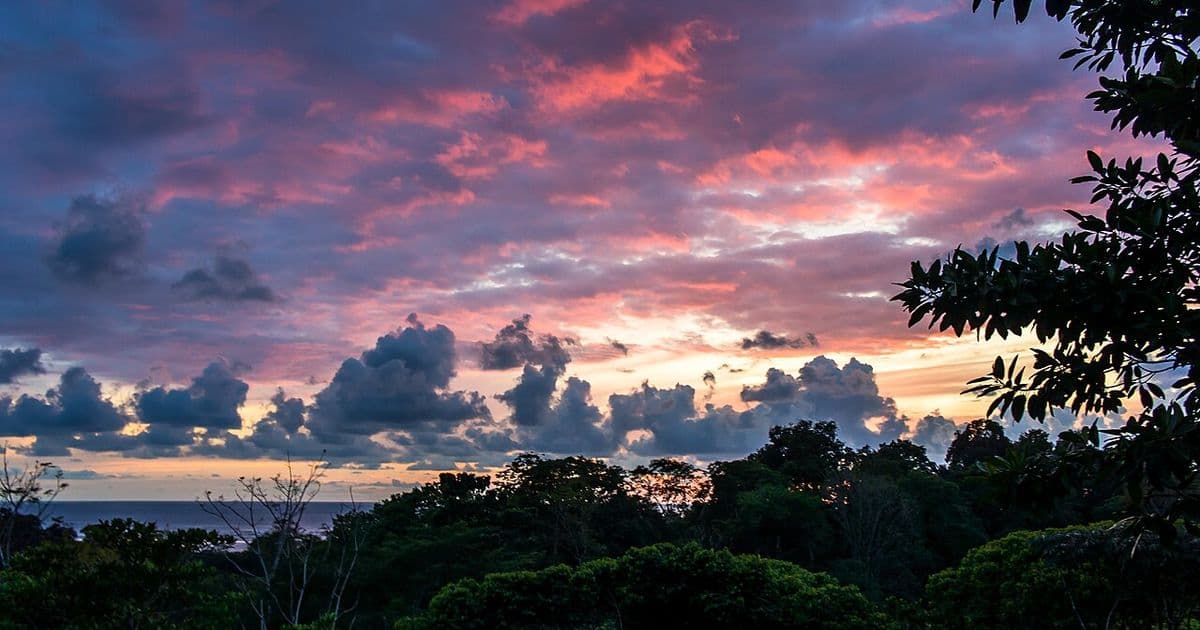
Ojochal Costa Rica: The Gourmet Jungle Village of the South Pacific
Ojochal is a small, internationally renowned village on Costa Rica's South Pacific coast that has earned a remarkable reputation for its extraordinary concentration of world-class restaurants in an otherwise remote jungle setting. Located in the canton of Osa within Puntarenas Province, approximately 22 kilometers south of Dominical and 7 kilometers south of Uvita along the Costanera Sur highway, Ojochal has attracted a cosmopolitan community of chefs, artists, and expatriates who have transformed this quiet coastal village into one of the most unexpected culinary destinations in Central America.
Overview of Ojochal
Ojochal is a small community of perhaps 2,000 to 3,000 people, of whom a significant proportion are foreign residents from North America, Europe, and other parts of the world. The village sits in the transitional zone where Costa Rica's wetter southern rainforest begins, creating lush, intensely green surroundings that contrast with the drier Guanacaste landscape to the north. The forested hills behind Ojochal rise steeply toward the Talamanca highlands, feeding clear rivers and streams that flow through the village and surrounding properties.
Unlike many Costa Rican coastal communities that developed around surf culture or resort tourism, Ojochal evolved organically as a quiet rural settlement that attracted a wave of foreign residents in the 1990s and 2000s who were drawn by affordable land, extraordinary natural beauty, and proximity (relative to more remote areas) to essential services in Uvita and Palmar Norte. The village's character reflects this resident population: well-established, community-oriented, and oriented toward quality of life rather than tourist throughput.
The village is surrounded by private nature reserves, fruit farms, and jungle properties that maintain the forested character of the landscape. Scarlet macaws, toucans, howler monkeys, and coatis are regularly observed in the trees adjacent to residential properties, giving Ojochal an everyday wildlife richness that residents and visitors alike find deeply appealing.
Ojochal's Unique Character
What makes Ojochal genuinely unique in Costa Rica is the combination of its remote jungle setting with its sophisticated dining scene. Visitors arrive expecting a backwater fishing village and find instead an improbably excellent collection of restaurants offering French, Italian, Mediterranean, Asian fusion, and creative international cuisine prepared by professionally trained chefs from multiple countries. This juxtaposition of wilderness and gastronomy is the defining paradox and appeal of Ojochal.
The Culinary Scene in Ojochal
Ojochal's restaurant scene is its most internationally recognized distinction. A disproportionate number of professional chefs who relocated to Costa Rica in search of lifestyle change and natural beauty settled in Ojochal, and over the years these individuals opened restaurants that reflect both their culinary training and their access to exceptional tropical ingredients. The result is a dining experience that regularly surprises visitors who expect basic beach food.
Restaurants in Ojochal occupy jungle-garden settings with open-air dining, flickering candles, and the sounds of the surrounding rainforest providing an atmosphere impossible to replicate in urban restaurant settings. Menus change regularly based on fresh local ingredients including Pacific seafood, tropical fruits, local vegetables, and artisan products. The quality and creativity of cooking at Ojochal's best restaurants genuinely rivals urban fine dining.
Representative restaurants have included Exotica (French-influenced, one of the original and most beloved Ojochal establishments), Citrus (Mediterranean and Pacific fusion), and several other owner-operated establishments with distinct culinary perspectives. The restaurant community turns over over time as owners retire or move, but the tradition of exceptional dining in this improbable location has been remarkably durable. Checking current operating establishments before visiting is advisable, as smaller owner-operated restaurants may have limited opening schedules.
Dining in the Jungle
The physical experience of dining in Ojochal is as memorable as the food. Most restaurants are set in tropical gardens where flowering trees, orchids, and fruit trees frame open-air dining spaces. Tree frogs may call from nearby foliage, fireflies appear after dark, and the sounds of the forest create an ambient backdrop unachievable in conventional restaurant environments. This communion with nature elevates even a simple meal into a memorable sensory experience.
Local Ingredients and Sourcing
Ojochal's chefs benefit from access to exceptional local ingredients. Fresh fish and seafood from the Pacific coast is delivered daily. Tropical fruits including starfruit, rambutan, mangosteen, and dozens of exotic varieties grow on properties in the surrounding hills. Local farms supply organic vegetables, herbs, and artisan cheeses. This emphasis on fresh, local sourcing gives Ojochal's food an authentic regional character despite the international influences on its preparation.
Beaches Near Ojochal
Ojochal itself sits slightly inland from the coast, but several excellent beaches are within easy driving distance. Playa Tortuga (Turtle Beach), approximately 2 to 3 kilometers from the village center, is a beautiful dark-sand Pacific beach with rocky outcrops and tide pools, backed by dense forest that reaches almost to the waterline. The beach is largely undeveloped and lightly visited, offering the unspoiled character increasingly rare on more developed Pacific stretches.
Playa Ballena in Marino Ballena National Park, accessed through Uvita approximately 7 kilometers north, is famous for the whale-tail sandbar (tombolo) that emerges at low tide and for its exceptional whale watching opportunities. Playa Dominical, 22 kilometers north, is the region's primary surf beach. The collective southern portion of the Costa Ballena coastline between Uvita and Punta Uvita features several small beaches accessed by short jungle trails that reward exploration with secluded swimming coves.
The beaches near Ojochal tend to be brown or dark sand due to the volcanic and sedimentary geology of the South Pacific coast, which differs from the white or shell-sand beaches of Guanacaste's limestone-influenced geology. The water is warm year-round, and the biodiversity visible from the beaches, including pelicans, frigatebirds, and the occasional whale or dolphin offshore, compensates for the earthier sand color.
Playa Tortuga
Playa Tortuga is one of the most scenic and accessible beaches from Ojochal. The beach takes its name from the olive ridley sea turtles that occasionally nest here, and tide pools at the rocky southern end of the beach contain marine invertebrates, small fish, and hermit crabs. The beach has no commercial development, making it a genuine natural space where visitors share the sand with shorebirds rather than vendors and parasols.
Wildlife and Nature Around Ojochal
The forested hills surrounding Ojochal support extraordinary wildlife populations that residents encounter on a daily basis. Scarlet macaws, among Costa Rica's most iconic birds, are year-round residents in the area and are commonly seen flying over the village in their distinctive paired formations or feeding in almond trees. Toucans, both the keel-billed and the chestnut-mandibled species, are frequently observed from restaurant terraces and home gardens.
Howler monkeys begin each day with their resonant roars audible throughout the village, and white-faced capuchin monkeys actively forage through fruit trees within residential areas. Three-toed sloths hang in the cecropia and guarumo trees along roadsides and forest edges, easily observed by anyone who takes time to scan the canopy. Coatis, resembling raccoon relatives, visit gardens in small family groups searching for fruits and insects.
Several private nature reserves in the Ojochal area offer guided wildlife and birdwatching tours. The Hacienda Tres Rios and other ecologically oriented properties maintain forest corridors that support populations of peccaries, tapirs, and occasionally ocelots. River tours on the Terraba River, accessible from Palmar Norte 30 minutes south of Ojochal, provide opportunities to observe American crocodiles and numerous waterbird species in one of the region's most productive riparian habitats.
Scarlet Macaw Watching
The Ojochal and Uvita area hosts a thriving population of scarlet macaws, one of the most visible and spectacular wildlife species in the region. These brilliant red, yellow, and blue parrots mate for life and are typically observed in pairs or small family groups. The best macaw watching in Ojochal occurs in the early morning and late afternoon when the birds move between roost trees and feeding areas, often flying directly over the village's main road in noisy, colorful flocks.
The Expat Community and Culture
Ojochal's expat community is one of the most established and culturally diverse in Costa Rica's South Pacific region. Residents from France, Canada, the United States, Germany, Switzerland, Belgium, and numerous other countries have built homes in the surrounding hills and village perimeter over the past three decades. This international mixture has directly enabled the diverse restaurant scene but also creates a community life rich in cultural exchange, shared projects, and multilingual social interaction.
The expat community organizes regular farmers markets, cultural events, community gatherings, and volunteer initiatives that maintain social cohesion and contribute to the village's exceptionally welcoming atmosphere for visitors. English is widely spoken throughout the community alongside Spanish, and many businesses accommodate French and other European languages reflecting the resident population's origins.
Ojochal has attracted not only retirees but also working-age professionals who operate remote businesses, create art, write, and run service businesses that support both the resident and visiting communities. This economically active expat population has given the village unusual vitality for its small size, contributing to a higher density of quality services and cultural programming than its population alone would typically support.
Community Events and Markets
Ojochal's community holds regular farmers markets and cultural events that bring together residents and visitors. These gatherings feature locally produced vegetables, tropical fruits, artisan foods, handcrafted goods, and live music performed by village musicians. The markets provide a genuine window into the community's character and are among the most pleasant ways for visitors to experience Ojochal's social life beyond the restaurant scene.
Day Trips from Ojochal
Ojochal's South Pacific location makes it a convenient base for exploring some of Costa Rica's most spectacular and least crowded natural destinations. Marino Ballena National Park, 7 kilometers north near Uvita, is the most frequently visited destination from Ojochal and offers whale watching, snorkeling, and the iconic whale-tail sandbar. Tours to the park depart from Uvita and can be arranged through Ojochal accommodations.
Corcovado National Park on the Osa Peninsula is approximately 2 to 2.5 hours south of Ojochal via Palmar Norte and Drake Bay. While this requires a full day to visit even from Ojochal, the park's extraordinary biodiversity (described as the most biologically intense place on Earth) makes the journey worthwhile for serious nature travelers. Overnight tours to Corcovado can be organized from Drake Bay lodges as an extension of a trip that begins in Ojochal.
The Terraba Sierpe Mangrove Reserve, accessible from Palmar Norte and Sierpe, is one of the largest mangrove ecosystems in Central America and a productive destination for boat-based wildlife tours. Scarlet macaws, roseate spoonbills, river otters, caimans, and crocodiles are among the species regularly seen on guided river tours through the mangrove channels.
Terraba Sierpe Mangroves
The Terraba Sierpe National Wetlands protect over 40,000 hectares of mangrove forest, the largest such system on Costa Rica's Pacific coast and one of the most extensive in Central America. Boat tours through the serpentine mangrove channels provide close encounters with wildlife in a primordial, cathedral-like setting. The same river route continues to Drake Bay on the Osa Peninsula, making it possible to combine a mangrove tour with onward travel to Corcovado in a single adventurous day.
Getting to Ojochal and Practical Information
Ojochal is located on the Costanera Sur highway (Route 34) approximately 225 kilometers from San Jose, a drive of approximately 3.5 to 4 hours via Jaco and Quepos. The road is entirely paved and in good condition for most of its length, though the Costanera between Quepos and Dominical has some winding sections through coastal mountains. The village is well-signed from the highway, with a turnoff leading into the residential community accessed via a network of dirt roads through the surrounding jungle.
A rental car is strongly recommended for Ojochal visitors, as the village's spread-out layout, the distance to beaches, and the desirability of independent exploration to nearby destinations make reliance on taxis or buses impractical for a comfortable stay. Most properties in Ojochal require a vehicle to reach from the main highway, and some of the best dining restaurants and attraction sites require driving on unpaved forest roads.
The nearest significant town with banking, pharmacies, and supermarkets is Uvita, 7 kilometers north on the Costanera. Palmar Norte, 30 kilometers south, is the regional commercial hub with larger supermarkets, hospitals, and bus connections. The Quepos La Managua domestic airport (XQP) is approximately 90 minutes north and receives scheduled flights from San Jose if air access is preferred over the scenic road journey.
Accommodation Options in Ojochal
Accommodation in Ojochal ranges from basic guesthouses in the village to elegant jungle villas and boutique eco-lodges hidden in the surrounding forest. Properties like Cristal Ballena and Villas Gaia offer comfortable mid-range to upscale options with pools, restaurant access, and wildlife-rich jungle settings. Self-catering vacation rentals are plentiful, particularly appealing for longer-stay visitors who want the flexibility of a home base with kitchen facilities in this culinary village.
Frequently Asked Questions
What is Ojochal Costa Rica known for?
Ojochal is most famous for its improbably excellent restaurant scene, where professional chefs from multiple countries have created world-class dining in a remote jungle village setting. It is also known for abundant wildlife including scarlet macaws, howler monkeys, toucans, and sloths, its established international expat community, and its proximity to Marino Ballena National Park's whale watching.
How far is Ojochal from Uvita Costa Rica?
Ojochal is approximately 7 kilometers south of Uvita along the Costanera Sur highway, a drive of about 10 to 15 minutes. Uvita is home to the Marino Ballena National Park entrance and offers banking, supermarkets, and tour operator services that complement Ojochal's residential character.
Do I need a car to visit Ojochal?
Yes, a rental car is strongly recommended for visiting Ojochal. The village is spread across jungle hillsides accessible via dirt roads, beaches require driving, and exploring the wider South Pacific coast is impractical without personal transport. Taxis are available but expensive for the multiple daily trips that free exploration requires.
What are the best restaurants in Ojochal Costa Rica?
Ojochal's restaurant scene includes French, Mediterranean, Pacific fusion, and creative international cuisine served in open-air jungle settings. Exotica Restaurant is among the most historically celebrated establishments. Restaurant availability changes over time as owner-operators retire or relocate, so checking current reviews and confirming operating hours before visiting is recommended. The quality consistently surprises visitors to this remote village.
Is Ojochal good for wildlife watching?
Yes, Ojochal is exceptional for accessible wildlife watching. Scarlet macaws, toucans, howler monkeys, white-faced capuchins, three-toed sloths, and coatis are commonly observed from village roads and private gardens without any guided tour. For deeper jungle encounters, several private reserves and guided tours operate in the surrounding hills. Nearby Marino Ballena National Park adds whale and dolphin watching to the wildlife portfolio.