
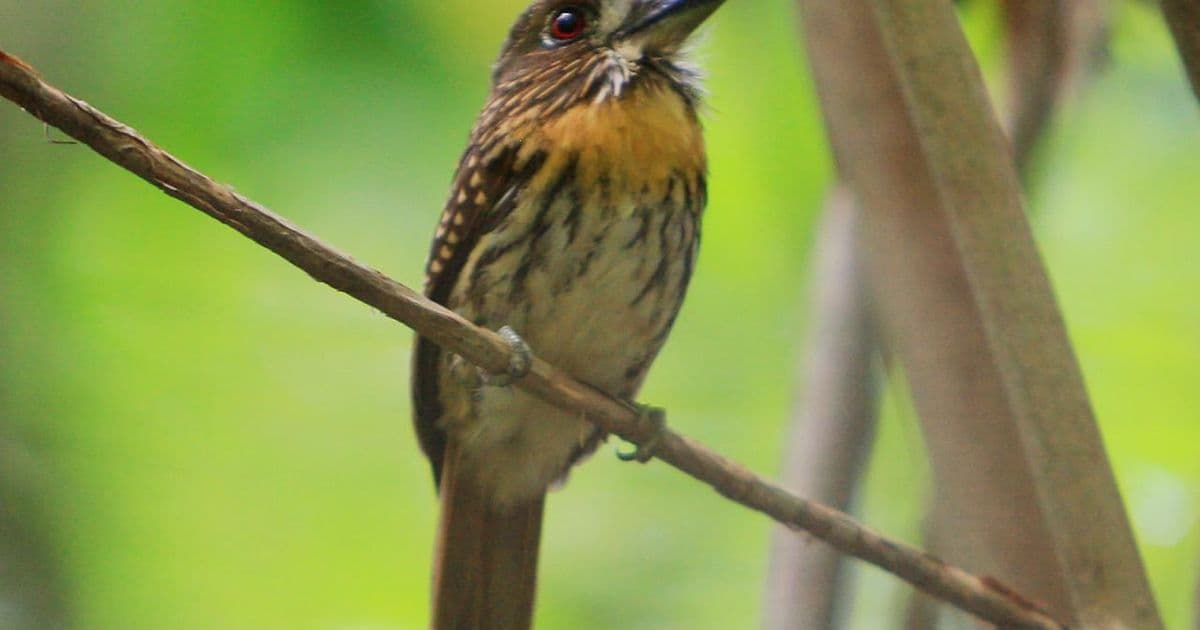
Osa Peninsula, Costa Rica: The Most Biodiverse Place on Earth
The Osa Peninsula in Costa Rica's Southern Pacific region is widely considered the most biologically intense destination in the Western Hemisphere. Home to Corcovado National Park — described by National Geographic as the most biologically intense place on Earth — the Osa Peninsula protects primary rainforest harboring jaguars, tapirs, all four Costa Rican monkey species, scarlet macaws, harpy eagles, and an astonishing diversity of reptiles, amphibians, and insects. This remote, undeveloped peninsula is the ultimate destination for serious wildlife enthusiasts and eco-travelers.
Overview of the Osa Peninsula
The Osa Peninsula is a large, triangular landmass in the Puntarenas Province of southern Costa Rica, bounded by the Pacific Ocean to the west and the Golfo Dulce to the east. The peninsula covers approximately 700 square kilometers and is overwhelmingly covered in primary and secondary tropical rainforest, with Corcovado National Park protecting the largest expanse. The entire Osa region, including surrounding marine areas, is part of an interconnected biological corridor that also includes the Golfo Dulce Forest Reserve and Piedras Blancas National Park on the opposite shore.
The human population of the Osa Peninsula is very small — approximately 15,000–20,000 people spread across the town of Puerto Jiménez (the main settlement), several small coastal villages, and dispersed rural homesteads. This low population density is directly related to the peninsula's remoteness: there are no paved roads through the park or across much of the interior, and much of the coast is accessible only by boat or on foot. This remoteness is precisely what has preserved the Osa's extraordinary ecosystems.
Tourism to the Osa Peninsula has grown steadily over the past two decades, but the peninsula's infrastructure deliberately limits visitor numbers to protect the ecological integrity that makes it remarkable. There are no large resort hotels on the Osa Peninsula — accommodation is exclusively in small eco-lodges, boutique properties, wilderness camps, and guesthouses. Many lodges operate their own guided wildlife tours and help visitors navigate the park's complex permitting system.
Golfo Dulce
The Golfo Dulce (Sweet Gulf) is a rare tropical fjord-like embayment on the eastern side of the Osa Peninsula, one of only four tropical fjords in the world. The gulf's calm, warm, nutrient-rich waters support exceptional marine biodiversity including humpback whales, dolphins, sea turtles, whale sharks, and endemic fish species. The surrounding shoreline of the Golfo Dulce Forest Reserve protects additional primary rainforest accessible from the town of Golfito on the opposite shore.
Corcovado National Park
Corcovado National Park covers 54,000 hectares — roughly 41% of the Osa Peninsula — and represents one of the largest intact tracts of lowland tropical rainforest remaining on the Pacific coast of the Americas. The park was established in 1975 after significant pressure from conservationists concerned about gold mining and logging threatening the peninsula's forests. It protects multiple ecosystems including lowland rainforest, cloud forest above 700 meters, wetlands, and coastal mangroves along 46 kilometers of Pacific beachline.
The park is administered by SINAC and has strict visitor regulations designed to protect wildlife. All visitors must enter with a certified naturalist guide — independent access is not permitted (except to the beach in front of the La Leona and San Pedrillo ranger stations). Guide requirements, permit systems, and capacity limits (approximately 150–200 visitors per day across the park) are strictly enforced. These measures have been controversial with some operators and visitors but are widely credited with maintaining the park's exceptional wildlife populations.
Three main ranger stations provide access points to the park: San Pedrillo in the north (accessible by boat from Drake Bay), Sirena in the center (accessible by plane or multi-day hike), and La Leona in the south (accessible from Carate, the nearest road access point). The Sirena station is the biological heart of the park with the highest wildlife encounter rates. Overnight stays at Sirena require advance booking through the park system months ahead during high season.
Sirena Biological Station
The Sirena Ranger Station in the center of Corcovado is the most biodiverse location in the park and one of the most wildlife-rich spots in the world. The station sits at the confluence of the Río Sirena and the beach, in an area of exceptional primary forest surrounded by wetlands. Tapirs, peccaries, and all four monkey species are regularly seen near the station. Scarlet macaws in large flocks, harpy eagles (rare sightings), and numerous large predator species including jaguars and pumas are recorded regularly by researchers and naturalist guides working in the area.
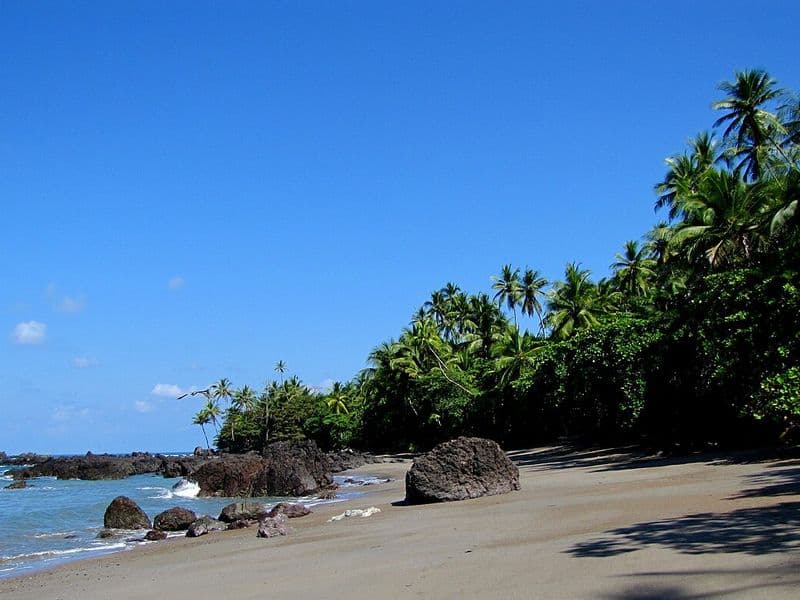
Wildlife of the Osa Peninsula
The Osa Peninsula's wildlife is legendary and justifies its reputation as a premier destination for naturalists. All four of Costa Rica's monkey species — white-faced capuchin, mantled howler, Geoffroy's spider monkey, and Central American squirrel monkey — are present and often encountered. The spider monkey and squirrel monkey are particularly significant as both species are considered endangered or vulnerable in much of their range but maintain healthy populations in the Osa.
Large mammal sightings that are rare or impossible elsewhere in Costa Rica are relatively common on the Osa. Baird's tapir, the largest terrestrial mammal in Central America (adults can weigh 200 kg), wanders the beaches and forest trails of Corcovado, often seen on beach walks at dawn or dusk. Collared and white-lipped peccaries move in large groups through the forest. White-nosed coatis, kinkajous, ocelots, and jaguarundis are commonly recorded on camera traps and occasionally spotted by lucky visitors.
The Osa Peninsula is one of the most important jaguar strongholds in Central America. While jaguar sightings are rare for visitors, the cats are known to be present throughout the park and surrounding reserves. The connected wildlife corridor that the Osa shares with the Serranías de Tabasará mountains in Panama provides habitat sufficient to support a small but viable jaguar population. Corcovado is also home to the largest population of scarlet macaws in Costa Rica — flocks of 50+ birds flying over the forest canopy are a routine and spectacular sight.
Marine Wildlife
The marine environment surrounding the Osa Peninsula is as spectacular as its terrestrial wildlife. The waters offshore and in the Golfo Dulce host humpback whales (July–November and December–April), spinner and bottlenose dolphins year-round, whale sharks seasonally, bull sharks, four sea turtle species, spotted eagle rays, and an extraordinary abundance of reef fish. Isla del Caño Biological Reserve, an uninhabited island 20 km offshore from Drake Bay, is one of the premier dive sites in the Pacific Americas with visibility regularly exceeding 20 meters and exceptional pelagic wildlife encounters.
Drake Bay and the Northern Osa
Drake Bay (Bahía Drake) is the main tourism hub for the northern Osa Peninsula, a small coastal community accessible by boat from Sierpe or by small plane from San José. Named after the English privateer Sir Francis Drake, who reportedly anchored here in 1579, Drake Bay has a handful of eco-lodges ranging from budget to luxury, several restaurants, and operates as the main departure point for tours into the northern section of Corcovado via San Pedrillo ranger station and to Isla del Caño for diving and snorkeling.
The lodges at Drake Bay range from the budget-friendly Ceciliano's and La Paloma Lodge to the renowned and award-winning Aguila de Osa Inn. Many lodge packages include guided tours, meals, and transportation in a single price, simplifying the logistics of visiting this remote area. The community of Drake Bay itself is tiny — a scattering of houses, a small dock, and minimal services — with the lodges providing most visitor services.
The coastline north of Drake Bay toward the San Pedrillo ranger station offers stunning hiking along beach and jungle trails, with waterfalls accessible by short detours from the main path. The Río Claro near San Pedrillo has a small waterfall accessible from the ranger station with a refreshing pool. Snorkeling at the offshore rocks near Drake Bay reveals healthy coral formations with good biodiversity despite some degradation from periodic El Niño warm water events.
Isla del Caño Biological Reserve
Isla del Caño is a 330-hectare uninhabited island 20 kilometers offshore from Drake Bay, surrounded by one of the richest marine environments on Costa Rica's Pacific coast. The island was an important pre-Columbian burial site for the indigenous peoples of the Diquis Delta, and stone spheres of the same type found at Palmar Sur have been discovered here. The marine reserve around the island features exceptional coral cover, large fish schools, sharks, rays, sea turtles, and during whale season, humpback whales. Day trips from Drake Bay lodges are the primary access method.
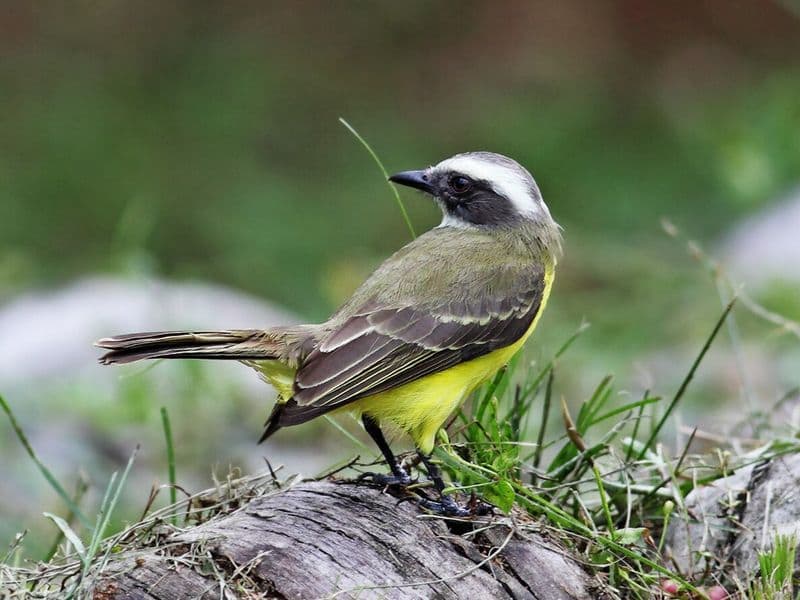
Puerto Jiménez and the Southern Osa
Puerto Jiménez is the largest town on the Osa Peninsula and the main service center for the entire region, with a population of approximately 7,000 people. The town has banks (including a Western Union for wiring funds), ATMs, supermarkets, restaurants, a health clinic, a small airport, hotels, tour operators, and the administrative offices for Corcovado National Park. Most visitors to the southern Osa and Corcovado (via the La Leona ranger station) pass through Puerto Jiménez.
The town has a frontier quality — the peninsula's remoteness and the historical importance of artisanal gold mining in the region give Puerto Jiménez a character different from typical Costa Rican tourist towns. Relations between conservation authorities and local communities have sometimes been tense given the conflicts between subsistence mining, logging, and wildlife protection, though sustainable tourism has increasingly provided economic alternatives.
From Puerto Jiménez, the road to Carate (the closest road-accessible point to La Leona ranger station) is an unpaved track requiring a high-clearance 4WD vehicle or the local colectivo (shared taxi truck) that departs daily at dawn. The 43-kilometer drive takes 1.5–2 hours and involves river crossings and significant mud during rainy season. Carate has minimal services — essentially just a small pulpería (corner store) and the airstrip — so all supplies should be organized in Puerto Jiménez.
Matapalo and Cabo Matapalo
Cabo Matapalo, at the southern tip of the Osa Peninsula, is one of the most dramatic natural settings in Costa Rica — a rocky headland of primary forest meeting the sea, with howler monkeys, spider monkeys, and scarlet macaws providing constant wildlife entertainment. The Matapalo area south of Puerto Jiménez has several high-quality eco-lodges including Lapa Rios (an internationally acclaimed sustainable luxury lodge) and Bosque del Cabo. The coastline has excellent surf at Playa Pan Dulce and good snorkeling and diving conditions around the offshore rocks.
Getting There and Practical Information
Reaching the Osa Peninsula requires effort — which is exactly what protects it from mass tourism. The most common routes are: flying from San José's Tobías Bolaños Airport (Pavas) to Puerto Jiménez (50-minute flight, Sansa Airlines) or to the Drake Bay airstrip (45-minute flight), or driving from San José to Puerto Jiménez via San Isidro de El General (approximately 7 hours, unpaved sections in the final stretch). A third option reaches Drake Bay by taking a bus or driving to Sierpe and then a 1.5-hour boat ride down the Río Sierpe through mangroves to Drake Bay.
The rainy season (May–November) brings heavy, persistent rainfall to the Osa — among the highest in the country at 5,000–7,000 mm annually. While the park remains open year-round, river crossings can become dangerous, trails more challenging, and access routes more difficult during peak rainy months (September–October). The dry season (December–April) offers better trail conditions and more predictable weather, though wildlife is active year-round.
Costs on the Osa Peninsula are higher than other Costa Rican destinations due to the remote logistics of supplying food and goods. Budget carefully: park entrance fees (~$15/day), guide fees (approximately $35–$50 per person per tour), boat transportation, and accommodations (which are generally mid-range to high-end). Plan to carry sufficient cash as ATMs are limited and electronic payments are not always available at smaller lodges and restaurants.
Booking Corcovado Permits
Entering Corcovado National Park requires a certified SINAC guide — solo entry is prohibited except on the beach adjacent to the coastal ranger stations. Guides must be hired through licensed tour operators, and park permits (required in addition to guide fees) must be obtained through SINAC's online booking system. During the high season (December–April), permits for popular trails and overnight stays at Sirena should be booked 3–6 months in advance. Consult current SINAC regulations before planning, as the permit system has been updated multiple times in recent years.
Frequently Asked Questions
How do I get to the Osa Peninsula?
The most time-efficient option is a 50-minute domestic flight from San José (Pavas airport) to Puerto Jiménez on Sansa Airlines. Alternatively, drive approximately 7 hours from San José via San Isidro de El General. For Drake Bay, fly to the Drake Bay airstrip (45 min) or take a bus to Sierpe and a 1.5-hour boat ride through the mangroves. Flying is strongly recommended for maximizing time in the destination.
Can I visit Corcovado National Park independently?
No. SINAC regulations require all visitors to Corcovado's interior to be accompanied by a certified naturalist guide, and park permits must be obtained in advance through the SINAC online booking system. This rule has been in place since 2014 and is strictly enforced at ranger stations. Guides must be licensed by ICT (Instituto Costarricense de Turismo) and registered with SINAC. Book guides through established tour operators in Drake Bay, Puerto Jiménez, or San José.
Is it possible to see jaguars in Corcovado?
Jaguar sightings in Corcovado are rare and cannot be guaranteed, but the park has a known resident jaguar population and sightings do occur, primarily at dawn and dusk near river crossings and in the Sirena sector. Staying overnight at Sirena significantly increases the chances of early-morning encounters. Camera traps set by researchers consistently photograph jaguars throughout the park. Even without a jaguar sighting, the Osa Peninsula offers more large mammal diversity than anywhere else in Costa Rica.
What is the best lodge on the Osa Peninsula?
Lapa Rios at Cabo Matapalo is consistently cited among the top eco-lodges in Costa Rica and is internationally acclaimed for its sustainability practices and biodiversity-focused programming. Bosque del Cabo (same area) and La Paloma Lodge (Drake Bay) are other top-tier options. Tiskita Jungle Lodge in the far south offers an extraordinary private reserve experience. Mid-range travelers will find good options at Aguila de Osa Inn (Drake Bay) and El Remanso (Matapalo). All bookings should include guided tours for best wildlife encounters.
When is the best time to visit the Osa Peninsula?
The dry season (December–April) offers the easiest trails, most accessible river crossings, and generally better hiking conditions. However, wildlife is present and active year-round. The green season (May–November) brings lush vegetation, fewer tourists, and lower prices, though September–October see the heaviest rain and most difficult access. For whale watching, July–November is peak season for Southern Hemisphere humpbacks. For all-around ease of access and good wildlife encounters, January through April is the most recommended period.