
Papagayo Costa Rica: Guanacaste's Luxury Resort Peninsula
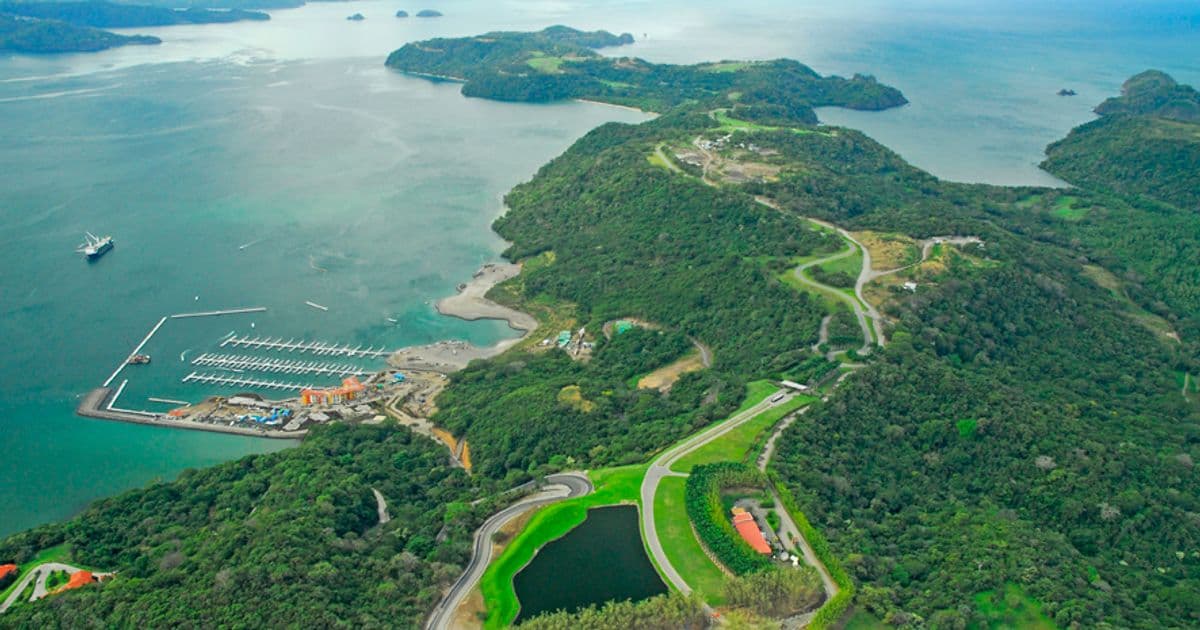
The Papagayo Peninsula is Costa Rica's most prestigious resort zone, a rugged volcanic headland on the northern Guanacaste coast that encloses the magnificent Gulf of Papagayo. Home to some of the country's most exclusive resorts, the peninsula benefits from a unique microclimate created by the seasonal Papagayo winds that produce some of the sunniest and driest weather on Costa Rica's Pacific coast. The combination of calm, turquoise bays, luxury accommodations, and consistently excellent conditions has made Papagayo the destination of choice for travelers seeking a premium Costa Rica beach experience.
The Papagayo Peninsula Overview
The Papagayo Peninsula, known in Spanish as the Peninsula de Papagayo, is a prominent headland in the northwestern corner of Costa Rica's Pacific coast, located in the canton of Liberia within Guanacaste Province. The peninsula's geography creates a natural enclosure for the Gulf of Papagayo, a large bay with calm, protected waters that serve as the centerpiece of the region's appeal for luxury resort development.
The Costa Rican government designated the peninsula as a special tourism zone in the 1990s, enabling large-scale resort development under a coordinated master plan that includes shared infrastructure, environmental protections, and controlled access. This planning framework has allowed the peninsula to develop high-end hotels while maintaining minimum development standards that preserve beach access, forest corridors, and coastal character.
The Four Seasons, Andaz (by Hyatt), Secrets, Dreams, and the JW Marriott are among the international luxury brands that have established flagship properties on the Papagayo Peninsula, drawn by the combination of extraordinary natural beauty, reliable weather, and proximity to the Liberia International Airport. The peninsula is essentially Costa Rica's answer to the Riviera Maya or the Baja California resort zones in Mexico.
Peninsula Geography
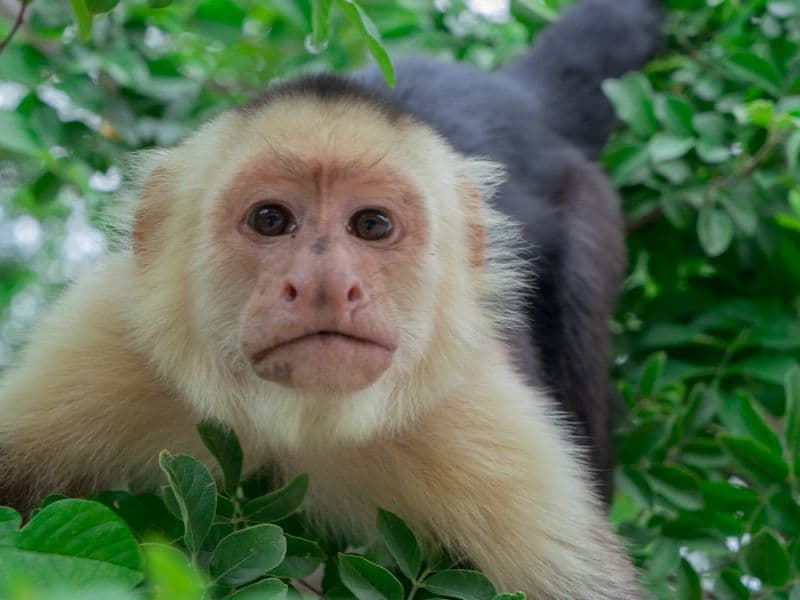
The Papagayo Peninsula extends approximately 15 kilometers into the Pacific and is characterized by volcanic rock headlands, forested hillsides of dry tropical forest, and a series of coves and bays with calm water. The interior is largely undeveloped and supports dry forest habitat that seasonally hosts howler monkeys, iguanas, coatis, deer, and numerous bird species. The contrast between the groomed resort zones and the adjacent wilderness forest is one of Papagayo's distinctive characteristics.
Gulf of Papagayo and Its Beaches
The Gulf of Papagayo is the defining geographic feature of the region, a large embayment enclosed by the peninsula that creates consistently calm and clear water conditions ideal for swimming, snorkeling, and water sports. Unlike many Pacific coast beaches in Costa Rica where swells from the open Pacific create rough conditions, the gulf's protected location ensures tranquil waters accessible to guests of all swimming abilities.
The beaches along the Gulf of Papagayo range from small, intimate coves accessible only by boat to broader sandy stretches in front of the major resorts. Playa Hermosa, Playa del Coco, Playa Panama, and Playa Ocotal are among the beaches accessible from the main Guanacaste highway, while more exclusive Playa Prieta, Playa Virador, and Peninsula beaches are accessed through resort property or by boat.
The water clarity in the Gulf of Papagayo is exceptional by Costa Rica Pacific coast standards, particularly from December through April when visibility reaches 15 to 25 meters in calmer areas. This clarity supports healthy snorkeling directly from resort beaches and makes the region one of the most rewarding for casual underwater exploration without requiring a boat trip to offshore sites.
Playa Hermosa and Playa del Coco
Playa Hermosa (not to be confused with the surfing beach of the same name near Jaco) and Playa del Coco are the main public beaches near the Papagayo Peninsula. Playa del Coco is a lively fishing village with restaurants, bars, dive shops, and tour operators that cater to both independent travelers and resort guests. Playa Hermosa is quieter with a mix of small hotels and private homes backing a calm grey-sand beach.
Top Resorts on the Papagayo Peninsula
The Four Seasons Resort Costa Rica at Peninsula Papagayo is the undisputed flagship of the region, an award-winning property consistently rated among the top beach resorts in the Americas. The resort sits atop a volcanic bluff with access to two private beaches, a spectacular infinity-edge pool overlooking the Gulf, an 18-hole golf course designed by Arnold Palmer, and the Peninsula Papagayo marina. The Four Seasons Papagayo is one of the most acclaimed luxury resorts in the entire Western Hemisphere.
The Andaz Costa Rica Resort at Peninsula Papagayo, operated by Hyatt, offers a more contemporary, design-forward luxury experience on the same peninsula, with architecture that integrates indigenous Costa Rican design elements and a strong sustainability program. The resort emphasizes local cultural connections, offering experiences in Costa Rican coffee, cacao production, and traditional crafts alongside the expected resort amenities.
Dreams Las Mareas Costa Rica and Secrets Papagayo, both operated by Apple Leisure Group, provide all-inclusive luxury options on the peninsula catering to adults (Secrets) and families (Dreams). These properties offer the convenience of all-inclusive pricing with high-quality amenities and beach access that appeal strongly to North American family and couples markets.
Four Seasons Papagayo
The Four Seasons Resort Costa Rica occupies a prime position at the tip of the Papagayo Peninsula with dramatic views of the Gulf from multiple perspectives. In addition to its beach, pool, golf, and spa facilities, the resort operates the Peninsula Papagayo Yacht Club and Marina, offering boat charters, sport fishing, snorkeling, and sailing experiences. The property's wildlife corridors through the grounds host howler monkeys, iguanas, deer, and over 100 bird species.
All-Inclusive Options: Secrets and Dreams
Secrets Papagayo Costa Rica (adults-only) and Dreams Las Mareas Costa Rica (families welcome) offer unlimited luxury all-inclusive packages including premium drinks, multiple restaurant options, entertainment, and a full range of non-motorized water sports. These resorts are consistently among Costa Rica's highest-rated all-inclusive properties, drawing repeat visitors who appreciate the Gulf of Papagayo location combined with all-inclusive simplicity.
Water Activities and Marine Life
The calm, clear waters of the Gulf of Papagayo support an extensive array of water activities year-round. Snorkeling from beach access points and by guided boat tour reveals healthy rocky reef communities populated with puffer fish, parrot fish, needlefish, eels, and occasionally sea turtles. Boat snorkeling tours to Playa Ocotal and Playa Virador offer more diverse marine life than can be seen from shore.
Scuba diving is excellent throughout the Gulf of Papagayo, with dive sites featuring volcanic rock formations, rocky reefs, and seasonal concentrations of larger marine animals. Dive shops at Playa del Coco serve as the main hub for diving services in the region, offering certification courses, equipment rental, and guided dives to local sites. The Murcielago Archipelago, accessible from the northern Guanacaste coast, is the region's premier advanced diving site where bull sharks, whitetip reef sharks, and large rays are regularly encountered.
Sport fishing for billfish, dorado, and yellowfin tuna is available through charter operations at the Peninsula Papagayo Marina and at Playa del Coco. The Gulf's proximity to productive offshore seamounts and underwater ridges makes it a productive fishing ground, particularly for Pacific sailfish that run in large numbers from December through April.
Sailing and Catamaran Tours
Catamaran day tours are among the most popular activities departing from the Papagayo Peninsula and Playa del Coco. These tours typically include a full day of sailing around the gulf, snorkeling stops, kayaking, open bar service, and lunch aboard. Sunset sailing tours lasting 3 to 4 hours are particularly romantic options for couples visiting the peninsula, with the Guanacaste coastline providing spectacular evening silhouettes.
The Papagayo Wind: Weather and Best Season
The Papagayo wind is a powerful seasonal wind phenomenon that occurs in the Gulf of Papagayo when strong trade winds from the Caribbean push through the low pass in the Nicaraguan highlands and accelerate as they emerge over the Pacific. These winds blow most consistently from November through March, creating wind speeds of 30 to 80 kilometers per hour that can make watersports challenging but keep temperatures comfortable and guarantee clear, rainless skies.
Far from being a negative characteristic, the Papagayo winds are an asset that defines the region's climate advantage. The winds suppress humidity, prevent the cloud formation that brings afternoon rains to other parts of Costa Rica, and create conditions ideally suited to kitesurfing and windsurfing. The Guanacaste coast is one of the top kitesurfing destinations in the Americas specifically because of the Papagayo wind.
The driest and sunniest months at Papagayo are December through April, when rain is extremely rare and daily sunshine is virtually guaranteed. May through November brings increased humidity and occasional afternoon showers, though mornings remain mostly clear and temperatures at the coast stay warm. The overall weather pattern makes Papagayo one of the most reliable sun destinations in Costa Rica across the broadest range of travel dates.
Kitesurfing the Papagayo Wind
The consistent Papagayo winds from November through April make the Gulf of Papagayo and nearby Playa El Coco and Playa Ocotal excellent kitesurfing locations. Several schools and equipment rental operations in the Coco-Papagayo area cater to all skill levels from beginner instruction to advanced riding. The warm water and consistent side-shore winds create ideal learning conditions and exciting advanced riding for experienced kiters.
Day Trips from Papagayo
The Papagayo Peninsula's location on the northern Guanacaste coast provides convenient access to some of Costa Rica's finest natural and cultural attractions. The Santa Rosa National Park, about 45 minutes north along the Pan-American Highway, is one of Costa Rica's oldest national parks and protects extensive dry tropical forest, historic colonial hacienda ruins, and the pristine Playa Naranjo beach, accessible only by 4WD or hiking.
Rincon de la Vieja Volcano National Park, about 1.5 hours from the Papagayo Peninsula, offers dramatic volcanic landscapes including boiling mud pots, fumaroles, and natural hot springs, along with hiking trails through dry forest and cloud forest ecosystems. The park's wildlife includes peccaries, tapirs, and the endangered Central American squirrel monkey in the cloud forest zones.
Day trips to the southern Nicoya Peninsula, reached by boat from Playa Hermosa or by driving south to the Puntarenas ferry, bring visitors to the beaches of Montezuma, Mal Pais, and Santa Teresa. These bohemian, surf-focused beach towns contrast dramatically with the luxury resort character of Papagayo, offering an authentic local Costa Rican coastal experience within a day's excursion.
Rincon de la Vieja Day Tour
Rincon de la Vieja is the most popular day trip from the Papagayo area for guests seeking an active volcano experience. Tours typically include transportation from the resort, guided hiking through the park's volcanic terrain with mud pot and fumarole viewpoints, a natural hot spring soak, and a traditional Costa Rican lunch. Zip-lining, hanging bridges, and horse riding can be added through haciendas adjacent to the park boundary.
Getting to the Papagayo Peninsula
The Papagayo Peninsula is served by the Daniel Oduber Quiros International Airport in Liberia (IATA code LIR), the closest major airport to Guanacaste and one of Costa Rica's two international gateways. The airport is approximately 35 to 45 minutes by road from the peninsula, and most major resorts provide shuttle service or can arrange private transfers. Major North American carriers including American, United, Delta, Southwest, and Air Canada operate direct flights to Liberia from multiple US and Canadian cities, particularly during the dry season.
From San Jose, the drive to Papagayo takes approximately 4 to 5 hours via the Pan-American Highway through Canas and then northwest to Liberia. This route is well-paved and straightforward, passing through Guanacaste's distinctive dry forest and cattle ranching landscape. Shuttle services run between San Jose, Liberia, and the Papagayo resorts on a daily schedule.
Most resort guests arrange ground transportation directly through their hotel. Private transfer services from Liberia airport to Papagayo resorts typically take 30 to 45 minutes and are available around the clock to accommodate all flight schedules. Rental cars provide flexibility for guests interested in exploring the broader Guanacaste region beyond the peninsula.
Liberia Airport Direct Flights
Liberia International Airport receives increasing numbers of direct international flights each year, and during the dry season peak (December through April), it handles significant passenger volumes from major North American cities. Flying directly to Liberia rather than San Jose saves 3 to 4 hours of travel time for Papagayo-bound visitors and is strongly recommended for Guanacaste resort guests.
Frequently Asked Questions
What is the Papagayo Peninsula in Costa Rica?
The Papagayo Peninsula is a volcanic headland on Costa Rica's northern Pacific coast in Guanacaste Province that encloses the Gulf of Papagayo. It is a designated tourism zone featuring some of Costa Rica's most prestigious luxury resorts, including the Four Seasons, Andaz, Secrets, and Dreams properties, set amid dry tropical forest and calm, clear Pacific beaches.
Which airport is closest to Papagayo Costa Rica?
The Daniel Oduber Quiros International Airport in Liberia (LIR) is the closest international airport to the Papagayo Peninsula, approximately 35 to 45 minutes by road. Liberia receives direct flights from major North American cities and is the recommended entry point for all Guanacaste-bound travelers.
What is the best resort on the Papagayo Peninsula?
The Four Seasons Resort Costa Rica at Peninsula Papagayo is widely considered the finest property on the peninsula and one of the best beach resorts in the Americas. For all-inclusive luxury, Secrets Papagayo (adults-only) and Dreams Las Mareas (families) are the top choices. The Andaz Costa Rica by Hyatt offers a design-forward luxury experience with strong cultural programming.
What is the Papagayo wind in Costa Rica?
The Papagayo wind is a seasonal atmospheric phenomenon where strong Caribbean trade winds push through a gap in the Nicaraguan highlands and emerge as powerful offshore winds over the Gulf of Papagayo. Blowing from November through March at 30 to 80 km/h, these winds guarantee clear skies and zero rainfall, making the Papagayo Peninsula one of Costa Rica's sunniest destinations during this period.
Is Papagayo Costa Rica good for families?
Yes, Papagayo is excellent for families. The calm, protected Gulf of Papagayo waters are safe for children to swim and snorkel. Dreams Las Mareas provides an all-inclusive family resort with a kids' club, splash pools, and family dining. The Four Seasons and Andaz also offer family-friendly amenities. The peninsula's wildlife-rich dry forest adds natural education opportunities for younger visitors.