
Puerto Viejo, Costa Rica: Caribbean Culture, Surf, and Jungle
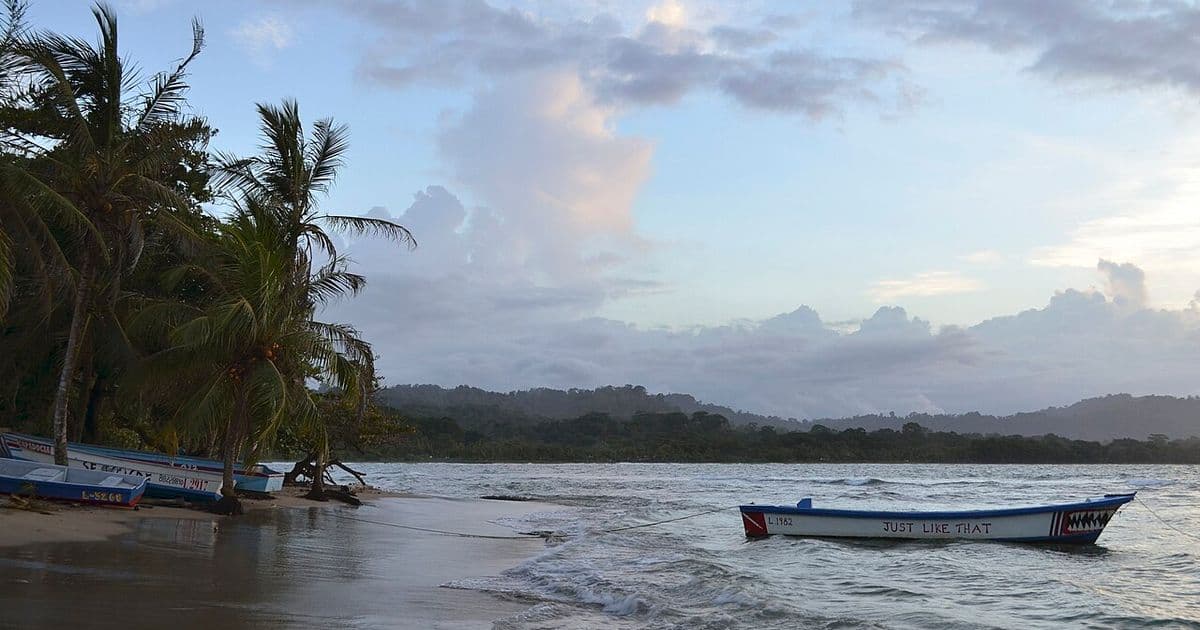
Puerto Viejo de Talamanca is Costa Rica's most celebrated Caribbean destination, a small beach town with an outsized personality shaped by Afro-Caribbean heritage, surf culture, indigenous Bribri traditions, and a thriving international community. Located 200 kilometers from San José near the Panamanian border, Puerto Viejo combines world-class beaches including Punta Uva and Playa Cocles with access to Cahuita National Park's coral reef, the Gandoca-Manzanillo Wildlife Refuge, and indigenous Bribri cultural experiences.
Overview of Puerto Viejo de Talamanca
Puerto Viejo de Talamanca (often shortened to Puerto Viejo to distinguish it from Puerto Viejo de Sarapiquí in the northern zone) is a small town of approximately 5,000 permanent residents in Talamanca canton, Limón Province. The town sits at the southern end of a paved road running from Cahuita along the Caribbean coast, with the unpaved jungle road continuing south through Punta Uva and Manzanillo before ending at the Panamanian border.
The town's atmosphere is distinctly different from Costa Rica's Pacific coast resorts. The pace is slow, the music leans toward reggae and dancehall, the architecture is colorful Caribbean wood-frame construction, and the social mix includes Afro-Costa Rican descendants of 19th-century Jamaican workers, indigenous Bribri and Cabécar peoples, long-established expatriates, and a constant flow of international travelers. The town has no large hotel chains or resort complexes; lodging is almost entirely in locally owned cabinas, boutique hotels, and eco-lodges.
Puerto Viejo has evolved from an off-the-beaten-path surfer hangout in the 1980s and 1990s into a mainstream tourist destination while retaining much of its original character. Environmental consciousness is high — the town has multiple recycling programs, bans on single-use plastics, and a strong community commitment to sustainable tourism and preserving the coral reef ecosystem.
The Bribri Indigenous Community
The Talamanca Bribri are one of Costa Rica's largest indigenous groups, with communities in the Talamanca mountain foothills behind Puerto Viejo. Their traditional territory stretches into Panama. Cultural tourism programs operated by indigenous community cooperatives offer visitors the chance to visit working cacao farms, learn about traditional medicine plants, participate in chocolate-making demonstrations, and hear stories of Bribri cosmology. These community-run tours provide direct economic benefit to indigenous families.
Beaches of Puerto Viejo
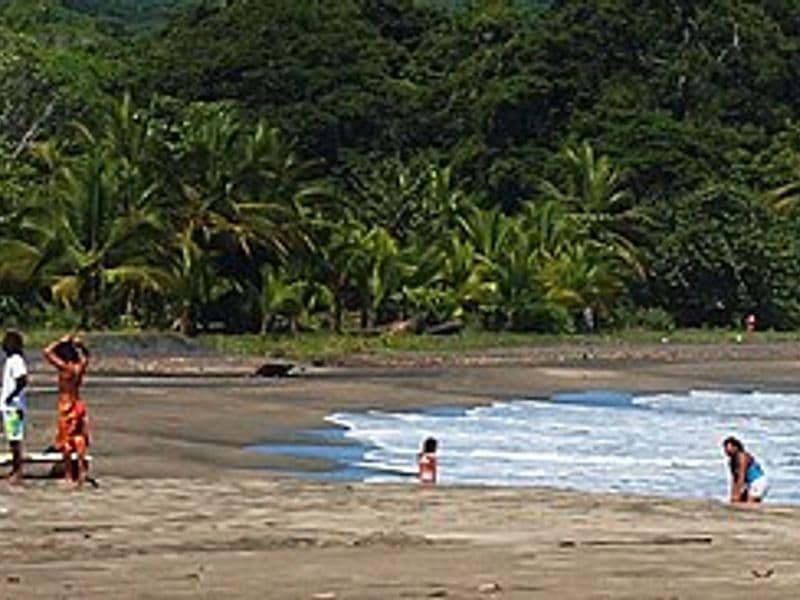
The coastline south of Puerto Viejo town offers a string of beautiful Caribbean beaches accessible by bicycle or car along a paved road. Playa Cocles, approximately 2 kilometers south of town, is the most popular beach in the area — a wide, golden-sand beach backed by jungle, with waves that attract intermediate surfers. The beach is long enough to offer both surf zones and calmer sections for swimming.
Playa Chiquita, further south, is a quieter, smaller beach with more protected conditions and excellent snorkeling around the offshore reef. Playa Punta Uva is widely considered the most beautiful beach in the area and among the finest on Costa Rica's Caribbean coast — a curving bay of white sand fringed by coconut palms, with calm turquoise water ideal for swimming and kayaking. The water clarity here is exceptional on calm days.
At the southern end of the road, Manzanillo village borders the Gandoca-Manzanillo Wildlife Refuge. The beach at Manzanillo is undeveloped and wild, with hiking trails into the refuge's primary forest, a coral reef accessible by snorkeling or scuba, and the chance of encountering nesting sea turtles or dolphins. The refuge is one of the few places in Costa Rica where a Bottlenose dolphin community engages in collaborative fishing with local fishermen.
Beach Safety on the Caribbean Coast
Caribbean coast beaches can have powerful waves and strong currents, particularly during swells. Playa Cocles has a reputation for dangerous rip currents, and several drowning incidents have occurred. Always check current conditions with locals before entering the water, swim within your ability, and never swim alone or at isolated beaches without knowing the conditions. Puerto Viejo town has no lifeguarded beaches; Punta Uva and Manzanillo are generally calmer.
Surfing and Water Sports
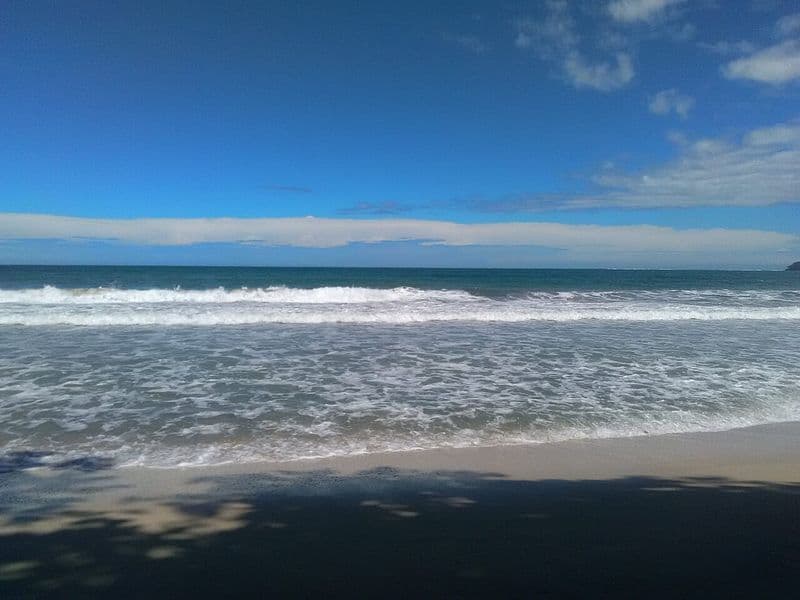
Puerto Viejo is famous in surf circles for Salsa Brava, one of the most powerful and dangerous reef breaks in Central America. The wave breaks over a shallow coral reef near the town's main dock and produces thick, hollow barrels that rival anything in the Caribbean during peak swell events from December through March. Salsa Brava is strictly for expert surfers — the shallow reef and powerful impact zone make it genuinely hazardous for intermediate riders. Reef cuts and injuries are common.
For beginner and intermediate surfers, Playa Cocles provides a more forgiving beach break with consistent waves. Surf lessons are available in town from several surf schools, typically charging $50–$70 per 2-hour session. Board rentals (soft-tops for beginners, shortboards and longboards for more experienced riders) are available from numerous shops along the main street.
Beyond surfing, the area offers excellent snorkeling at Manzanillo reef and around the coral formations near Cahuita. Kayak and stand-up paddleboard rentals are available in Puerto Viejo and at Punta Uva. Scuba diving with operators based in Puerto Viejo provides access to the underwater world of the Gandoca-Manzanillo refuge and Cahuita's protected reef.
Salsa Brava Wave Details
Salsa Brava (which translates roughly as "wild sauce") earns its name from the raw, punishing nature of the wave. The break works best on north swells arriving between October and March, with peak conditions from December through February. The wave can reach 3–4 meters on large swells and breaks in very shallow water over sharp reef. Local surfers who know the break intimately handle it with respect; visiting expert surfers should always observe conditions from shore and consult locals before paddling out.
Wildlife and Nature
Puerto Viejo and the surrounding area offer exceptional wildlife experiences. Howler monkeys are frequently heard (and less often seen) in the forest surrounding the town, waking residents with their distinctive roaring calls at dawn. Spider monkeys and capuchins are present in the wildlife refuge areas. Sloths are commonly spotted in trees throughout the town and along the beach road.
The coral reef at Cahuita National Park, a 45-minute drive north of Puerto Viejo, is the most extensive coral reef on Costa Rica's Caribbean coast and one of the largest in Central America. The reef supports an abundant ecosystem of reef fish, sea turtles, rays, and invertebrates. Snorkeling tours from Cahuita village and from Puerto Viejo provide access, with the stipulation that visitors to the reef in Cahuita National Park are requested to make a voluntary donation at the park entrance.
Sea turtle nesting at Tortuguero (4–5 hours north) is the main Caribbean nesting spectacle, but Puerto Viejo's own beaches receive nesting leatherback sea turtles (the world's largest marine reptile) from February through June, with a smaller number of green turtles nesting from July through October. The ANAI association based in Gandoca manages a community-based sea turtle conservation program offering guided night tours with trained local guides.
Gandoca-Manzanillo Wildlife Refuge
The Gandoca-Manzanillo Wildlife Refuge covers 9,449 hectares of tropical wet forest, mangroves, wetlands, and marine zones extending to the Panamanian border. The refuge is less visited than Corcovado but no less biologically remarkable, protecting jaguars, tapirs, ocelots, manatees, and all four of Costa Rica's sea turtle species. The lagoon at Gandoca is one of the few places in the country where manatees are regularly observed. Guided hikes can be arranged in Manzanillo village.
Culture, Food, and Nightlife
Puerto Viejo's food scene is one of the most distinctive in Costa Rica, reflecting the Caribbean coast's fusion of Afro-Jamaican, indigenous Bribri, and international influences. Rice and beans cooked in coconut milk is the foundational dish, entirely different from the mainland's gallo pinto. Rondon (run-down stew) is a traditional Caribbean dish of coconut milk, root vegetables, and fish or meat that has deep Afro-Caribbean roots. Jerk-seasoned meats, fried fish with patacones (fried green plantains), and fresh ceviche are all widely available.
The town's international community has created a diverse restaurant scene. Miss Lidia's, a long-running institution, serves home-cooked Caribbean food at very reasonable prices. Stashu's Con Fusion offers creative fusion cooking in a garden setting. Koki Beach is the upscale seafood option with Caribbean views. The town also has several bakeries producing Caribbean-style coconut breads and cinnamon rolls.
Nightlife in Puerto Viejo centers on open-air bars along the main street and beachfront. The Stanford Bar, Johnny's Place, and various reggae bars host live music and DJs most nights of the week. The party scene is casual and unpretentious, matching the town's laid-back character.
Chocolate and Cacao Tourism
The Talamanca region is a significant cacao-growing area, and chocolate tourism has become an important part of the local economy. Several farms — including Caribeans Chocolate, Bribri indigenous community farms, and Tirimbina Research Center's affiliated programs — offer farm-to-bar chocolate tours covering cacao cultivation, fermentation, drying, and chocolate-making. These tours are educational, sustainable, and produce excellent artisanal chocolate that makes a unique souvenir.
Getting There and Getting Around
Puerto Viejo is accessed from San José via the Braulio Carrillo highway (Route 32) to Limón, then south on Route 36 through Cahuita. The total drive takes approximately 4–4.5 hours under normal conditions. Direct public buses from San José's Gran Terminal del Caribe run several times daily, taking about 4.5–5 hours and costing approximately $7–$10 each way. Shared shuttle services from San José and major Caribbean stops take about 4 hours and are more comfortable at $40–$50 per person.
Within Puerto Viejo and along the beach road to Manzanillo, bicycles are the preferred and most enjoyable mode of transport. Rentals are available throughout town at $10–$15 per day. The flat terrain and 15-kilometer road between Puerto Viejo and Manzanillo are perfectly suited to leisurely cycling, stopping at beaches along the way. Taxis cover the same route at higher cost but are useful for returning after a long day on the beach.
Border Crossing to Panama
Puerto Viejo is approximately 45 kilometers from the Sixaola-Guabito border crossing into Panama. A bus from Puerto Viejo to Sixaola takes about 1 hour, and the crossing is relatively straightforward for tourists. Panama's Bocas del Toro archipelago, a stunning Caribbean island chain, is accessible from the border, making a Puerto Viejo–Bocas del Toro combination a popular multi-country itinerary.
Frequently Asked Questions
What is Puerto Viejo, Costa Rica known for?
Puerto Viejo de Talamanca is known for its Afro-Caribbean culture and cuisine, the powerful Salsa Brava surf break, beautiful beaches including Punta Uva and Playa Cocles, access to Cahuita National Park's coral reef, indigenous Bribri cacao tours, and a laid-back reggae-influenced atmosphere distinct from Costa Rica's Pacific resorts.
Is Puerto Viejo better than Manuel Antonio?
The two destinations offer very different experiences. Manuel Antonio combines a world-class national park with Pacific beaches and polished eco-lodges, suited to wildlife-focused and family travelers. Puerto Viejo offers a more rustic, culturally rich Caribbean experience with better beaches for swimming at Punta Uva, a stronger surf scene, more reggae culture, and a more adventurous, independent-traveler vibe. Many visitors prefer to include both on a Costa Rica itinerary.
How far is Puerto Viejo from Cahuita?
Cahuita is approximately 40 kilometers north of Puerto Viejo on Route 36, about a 45-minute drive. The two towns are complementary — Cahuita is smaller, quieter, and the gateway to its national park's coral reef, while Puerto Viejo is larger with more restaurants, nightlife, and accommodation options. Many travelers based in Puerto Viejo take day trips to snorkel at Cahuita.
What is the best time to visit Puerto Viejo?
The Caribbean coast's two relatively drier periods (September–October and February–March) offer the best chance of sunny weather, though rain can occur any month. For surfing, December–March brings the largest swells for Salsa Brava. For sea turtle watching, February–June (leatherbacks) and July–October (green turtles) at Gandoca. December through April is peak tourist season with highest prices and most visitors.
Can I cycle between Puerto Viejo and Manzanillo?
Yes, cycling the 15-kilometer paved road from Puerto Viejo to Manzanillo is one of the most enjoyable activities in the area. The flat, shaded road passes all the southern beaches (Cocles, Chiquita, Punta Uva) with opportunities to stop and swim along the way. Bicycle rentals are widely available in Puerto Viejo for $10–$15 per day. The round trip takes 2–4 hours at a leisurely pace with beach stops.