
Puntarenas Costa Rica: The Historic Pacific Port and Gateway to the Gulf
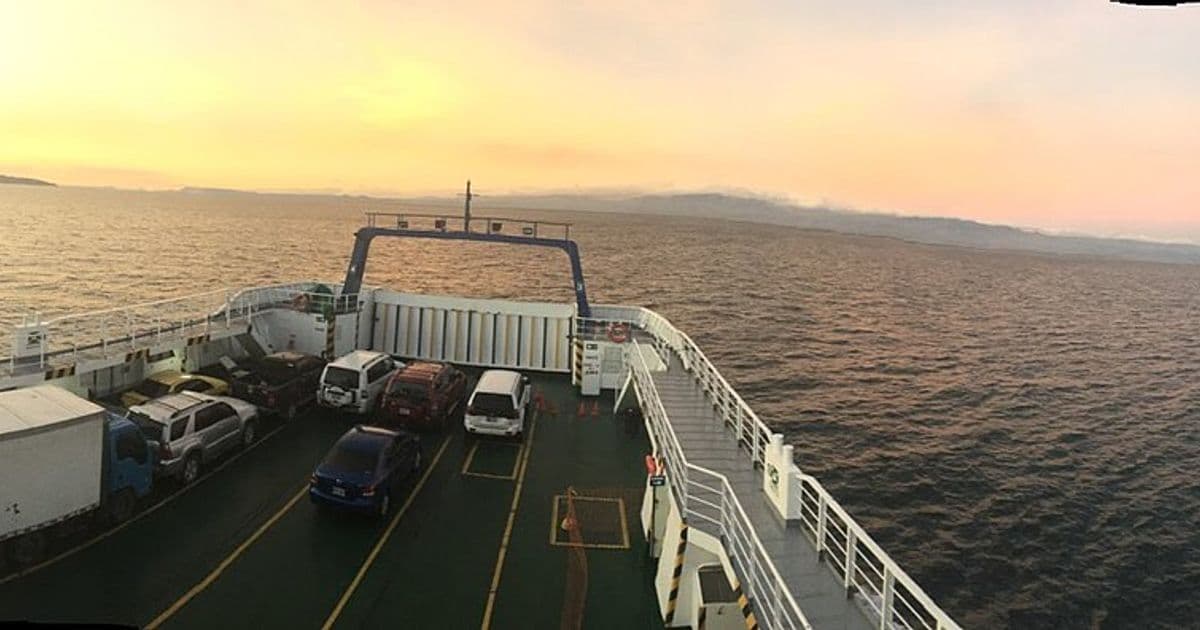
Puntarenas is Costa Rica's main Pacific port city and the capital of Puntarenas Province, one of the country's most geographically diverse and expansive provinces. Built on a narrow sandbar peninsula stretching into the Gulf of Nicoya, the city has served as a critical maritime hub since the colonial era and remains an important transportation gateway, particularly for ferry crossings to the Nicoya Peninsula. Beyond its port function, Puntarenas offers a distinctive coastal character, vibrant seafood culture, and access to some of Costa Rica's most rewarding Gulf island experiences.
Overview of Puntarenas City
Puntarenas city occupies a narrow sand spit roughly 10 kilometers long and less than 1 kilometer wide, making it one of Costa Rica's most unusually shaped urban areas. The name Puntarenas means "sandy point" in Spanish, a direct reference to this geographic formation. The Gulf of Nicoya borders the city to the north, while the Pacific Ocean and the Barranca River estuary define its southern and eastern edges.
The city has a population of approximately 115,000 people and serves as a commercial, administrative, and transport center for the broader province. The local economy is built on fishing, port activities, commerce, and increasingly tourism. Puntarenas has a distinctly working-class character compared to Costa Rica's resort zones, giving it an authentic urban Pacific coastal atmosphere rarely found at more tourist-polished destinations.
Historically, Puntarenas was Costa Rica's most important port through which the country's coffee exports flowed during the 19th and early 20th centuries, before the construction of the Atlantic railroad opened Caribbean ports. This commercial legacy shaped the city's development and explains its still-significant port infrastructure.
Puntarenas Province
Puntarenas Province is the largest in Costa Rica, stretching from the Gulf of Nicoya in the north all the way down to the Panamanian border in the south. The province encompasses dramatically diverse ecosystems including mangroves, tropical dry forests, lowland rainforests, and the Osa Peninsula, making it one of the country's most ecologically varied regions.
Getting to Puntarenas
Puntarenas is approximately 110 kilometers west of San Jose via the General Canas Highway (Route 1) and the Costanera Highway junction. By car from San Jose, the drive takes roughly 1.5 to 2 hours depending on traffic, particularly at the Barranca bridge, which is a common congestion point. Buses from San Jose to Puntarenas depart frequently from the Puntarenas bus terminal near the Coca-Cola market and take approximately 2 hours.
The city is well-connected by road to other Pacific coast destinations. Heading south along the Costanera Highway connects travelers to Jaco, Quepos, Manuel Antonio, and eventually Dominical and the Osa Peninsula. The highway north along the Gulf leads toward the Nicoya Peninsula, though the ferry from Puntarenas is often a faster option than driving the long route around the Gulf.
A commuter train service between San Jose and Puntarenas operated historically and was an iconic Costa Rican institution, though regular passenger service has not been maintained in recent decades. There are occasional discussions about reviving this route as part of broader urban transportation planning.
Distance from San Jose
From San Jose to Puntarenas, the most direct route follows the General Canas Highway west and then the Route 17 connector toward the coast. The total distance is approximately 110 kilometers. Traffic is heaviest on Friday afternoons (outbound) and Sunday evenings (return) as Costa Rican families travel to and from the coast for weekend visits.
The Ferry to Nicoya Peninsula
One of Puntarenas's most important functions is as the departure point for ferries crossing the Gulf of Nicoya to the Nicoya Peninsula. Two main ferry operators, Ferry Peninsular and Naviera Tambor, provide vehicle and passenger service across the Gulf, connecting Puntarenas to Paquera and Naranjo on the Nicoya Peninsula's eastern shore.
The crossing to Paquera takes approximately 70 minutes and is the most popular route for travelers heading to the southern Nicoya Peninsula destinations of Tambor, Montezuma, Mal Pais, and Santa Teresa. The crossing to Naranjo takes about 45 minutes and serves travelers heading to Nicoya city and the northern Nicoya Peninsula.
The ferry is an essential transport link for the Nicoya Peninsula, as driving around the Gulf through Liberia adds several hours to the journey. During Semana Santa (Holy Week before Easter) and peak dry season weekends, wait times for vehicle ferries can exceed 2 to 3 hours, so early arrival is essential. Foot passengers can always board regardless of vehicle queues.
Ferry Schedule and Tips
Ferries to Paquera and Naranjo operate from early morning (around 5:00 AM) until late evening (around 8:00-9:00 PM), with departures approximately every 2 hours. Schedules vary by season and operator, so confirming the current timetable before arriving in Puntarenas is strongly recommended. Ticket purchase is typically on a first-come, first-served basis for vehicles.
Beaches and Waterfront
Puntarenas has a long waterfront promenade called the Paseo de los Turistas that stretches along the southern shore of the peninsula facing the Pacific. This seafront boulevard is lined with restaurants, food stalls, souvenir shops, and shaded benches where locals gather in the evenings for the famous Gulf breeze and sunset views.
The beaches in Puntarenas city itself, particularly Playa Puntarenas, are functional rather than scenic by international standards. The water in the immediate city area receives mixed reviews due to urban runoff, and most visitors use the beach primarily for the local atmosphere rather than swimming. The Paseo is best enjoyed as a cultural experience, watching families promenade, vendors selling ceviche and churros, and children playing in the late afternoon light.
Better swimming beaches are found outside the city along the Gulf of Nicoya's eastern shore, particularly at Doña Ana Beach (Playa Doña Ana) about 8 kilometers from central Puntarenas. This beach is popular with local families on weekends and has calmer, cleaner water than the city beach.
Paseo de los Turistas
The Paseo de los Turistas (Tourists' Walk) is a 2-kilometer oceanfront promenade that serves as the social heart of Puntarenas. On weekends and holidays it comes alive with food vendors selling fresh coconut water, raspados (shaved ice drinks), and seafood cocktails. The area is particularly atmospheric around sunset when the sky over the Gulf turns vivid shades of orange and pink.
Tortuga Island Day Trips
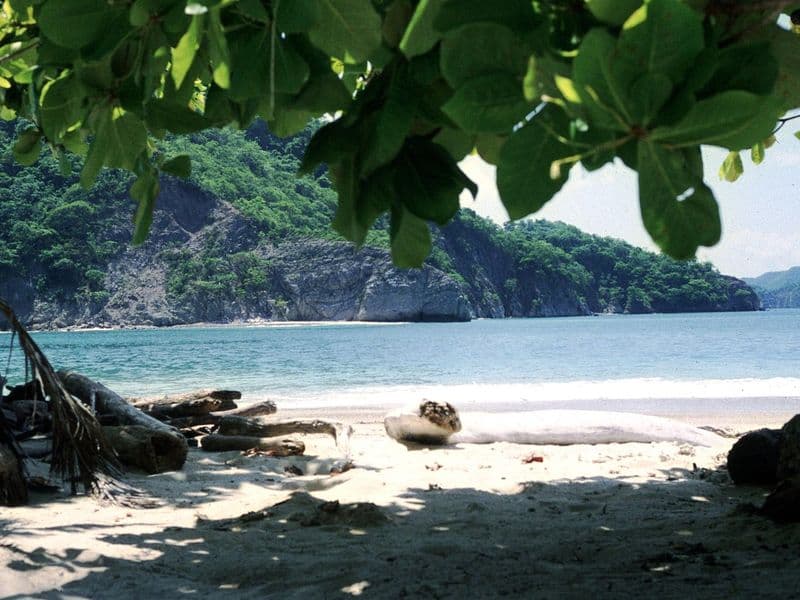
Tortuga Island (Isla Tortuga) in the Gulf of Nicoya is the premier day trip destination from Puntarenas and one of the most popular excursions in all of Costa Rica. Privately owned and managed as a tourist destination, Tortuga Island offers white-sand beaches, clear turquoise waters, snorkeling, kayaking, and a thoroughly tropical island atmosphere rarely found along Costa Rica's murkier Pacific mainland beaches.
Day tours to Tortuga Island depart from the Puntarenas dock and from several Nicoya Peninsula departure points. The boat journey from Puntarenas takes approximately 90 minutes and passes through the Gulf past smaller islands where pelicans, frigatebirds, and occasionally dolphins accompany the trip. Tours typically include breakfast onboard, lunch on the island, snorkeling equipment, and non-motorized water activities.
The beaches at Tortuga Island are among the whitest and most photogenic in Costa Rica. The snorkeling around the island's rocky points reveals abundant reef fish, occasional sea turtles, and interesting marine invertebrates. Zip-lining across the island's forested interior is also available as an add-on activity.
What to Expect on a Tortuga Island Tour
Most Tortuga Island tours run as full-day excursions (approximately 8 AM to 4 PM). They include catamaran or panga transport, an open bar of tropical drinks, a beach barbecue lunch, unlimited snorkeling, kayaking, and free time on the beach. Sunscreen, towels, and water shoes are recommended items to bring. The island has limited shade, so sun protection is essential.
Food and Cuisine in Puntarenas
Puntarenas is synonymous with seafood in the Costa Rican culinary imagination, and for good reason. The city's proximity to the Gulf of Nicoya's fishing grounds means fresh fish, shrimp, squid, and shellfish appear on virtually every menu. The local specialty is mariscada, a hearty seafood soup or stew that showcases the Gulf's bounty.
Ceviche made with fresh corvina (sea bass) marinated in lime juice, cilantro, onion, and sweet pepper is another Puntarenas staple available from both formal restaurants and sidewalk vendors along the Paseo de los Turistas. Churchills, a uniquely Costa Rican dessert consisting of shaved ice topped with powdered milk, sweet syrup, and ice cream, are said to have originated in Puntarenas and remain a city icon.
La Yunta, El Shrimp Shack, and other established seafood restaurants along the waterfront are popular with both tourists and returning Costa Rican visitors. The central market in Puntarenas offers an authentic local food experience with traditional sodas serving casados, aroz con leche, and fresh fruit drinks at modest prices.
Churchills: A Puntarenas Original
The Churchill is a beloved Costa Rican sweet treat that originated in Puntarenas and has spread throughout the country. It consists of a cup or cone of finely shaved ice topped with condensed milk or powdered milk powder, colored syrup (usually red or purple), and a scoop of ice cream. On a hot Puntarenas afternoon, a Churchill is an essential local experience.
Puntarenas Province Beyond the City
Beyond the city of Puntarenas, the province of the same name encompasses some of Costa Rica's most spectacular destinations. Traveling south along the Costanera Highway, visitors reach Jaco (about 80 km south of Puntarenas city), Costa Rica's most developed Pacific beach resort, followed by Quepos and Manuel Antonio National Park.
Continuing south on the Costanera leads to Dominical, Uvita, and the Marino Ballena National Park, where humpback whale watching is extraordinary from July through October and December through March. The southern tip of the province contains the Osa Peninsula with Corcovado National Park and Drake Bay, arguably Costa Rica's wildest and most biodiverse region.
The provincial capital's Gulf of Nicoya location also places it within easy reach of the Curú National Wildlife Refuge on the eastern Nicoya Peninsula, accessible via the ferry to Paquera. Curú is a small but rewarding reserve where scarlet macaws, white-tailed deer, and several monkey species can be reliably observed.
Marino Ballena National Park
Marino Ballena National Park near Uvita, in the southern part of Puntarenas Province, protects a unique whale-tail shaped sandbar that appears at low tide. The park is one of Costa Rica's premier whale-watching destinations, with humpback whales present for extended periods each year. Dolphins, sea turtles, and abundant birdlife make this a must-visit for nature travelers in the region.
Frequently Asked Questions
How far is Puntarenas from San Jose?
Puntarenas is approximately 110 kilometers from San Jose. By car via the General Canas Highway, the drive takes roughly 1.5 to 2 hours. Direct bus service from San Jose's Coca-Cola terminal takes about 2 hours.
What is the ferry from Puntarenas used for?
The Puntarenas ferry provides vehicle and passenger transport across the Gulf of Nicoya to the Nicoya Peninsula. It is the fastest way to reach southern Nicoya Peninsula destinations like Montezuma, Mal Pais, and Santa Teresa, saving several hours compared to driving around the Gulf through Liberia.
Is Tortuga Island worth visiting from Puntarenas?
Yes, Tortuga Island is considered one of Costa Rica's most beautiful beach day trips, featuring white sand beaches, clear water, and excellent snorkeling. Most tours from Puntarenas include the boat journey, meals, drinks, and water activities in an all-inclusive day package.
What food is Puntarenas famous for?
Puntarenas is famous for fresh Gulf seafood, particularly ceviche de corvina, mariscada (seafood soup), and grilled whole fish. The city is also credited with inventing the Churchill, a popular Costa Rican dessert of shaved ice topped with condensed milk, sweet syrup, and ice cream.
Is Puntarenas safe for tourists?
The main tourist areas of Puntarenas, including the Paseo de los Turistas waterfront, the ferry terminal, and established restaurants, are generally safe for visitors. As with any urban area in Costa Rica, standard travel precautions apply: stay aware of surroundings, avoid displaying valuables, and stick to well-populated areas, particularly at night.