
Quepos Costa Rica: The Port Town at the Heart of the Central Pacific
Quepos is a small, lively port town on the Central Pacific coast of Costa Rica, approximately 7 kilometers north of Manuel Antonio National Park. Once dominated by the United Fruit Company's banana operations before a fungal disease destroyed the banana plantations in the 1950s, Quepos reinvented itself as an African palm oil production center and then, gradually, as the primary service town and gateway for one of the most visited national parks in Costa Rica. Today Quepos is a working port with an excellent marina, a thriving sportfishing industry, good restaurants, and a genuine local character that distinguishes it from purely tourist-oriented beach towns.
Quepos Town and the Marina
Quepos town sits on a small bay sheltered by the Quepos headland, with the town center clustered around the central market (the main bus terminal area), several commercial streets, and a seafront malecón. Unlike many Costa Rican beach towns that have been completely transformed by tourism, Quepos retains a working-town character with local markets, budget restaurants, fishing supply shops, and Tico neighborhoods existing alongside tourist infrastructure. This dual character gives Quepos an authenticity that more resort-oriented destinations lack.
The Quepos Marina (Marina Pez Vela) is the largest and most modern marina on the Central Pacific coast, completed in 2012 with berths for over 200 vessels. The marina has transformed the seafront area with a well-designed commercial complex including restaurants, bars, tour operator offices, a fuel dock, and water services for recreational and commercial vessels. The marina is the departure point for virtually all sportfishing charters, whale-watching tours, and recreational boat trips along the Central Pacific coast. The complex's restaurants and bars overlook the boat slips and provide excellent sunset views.
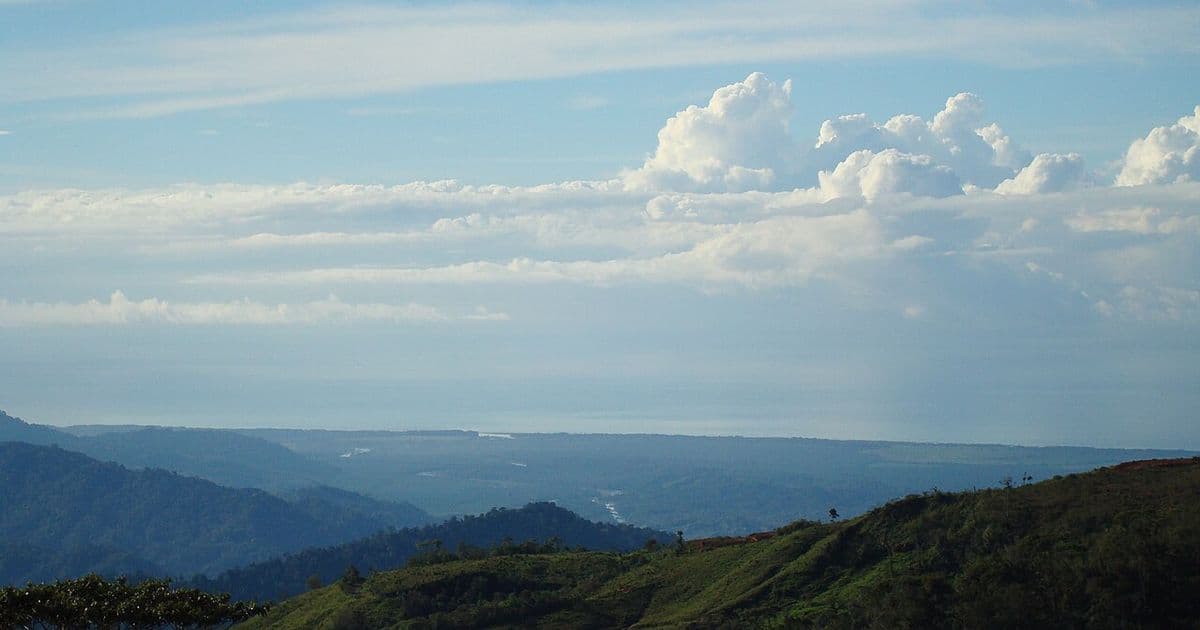
Between Quepos town and Manuel Antonio National Park, a winding 7-kilometer road climbs over a headland with spectacular ocean views before descending to the park entrance. This road corridor contains much of the area's upscale accommodation, international restaurants, boutique shops, and entertainment facilities. Many travelers base themselves along this road rather than in Quepos town itself, within walking distance or a short taxi ride from both the town's practical services and the park entrance. The road also passes several beach access points (including Playa Biesanz and Playa Espadilla) before reaching the national park gate.
The Bananero History
Quepos's history is closely tied to the rise and fall of the United Fruit Company's banana empire in Central America. The company established major banana operations in the Quepos area in the early 20th century, bringing infrastructure, workers, and economic activity to what had been a small fishing settlement. When Panama disease (a Fusarium wilt fungal infection) devastated the Gros Michel banana variety across Central America in the 1950s, the company switched to African palm oil cultivation, transforming the landscape of the Quepos hinterland that remains dominated by African palm plantations to this day.
Manuel Antonio National Park
Manuel Antonio National Park (Parque Nacional Manuel Antonio) is Costa Rica's most visited national park, protecting approximately 6.83 square kilometers of lowland tropical rainforest, transitional forest, white-sand beaches, coral reefs, and offshore islands. Despite being one of the smallest national parks in Costa Rica, Manuel Antonio is considered one of the most biologically diverse areas in the country relative to its size, supporting all four species of Costa Rican monkeys (howler, white-faced capuchin, spider, and squirrel monkeys), two and three-toed sloths, coatis, iguanas, agoutis, and hundreds of bird species.
The park's beaches — Playa Manuel Antonio, Playa Espadilla Sur, and the more remote Playa Biesanz — are among the most beautiful in Costa Rica, combining accessible white sand with the extraordinary backdrop of tropical forest reaching to the water's edge and offshore rocky islands rising from the Pacific. Playa Manuel Antonio, inside the park, features a gentle tombolo (sandbar connecting the mainland to a former island) and calm swimming conditions sheltered by the headland. Wildlife is so accustomed to human presence that monkeys and coatis approach beach visitors in search of food — feeding them is strongly discouraged for both human safety and the animals' wellbeing.
The park's trail system, though limited in extent due to the park's small size, provides access to excellent wildlife viewing. The Perezoso (Sloth) trail and the longer Punta Catedral circular trail that circumnavigates the rocky promontory offer the best wildlife encounter opportunities. Punta Catedral's viewpoints overlook both beaches and the offshore islands (Isla Mogote and the Farallon Islands) that serve as roosting sites for brown boobies, magnificent frigatebirds, and other seabirds. Park entry is limited to a daily visitor maximum; advance online reservations are essential during peak season as the park frequently reaches capacity by mid-morning.
Park Entry and Reservations
Manuel Antonio National Park requires advance online reservations for entry tickets through the SINAC (National System of Conservation Areas) website. The park is open Tuesday through Sunday (closed Mondays) from 7:00 AM to 4:00 PM. Daily visitor numbers are capped, and the park frequently reaches capacity on busy holiday weekends and during peak season (December–April). Booking tickets one to two weeks in advance is strongly advised. Hiring a certified park naturalist guide, bookable through local tour operators in Quepos, dramatically improves wildlife sightings and understanding of the park's ecosystems.
Sportfishing from Quepos
Quepos is one of the premier sportfishing destinations in the Americas, consistently ranked among the top locations in the world for offshore big-game fishing. The underwater topography off the Central Pacific coast — with deep-water canyons and underwater ridges close to shore — concentrates baitfish that attract large pelagic species in significant numbers. The Pacific sailfish is the signature target species, and the waters off Quepos are considered among the world's finest sailfish fisheries, with multiple releases per day not uncommon during peak season from November through April.
Other offshore species regularly caught and released (most sportfishing in Costa Rica is catch-and-release) include blue marlin, black marlin, striped marlin, yellowfin tuna, mahi-mahi (dorado), wahoo, and the occasional swordfish. Inshore fishing targets roosterfish, jack crevalle, snook, cubera snapper, and the prized guapote (rainbow bass) in the nearby river mouths and estuaries. The Quepos Marina is home to dozens of licensed charter boats ranging from small center-consoles for inshore fishing to large, well-equipped offshore sportfishing vessels with fighting chairs, outriggers, and fish finders.
Charter prices vary considerably with vessel size, duration, and captain reputation. Half-day inshore trips start at approximately $400–600 USD for up to four anglers; full-day offshore trips for sailfish and marlin typically run $1,000–1,800 USD for up to four anglers. Serious blue and black marlin fishing on premium boats can cost considerably more. Several charter operators offer fishing packages that include accommodation at partner hotels, making Quepos convenient for dedicated fishing trips. The December to April dry season is peak sailfish season; marlin fishing is often best from May through August; and yellowfin tuna is productive year-round.
The Quepos Fishing Tournament
Quepos hosts the annual Marina Pez Vela International Sportfishing Tournament, one of the premier fishing competitions on the Pacific coast of the Americas. The tournament attracts teams from around the world competing for prizes in offshore and inshore categories. The event, typically held in January, brings significant economic activity to Quepos and showcases the area's exceptional sportfishing conditions to an international audience of anglers, sponsors, and media. The marina's state-of-the-art facilities provide excellent infrastructure for the tournament's large fleet of competing vessels.
Restaurants and Nightlife
Quepos and the Manuel Antonio road corridor offer an excellent dining scene that serves both the local fishing and working population and the international tourist community visiting the national park. The range spans from inexpensive local sodas in Quepos town serving traditional gallo pinto and casados to upscale restaurants on the hilltop road with ocean views and wine lists.
El Patio de Café Milagro, an institution on the road between Quepos and the park, serves creative tropical cuisine combining local ingredients with international techniques and has a devoted following. La Luna in the Gaia Hotel features one of the most romantic settings in the region with terrace seating overlooking the forest and ocean. Barba Roja is a long-running landmark halfway up the hill with excellent seafood, tropical cocktails, and spectacular sunset views. The Quepos Marina's restaurant complex includes several options including the well-regarded Agua Azul restaurant overlooking the boat slips.
Quepos town proper has a more local character in its dining scene. The Mercado Municipal (town market) area has traditional sodas and the daily farmer's market. Budget travelers eat well at local eateries where a full casado costs under $6 USD. The bar scene in Quepos includes Wacky Wanda's, a longstanding gringo favorite, and several sports bars catering to sportfishing crews and local residents. On the Manuel Antonio road, the Billfish Sportbar & Grill is popular with anglers and tourists alike for its lively atmosphere, good burgers, and satellite sports coverage.
The Manuel Antonio Road Strip
The winding road between Quepos and the Manuel Antonio park entrance is the primary restaurant and entertainment corridor for the area. Spectacular ocean and forest views from elevated sections of the road have attracted a concentration of restaurants and bars taking advantage of the scenery. Several boutique hotels along this road operate their own restaurants open to non-guests. Evening dining along this strip, watching the sunset over the Pacific while howler monkeys call in the forest below, is a quintessential Central Pacific Costa Rica experience.
Adventures and Day Trips
Quepos and the Manuel Antonio area offer a comprehensive adventure tourism menu beyond the national park and sportfishing. White-water rafting on the Río Savegre, which descends from the Talamanca mountains through pristine forest to the Pacific near Quepos, is considered the premier rafting experience on the Central Pacific. The Savegre offers Class III and IV rapids through a spectacular canyon with primary forest on both sides, excellent bird watching during calm sections, and the chance to spot the resplendent quetzal in the upper reaches during nesting season (February–April).
Whale watching is outstanding in the Manuel Antonio area, particularly from July through October when North Pacific humpback whales arrive (having spent their summer in Alaska and Canada) and again from December through March when South Pacific humpback whales arrive from Antarctica. This overlap creates the longest whale-watching season in the world — approximately eight months of reliable humpback encounters. Several boat tour operators from Quepos Marina offer dedicated whale watching excursions with naturalist guides. Dolphins — spotted dolphins, spinner dolphins, and bottlenose dolphins — are present year-round offshore.
Kayaking tours along the coastline and through the sea caves and offshore islands of Manuel Antonio provide excellent wildlife encounters, including the chance to see nesting seabirds on the offshore islands at close range. Zip-lining tours in the hills above Manuel Antonio provide canopy views over the national park and the Pacific. Horseback riding through the African palm plantations and forest-edge habitats north of Quepos encounters local bird species and provides a glimpse into the agricultural landscape of the Central Pacific hinterland.
Río Savegre: Birding and Rafting
The Río Savegre watershed above Quepos is one of the most important biological corridors in Costa Rica, connecting lowland Pacific coast habitats with the high-altitude Talamanca cloud forests. The river's upper valley near San Gerardo de Dota is world-famous for resplendent quetzal sightings during the February–April fruiting season of the aguacatillo trees that quetzals feed on. Birding tours from Quepos to San Gerardo de Dota (approximately two hours up the mountain) can be combined with coffee tours in the Dota valley to create excellent full-day excursions combining culture and nature.
Getting to Quepos and Practical Tips
Quepos is most conveniently reached from San José via the Costanera Sur (Route 34), the excellent coastal highway running south along the Pacific. The drive from San José to Quepos is approximately 175 kilometers and takes about three hours under normal traffic conditions. Departing San José in the morning before 7:00 AM or after 9:00 AM helps avoid the metropolitan traffic that congests the western exits of the city. The Costanera Sur is a well-paved, well-maintained highway that provides dramatic views of the Central Pacific rainforest and coastline.
Domestic flights connect Quepos's La Managua Airport (code XQP) with San José (Juan Santamaría Airport, SJO) in approximately 30 minutes on Sansa Airlines. Flights operate multiple times daily and are a particularly convenient option for those with limited time, allowing a morning flight with arrival in time for the national park by mid-morning. Shared shuttle services from San José, La Fortuna, Monteverde, Jacó, and other destinations are operated by Gray Line and Interbus. Public buses from San José's Coca-Cola terminal also serve Quepos directly in approximately four hours.
Accommodation in the Quepos/Manuel Antonio area spans from backpacker hostels in Quepos town (from approximately $15 USD per night) to ultra-luxury boutique hotels along the Manuel Antonio road. The Gaia Hotel and Reserve at the upper end of the Manuel Antonio hill is one of the finest small luxury hotels in Costa Rica. Mid-range options are numerous along the road. Quepos town has the most budget-friendly options and a more local-feeling atmosphere. During Christmas, Easter, and major Costa Rican holiday weekends, accommodation throughout the area fills completely; bookings three to six months in advance are recommended for those periods.
Getting Around Quepos
Within the Quepos and Manuel Antonio area, local taxis (shared red taxis on the Quepos-Manuel Antonio route) run frequently and are inexpensive, charging approximately $4–6 USD per person for the 7-kilometer ride between town and the park. Private taxis from hotels to the park are somewhat more expensive. Renting a bicycle is a pleasant option for the Manuel Antonio road, though the hill is significant and the traffic can be congested during peak hours. A car provides maximum flexibility for exploring beyond the Quepos corridor but is not necessary for most Manuel Antonio-focused visits.
Frequently Asked Questions
Is Quepos or Manuel Antonio better to stay in?
It depends on your priorities. Quepos town offers more local character, lower prices, good restaurants within walking distance, and a more authentic Costa Rican atmosphere. Staying along the Manuel Antonio road between Quepos and the park gives you the best of both — proximity to the park (avoiding morning taxi waits), spectacular ocean views, excellent restaurants, and easy access to Quepos town. The park itself has no accommodation inside its boundaries. Most travelers staying multiple nights find that the road between Quepos and the park is the sweet spot.
Is Manuel Antonio National Park worth visiting?
Absolutely. Manuel Antonio is one of the best places in Costa Rica to see wildlife reliably, including all four species of monkey, sloths, coatis, iguanas, and hundreds of bird species. The park's beaches are among the most beautiful in Costa Rica. Even experienced naturalists find the wildlife density remarkable. The main consideration is that Manuel Antonio requires advance ticket reservations (online) and can feel crowded during peak season. Hiring a certified guide dramatically enhances the experience by helping locate wildlife that self-guided visitors often walk past.
What is the best time to visit Quepos and Manuel Antonio?
The Central Pacific has a more year-round character than northern Guanacaste. The dry season (December–April) brings reliable sunshine and is peak season with higher prices and more visitors. The rainy season (May–November) offers lower prices, lush greenery, and the arrival of North Pacific humpback whales (July–October). The absolute peak of wildlife activity in the park is year-round, but December through March also brings South Pacific humpbacks for whale watching. Many experienced visitors rate October as a particularly good month — whale watching season is active, prices are lower, and visitor numbers are reduced.
Is sportfishing in Quepos good year-round?
Quepos offers excellent sportfishing year-round, though different species peak in different seasons. Pacific sailfish are most abundant from November through April (dry season). Blue and black marlin are best from May through August. Yellowfin tuna and mahi-mahi (dorado) are available year-round. Inshore species including roosterfish and snook are good year-round with peaks depending on species. The Marina Pez Vela has dozens of licensed charter operators for half-day to multi-day trips at various price points.
How do I get a ticket for Manuel Antonio National Park?
Tickets for Manuel Antonio National Park must be purchased in advance online through the official SINAC (National System of Conservation Areas) website. The park is closed on Mondays. Entry is capped at a daily visitor maximum, and the park frequently sells out during peak season weekends and holidays. Booking one to two weeks in advance is recommended during December through April. Tickets include a specific entry time slot. Hiring a certified guide (bookable through tour operators in Quepos) requires a separate arrangement but can be coordinated to coincide with your entry slot.