
Santa Teresa Costa Rica: Surf Town Life on the Nicoya Peninsula
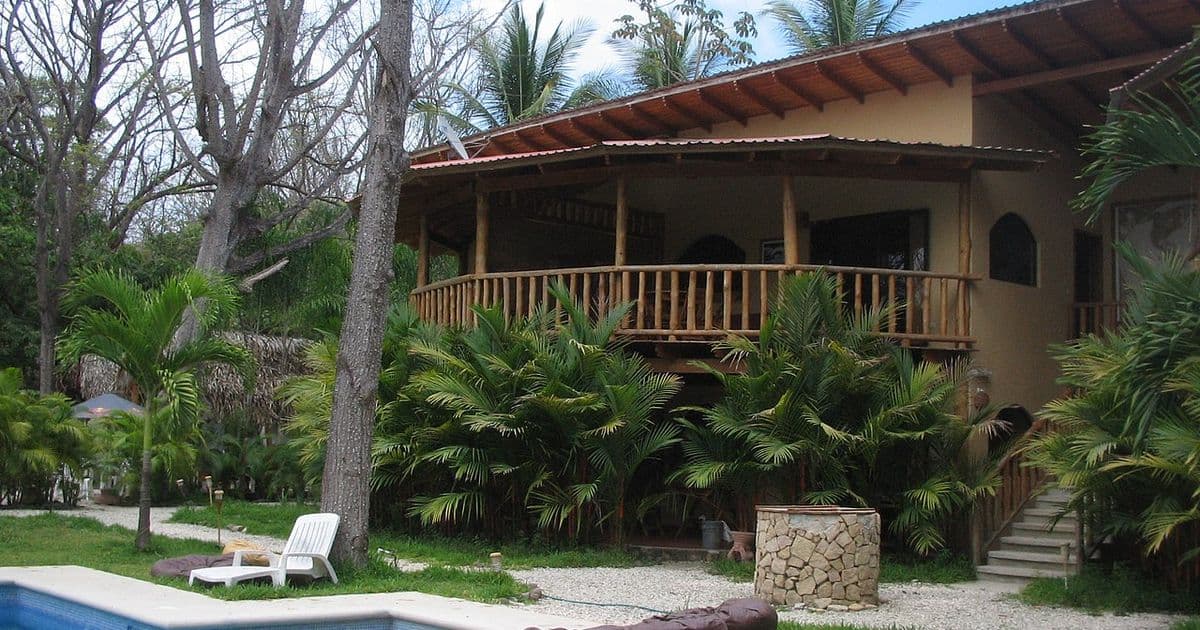
Santa Teresa is a sun-soaked beach community on the southwestern tip of the Nicoya Peninsula in Puntarenas province, stretching north from the village of Cabuya through Mal País, Santa Teresa, and up to Carmen — a linear ribbon of beach road that many travelers simply call "Santa Teresa." Once a quiet fishing village, it has evolved into one of Costa Rica's most stylish and internationally recognized surf towns, attracting professional surfers, digital nomads, yoga practitioners, and travelers seeking a beautiful, energetic beach without the resort-hotel uniformity of more developed destinations.
Santa Teresa's Beach and Surf Scene
The beach at Santa Teresa is a long, gorgeous sweep of dark-gold sand backed by lush vegetation, with consistent surf breaking over sand and rock bottoms. The waves here are powerful and fast, generally more suitable for intermediate to advanced surfers than for complete beginners, though there are gentler sections near Carmen and the area's several surf schools cater to all levels. The peak surf season runs from May through November when consistent northwest swells produce waves averaging two to four meters, but good surf is possible year-round.
Santa Teresa is home to several world-class surfers and has hosted major surf competitions including legs of the World Surf League Qualifying Series. The wave at Playa Hermosa (within the Santa Teresa zone, not to be confused with other Hermosa beaches in Costa Rica) is particularly revered, offering a powerful beach break that can produce excellent barrels on the right swell and tide combination. The area's surf community is international and welcoming, with surfers from Brazil, Argentina, Australia, Europe, and North America making up a significant portion of both the resident and visiting population.
Beyond surfing, the beach is used for morning runs, sunset walks, and beach yoga sessions. The natural environment of the beach is protected in part by community norms — plastic bag use is minimal, the sand is kept relatively clean, and the vegetation behind the beach line is largely intact. Tide pools at the rocky points north and south of the main beach reveal sea stars, hermit crabs, small fish, and other marine life during low tides. Snorkeling around the rocks at Cabo Blanco Marine Reserve, at the southern tip of the peninsula, reveals healthy coral and diverse reef fish species.
Surf Schools and Rentals
Dozens of surf schools and board rental shops operate along the Santa Teresa road. Good schools include Pura Vida Adventures, Malpais Surf Camp, and Delfines Surf & Yoga Resort, among others. Boards of all types (longboards for beginners, shortboards, fish shapes, and funboards) are available for rent by the day or week. Lessons typically include board and rash guard, and experienced instructors assess conditions carefully before deciding where on the beach to hold lessons based on the day's swell, tide, and wind.
The Town Layout: Mal País, Santa Teresa, and Carmen
Understanding Santa Teresa's geography helps travelers orient themselves. The area is not a single town but rather a stretch of coastline approximately 8 kilometers long with several distinct zones that blend together. Starting from the south, Mal País (literally "bad country," referring to the rough terrain early settlers found) is the southernmost and quietest section, with a calmer beach bay, the entrance to Cabo Blanco Nature Reserve, and a concentration of upscale villas and boutique properties in the hills and forest above the coast.
Moving north, Mal País transitions into Santa Teresa itself — the most developed and energetic section, with the highest concentration of restaurants, surf shops, yoga studios, hotels, and nightlife along the main road (a partially paved, partially dirt track lined with businesses). The surf here is the most popular, and the road can get dusty and bumpy. A bypass road runs parallel inland and is somewhat smoother for cyclists and pedestrians. Continuing north, the community of Carmen is slightly more residential and quieter, with a mix of local families and expat residents sharing the neighborhood with tourism businesses.
The physical address system in Santa Teresa is essentially nonexistent — businesses are described by their position on the road ("on the main road, 200 meters north of the soccer field") or by landmarks. First-time visitors often find navigation confusing, and downloading detailed offline maps or asking accommodation staff for landmark-based directions upon arrival is advisable. Despite the rough road conditions, many people get around by bicycle, motorcycle, or ATV — a culturally characteristic mode of transport in Santa Teresa that contributes to the town's free-spirited atmosphere.
Cabo Blanco Nature Reserve
At the very southern tip of the Nicoya Peninsula, just a few kilometers from Mal País, lies Cabo Blanco Absolute Nature Reserve — Costa Rica's first protected area, established in 1963 through the advocacy of Danish-Costa Rican couple Olof Wessberg and Karen Mogensen. The reserve protects pristine tropical dry forest and a marine zone with excellent snorkeling over coral reefs. Two trails access the interior and the stunning beaches of Playa Cabo Blanco and Playa Balsita, accessible only on foot through the reserve. The park is open Wednesday through Sunday.
Yoga, Wellness, and Fitness
Santa Teresa has developed a significant yoga and wellness scene that complements its surf culture naturally. The combination of physical ocean sports, warm climate, fresh air, and access to healthy food creates an environment where wellness practices thrive. Several dedicated yoga retreat centers operate in the area, offering daily drop-in classes, week-long retreats, and yoga teacher training programs.
Pranamar Villas and Yoga Retreat is one of the most established, featuring daily yoga classes in an open-air ocean-view shala, organic food, and individual villas in a garden setting. Casa Zen combines affordable accommodation with yoga classes and meditation sessions and has long been a favorite of budget-conscious wellness travelers. Blue Spirit Retreat Center, located just north of Nosara on the Nicoya Peninsula, draws participants for intensive multi-day programs combining yoga, meditation, and other contemplative practices, though it is technically closer to Nosara than Santa Teresa.
Beyond yoga, the wellness offerings in Santa Teresa include surf therapy programs, fitness bootcamps on the beach, massage and bodywork practitioners, meditation circles, and holistic health consultations. The food culture reflects these interests, with smoothie bars, acai bowl shops, organic cafes, and restaurants using locally sourced ingredients. Several nutritionists and health coaches have established practices serving the community of long-term residents and retreat participants. The fitness culture here tends to be authentic and community-driven rather than commercialized.
Morning Routine Culture
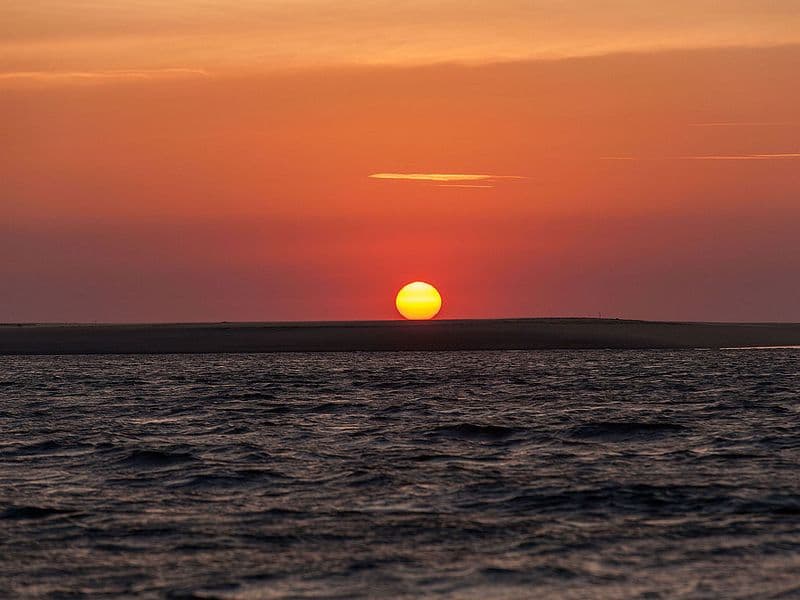
The typical morning routine in Santa Teresa reflects the community's wellness ethos: early sunrise sessions on the beach, either surfing or yoga, followed by a healthy breakfast at one of the area's excellent cafes. By 7:00 AM the surf lineup is already active, and yoga classes at most studios begin between 7:00 and 8:00 AM to take advantage of the cooler morning temperatures. This early-morning active culture is a defining characteristic of Santa Teresa that differs from more party-oriented beach towns.
Restaurants, Cafes, and Nightlife
Santa Teresa's food scene punches well above its weight for a small beach town. The density of excellent restaurants and the cosmopolitan nature of the resident and visitor community have created a genuinely diverse culinary landscape. Koji's is a beloved institution serving Japanese-influenced food and sushi that draws long lines during peak season. Mary's Restaurant serves fresh seafood in a no-frills beachside setting that epitomizes casual Santa Teresa dining. Koji's owner also runs Drift, a more upscale dinner spot with creative cocktails and an international menu.
For breakfast and daytime eating, the options are outstanding. Soda Piedra Mar serves traditional Costa Rican casados alongside fresh juices to a mixed crowd of locals and surfers. The Bakery (part of the Pranamar resort) produces excellent fresh bread, pastries, and healthy breakfast bowls. Zwart Coffee is one of several specialty coffee shops serving high-quality Costa Rican single-origin espresso drinks. The Clandestine, a creative cocktail and dinner concept, has earned a devoted following for its imaginative food and drink combinations.
Nightlife in Santa Teresa is more relaxed than in some Costa Rican beach towns, reflecting the surf-and-wellness culture where most people want to be in bed early enough to catch the morning waves. La Lora Amarilla bar and La Mariposa are popular gathering spots for sundowners and casual evening socializing. Occasional live music and DJ nights happen at various venues, and the beach sometimes hosts informal bonfires during special occasions. The Otro Lado bar draws a lively crowd on weekends. Overall, the nightlife is accessible and fun without being loud or raucous.
Grocery Shopping and Self-Catering
For travelers staying in vacation rentals (which are numerous in Santa Teresa), grocery shopping is done at several mini-supermarkets along the main road. These carry a reasonable selection of fresh produce, dairy, pantry items, and household goods, though the variety is less than in a major city. A weekly produce market operates on certain days, and artisan food producers sell homemade items including fresh cheese, bread, and preserves. Bringing some specialty items from San José or Liberia is advisable for longer stays, as prices for imported goods are notably higher in Santa Teresa.
Day Trips and Activities
Santa Teresa's location at the southern tip of the Nicoya Peninsula means that some activities requiring significant travel within Costa Rica are not practical as day trips from here. However, the local and nearby area offers plenty of excellent excursions. The most popular is visiting Cabo Blanco Nature Reserve for hiking and snorkeling. Boat trips to Isla Tortuga in the Gulf of Nicoya offer snorkeling, swimming, and a catamaran experience with stunning views of the peninsula coastline. Several operators run these tours, typically including lunch and tropical fruit.
ATV and 4WD tours to hidden beaches accessible only by rough road are popular among adventure seekers. Montezuma, a charming small beach town about 15 kilometers east of Santa Teresa (accessible by a challenging road or via a short coastal path), has a beautiful waterfall with natural swimming pools just 20 minutes' walk from town, and a lively bohemian character quite different from Santa Teresa's surf vibe. Ziplining operations in the hills above Santa Teresa offer views of the Pacific Ocean and the surrounding forest canopy. Sportfishing charters depart from the small marina area in Mal País, targeting marlin, dorado, and wahoo offshore.
Horseback riding through the surrounding hills and forests is offered by several operators and provides access to viewpoints and terrain not reachable on foot. Yoga day retreats at various studios provide an excellent day off from surfing for rest and recovery. For the most adventurous travelers, multi-day trips to Corcovado National Park on the Osa Peninsula can be organized from Santa Teresa via Puerto Jiménez, though the logistics are complex and the travel time is substantial (approximately six to eight hours including ferry and driving).
The Montezuma Waterfall
The Montezuma Waterfall (Cascada de Montezuma) is one of the most spectacular natural features accessible from Santa Teresa. Located a 15–20 minute drive east followed by a 20-minute walk through forest, the waterfall drops in three tiers through a narrow gorge into deep natural pools perfect for swimming. The lower pool is the most accessible; ropes allow swimmers to climb up to a higher pool. Visiting in the morning before the daily tourist rush provides a more peaceful experience. A guided hike to the upper tier waterfall is more challenging but rewards with fewer visitors and dramatic scenery.
Getting to Santa Teresa
Santa Teresa's remote location at the tip of the Nicoya Peninsula means that getting there requires some effort regardless of transport mode. The most popular route from San José involves taking the Puntarenas ferry across the Gulf of Nicoya to Paquera (approximately 1.5 hours on the ferry) and then driving the remaining 75 kilometers to Santa Teresa (about 1.5 to 2 hours, partially unpaved). The total journey from San José is typically five to six hours. The ferry departs from the Puntarenas ferry terminal and reservations are advisable during peak season for vehicle passage.
An alternative land route goes through Liberia and the Nicoya Peninsula without a ferry, but this adds considerable distance and is significantly longer — plan for six to eight hours from San José. A 4WD vehicle is essential for either route's final approaches to Santa Teresa. Domestic flights to Cobano airport (the nearest airstrip, about 7 kilometers from Santa Teresa) are operated by Sansa Airlines from San José, cutting the journey to about 40 minutes in the air followed by a short taxi or rental car transfer. This is by far the most time-efficient option and worth considering for travelers with limited time.
Shared shuttle services from San José and major tourist destinations are available through Gray Line and Interbus. These combine road transport with the ferry and drop passengers at their accommodations. Budget travelers can take public buses from San José's Coca-Cola terminal to Puntarenas, then the ferry to Paquera, then a local bus to Cobano and onward to Santa Teresa — a lengthy but very inexpensive option. Taxis from Cobano to Santa Teresa cost approximately $10–15 USD for the final leg.
The Puntarenas Ferry
The Naviera Tambor (or Ferry Peninsular) ferry service between Puntarenas and Paquera is an essential link for road travelers heading to the southern Nicoya Peninsula. The car ferry takes approximately 1 hour 15 minutes and operates several crossings daily beginning at 5:00 AM. During peak season and holiday weekends, lines of vehicles waiting for the ferry can extend several hours — arriving early or making reservations is strongly advised. The ferry crossing itself is scenic, passing through the Gulf of Nicoya with views of the Nicoya Peninsula hills and occasional dolphin sightings.
Frequently Asked Questions
Is Santa Teresa better for surfing or Nosara?
Both destinations offer excellent surfing, but they suit different surfer profiles. Santa Teresa's waves tend to be more powerful and faster, making it better for intermediate to advanced surfers. Nosara's Playa Guiones has gentler, more forgiving waves that are better suited for beginners and those learning. Santa Teresa has a more international, social atmosphere with a stronger restaurant and nightlife scene; Nosara tends to be quieter and more wellness-focused. Both have excellent surf schools and yoga studios.
How do I get from San José to Santa Teresa?
The most common route is driving or taking a shuttle from San José to Puntarenas, then taking the car ferry to Paquera (about 1.5 hours), then driving or bussing to Santa Teresa (about 1.5–2 hours on partially unpaved roads). Total journey time is 5–6 hours from San José. The fastest option is a domestic Sansa Airlines flight to Cobano airport (about 40 minutes), followed by a short taxi to Santa Teresa. A 4WD vehicle is essential for the road sections near Santa Teresa.
Is Santa Teresa expensive?
Santa Teresa is on the more expensive end of Costa Rican beach destinations due to its remoteness (goods cost more to transport there) and its popularity with international travelers who drive up market prices. Budget travelers can still find affordable options — local sodas serve cheap traditional meals, there are hostels and budget guesthouses, and self-catering in a rental helps reduce costs. However, compared to less-developed areas of Costa Rica, expect to pay more for accommodation, dining, and goods in Santa Teresa, particularly during peak season.
What is Cabo Blanco Nature Reserve?
Cabo Blanco Absolute Nature Reserve is located at the very southern tip of the Nicoya Peninsula, about 3 kilometers from Mal País. It was Costa Rica's first protected natural area, established in 1963. The reserve protects pristine tropical dry forest, rocky headlands, and a marine zone with coral reefs ideal for snorkeling. Two trails access the beautiful beaches of Playa Cabo Blanco and Playa Balsita through the forest. The park is open Wednesday through Sunday, closed Monday and Tuesday to allow the ecosystem to rest.
Is Santa Teresa safe for tourists?
Santa Teresa is generally considered safe for tourists. Like any tourist destination in Costa Rica, petty theft (particularly from vehicles and from the beach while swimming) is the main concern. Leave valuables locked in your accommodation or the hotel safe rather than in parked vehicles or on the beach. The community is small enough that most people know each other, and there is a general sense of community watch. Road accidents involving motorcycles, ATVs, and pedestrians on the rough main road are actually a more common hazard than crime — exercise caution while driving or walking.