
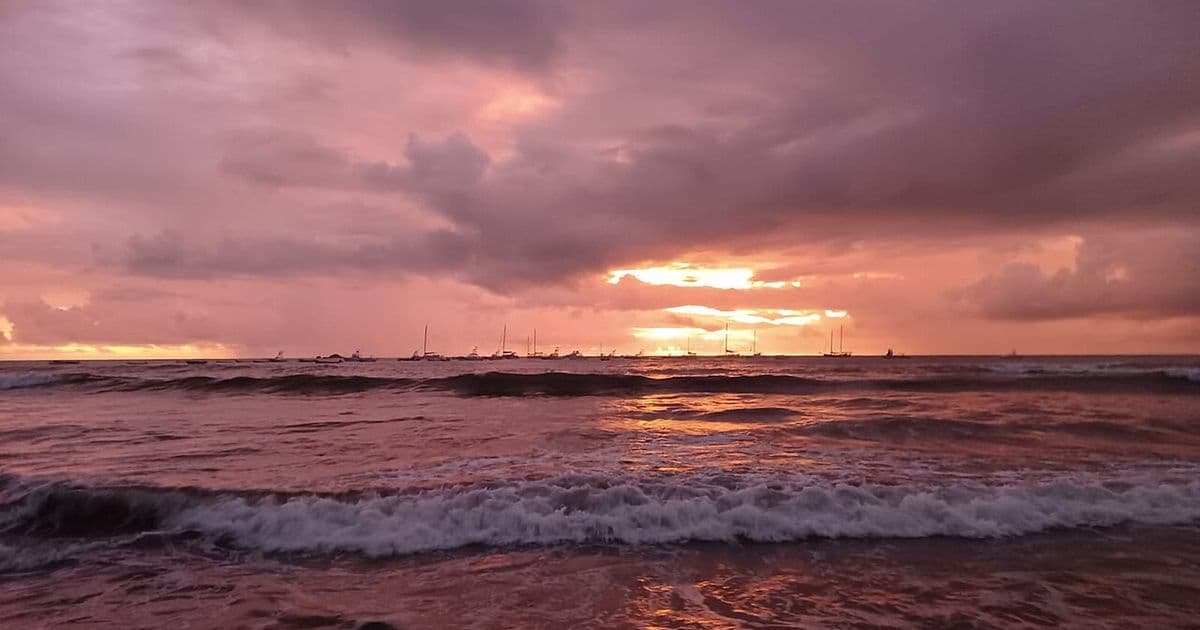
Tamarindo Costa Rica: Guanacaste's Most Vibrant Beach Town
Tamarindo is the most developed and energetic beach town in Guanacaste province, located on the northwestern Pacific coast of Costa Rica about 75 kilometers southwest of Liberia. With a permanent international community, a dense concentration of surf schools, restaurants, bars, boutique hotels, and tour operators, Tamarindo offers a level of convenience and social energy that makes it the most accessible beach destination in Costa Rica for first-time visitors — while the beach, wildlife, and surf that originally drew travelers here remain genuinely spectacular.
Tamarindo Beach and Surf
Tamarindo's beach is a 2-kilometer arc of golden sand facing northwest into the Pacific, fronted by the Tamarindo estuary to the south and the rocky point of Punta Tamarindo to the north. The beach is easily accessible with a wide malecón-style path running parallel and lined with restaurants, surf shops, and accommodation. The combination of easy access, reliable waves, and extensive tourist infrastructure has made Tamarindo the most popular surf destination in Guanacaste.
The waves at Tamarindo are primarily beach break with some point and reef influence at the northern end near Punta Tamarindo. The surf is generally considered intermediate-friendly — not as gentle as Samara but not as powerful as Santa Teresa. Several consistent peaks break along the beach, and the surf school scene is enormous, with literally dozens of operators offering lessons daily. The best surfing is during the rainy season (May–November), but the dry season also produces rideable waves and is the most popular time for visitors.
The Tamarindo estuary at the south end of the beach is home to American crocodiles (Crocodylus acutus) that can be seen basking on the mudbanks — a popular wildlife viewing opportunity that is visible from the road bridge or by organized boat tour. The estuary system also hosts herons, kingfishers, roseate spoonbills, and other waterbirds. North of the main Tamarindo beach, a short walk or boat ride crosses the estuary to reach Playa Grande, a longer, wilder beach that is one of Costa Rica's most important leatherback sea turtle nesting sites.
Learn to Surf in Tamarindo
Tamarindo's surf school industry is one of the most developed in Costa Rica. Schools like Tamarindo Surf School, Witch's Rock Surf Camp, Blue Trailz, and many others offer group and private lessons for all levels. Most schools include board and rash guard in the lesson fee and assess each student's ability before placing them in appropriate wave conditions. Tamarindo's location also provides excellent access to nearby breaks for intermediate and advanced surfers: Playa Langosta (a 15-minute walk south), Avellanas (30 minutes by car), and Negra (40 minutes) are legendary breaks that day trips can access.
Wildlife: Sea Turtles and Las Baulas
One of the most extraordinary wildlife experiences near Tamarindo is witnessing the nesting of leatherback sea turtles at Playa Grande, just across the estuary from Tamarindo. Leatherback turtles (Dermochelys coriacea) are the world's largest reptiles, reaching up to 900 kilograms, and nest on Playa Grande between October and March during the dry season's transition. The beach is protected as part of the Las Baulas National Marine Park (Parque Nacional Marino Las Baulas), established specifically to protect this critical nesting habitat.
Nightly guided turtle watches are organized by Las Baulas park rangers and authorized guides who take small groups to the beach after dark. Witnessing a massive leatherback hauling herself up the beach to lay eggs — a process that takes one to two hours — is one of the most moving wildlife experiences in Costa Rica. Artificial lighting near the beach is carefully controlled to avoid disorienting nesting turtles, and red-filtered flashlights are the only permitted lights during turtle watches. The number of nesting leatherbacks at Playa Grande has declined significantly over the decades due to historic poaching, fisheries bycatch, and habitat pressure, making the remaining nesting population precious and the conservation work of Las Baulas critically important.
Beyond sea turtles, the Tamarindo area is rich in wildlife. The estuary's crocodiles are a major attraction. Scarlet macaws, which were absent from Guanacaste for decades due to deforestation, have been reintroduced and now nest in several trees near the Tamarindo area, often seen flying in pairs over the town. Howler monkeys inhabit the remaining forest patches near the beach. Brown pelicans, magnificent frigatebirds, and several species of egrets and herons are common sights over the beach and estuary year-round.
Las Baulas National Marine Park
Las Baulas National Marine Park (Parque Nacional Marino Las Baulas) protects Playa Grande, Playa Ventanas, and Playa Langosta, along with a marine zone extending into the Pacific. Entry to Playa Grande and access to turtle watches during nesting season requires advance reservations through the park system, which strictly limits the number of visitors to protect nesting turtles. Entrance to the park is possible year-round for beach visits, but the turtle watching program operates only October through March. The park also protects important dry forest habitat in its terrestrial zone.
Restaurants, Bars, and Nightlife
Tamarindo's food and nightlife scene is the most developed in Guanacaste, reflecting its status as the region's most established tourist hub. The town center is dense with options ranging from budget sodas serving traditional Costa Rican food to upscale beachfront restaurants with wine lists and creative menus. The main street and beach area are lined with restaurants, and the nightlife extends beyond most Costa Rican beach towns.
Nogui's is a legendary Tamarindo institution that has been feeding visitors since the 1970s, serving simple Costa Rican food and seafood at the north end of the beach with a view that has barely changed in decades. Dragonfly Bar and Grill is a favorite for dinner with an extensive international menu and a beautiful garden setting. El Coconut is known for excellent seafood in a romantic beachside setting. For pizza, Azafrán is consistently praised, and La Langosta Beach Club serves excellent Mediterranean-influenced food with sophisticated cocktails.
Tamarindo's nightlife is the busiest in Guanacaste, centered on the beach road and several established bars and clubs. Sharky's Bar is a sports bar that gets crowded most evenings. El Vaquero is a popular outdoor bar with regular live music. Bar 1 and Aqua are favored by a younger party crowd. Several beach clubs host weekly events during the dry season. The overall atmosphere is lively but not out of control — Tamarindo draws a mixed crowd of backpackers, families, surf enthusiasts, and upscale travelers, which keeps the vibe energetic but generally manageable.
Tamarindo Farmers Market
Tamarindo's Sunday farmers market (Feria del Agricultor) is held weekly and offers fresh local produce, artisan food products, homemade baked goods, and handicrafts. The market brings together local farmers, small food producers, and artisans in a community gathering that is popular with both residents and visitors. It is one of the best places to find locally grown tropical fruits, organic vegetables, fresh cheese, and Costa Rican coffee at fair prices, and provides a pleasant contrast to the commercial tourist strip of the main beach road.
Water Sports and Adventure Activities
Beyond surfing, Tamarindo offers a comprehensive range of water sports and ocean activities. Sport fishing is enormously popular, with the waters off the Guanacaste coast being some of the most productive fishing grounds in the Pacific. Offshore species including Pacific sailfish, blue and black marlin, yellowfin tuna, mahi-mahi (dorado), wahoo, and roosterfish are targeted. Several charter fishing operators work from Tamarindo, offering half-day and full-day trips on well-equipped boats. The area's waters also host excellent conditions for stand-up paddleboarding, sea kayaking, and windsurfing.
Snorkeling and diving are available, though the water clarity around Tamarindo itself is not the best due to sediment from the estuary. The nearby Catalina Islands (Islas Catalinas), accessible by boat in about 45 minutes, offer significantly better diving with schools of eagle rays, bull sharks (seasonal), and diverse reef fish. The Las Baulas Marine Park waters and the rocky reefs around Playa Langosta also provide decent snorkeling when conditions permit.
Land-based activities near Tamarindo are equally varied. ATV tours through the dry forest and agricultural areas around the town provide access to viewpoints and hidden beaches. Zip-lining canopy tours operate in the hills east of town. Horseback riding on the beach and through the surrounding ranching landscape is offered by several operators. Day trips to Rincón de la Vieja Volcano (about two to three hours by road) or Santa Rosa National Park are organized by Tamarindo-based tour companies. Witch's Rock and Ollie's Point, legendary surf spots inside Santa Rosa National Park accessible only by boat, are offered as boat surf tours from Tamarindo.
Boat Tours from Tamarindo
Sailing and catamaran tours departing from Tamarindo provide one of the best ways to experience the Guanacaste coast. Sunset catamaran tours typically cruise along the coastline with drinks and snacks, visiting snorkeling spots and sometimes encountering dolphins. Full-day sailing tours reach more distant beaches and islands not accessible by road. Several operators offer snorkeling cruises to the Catalina Islands, widely considered the best snorkel and dive site accessible from Tamarindo, with opportunities to see eagle rays, reef sharks, moray eels, and diverse tropical fish.
Where to Stay in Tamarindo
Tamarindo has the most diverse accommodation market of any Guanacaste beach town, ranging from backpacker hostels to boutique beachfront hotels and luxury villas. Budget travelers find adequate options at several hostels in the town center offering dormitory beds and private rooms from around $15–35 USD per night. Mid-range hotels in the $80–150 USD range are numerous, with varying quality — reading recent reviews carefully is advisable as standards differ significantly.
For upscale accommodation, the Capitán Suizo Boutique Hotel is a longstanding favorite positioned directly on the beach, with bungalows set in a mature garden with a beautiful pool and excellent restaurant. The Tamarindo Diria Beach Resort is the largest hotel in town with multiple pools and amenities. The Hotel Cala Luna in the adjacent Langosta area offers an extremely romantic boutique experience just south of the main town with its own private beach access and acclaimed restaurant.
The adjacent beach community of Playa Langosta, a 15-minute walk south of Tamarindo's main strip, offers a quieter, more residential atmosphere with some excellent boutique properties and direct beach access to a less-crowded beach. Many travelers find that staying in Langosta and walking or renting a bicycle to access Tamarindo's restaurants and nightlife is an ideal arrangement. Vacation rentals (houses and apartments) are widely available through VRBO and Airbnb throughout both communities.
Peak Season Considerations
Tamarindo's peak season (December through April, and especially Christmas week, New Year's, and Easter week) brings very high occupancy and elevated prices. Booking accommodation three to six months in advance is advisable for Christmas and New Year's stays, which frequently sell out entirely. Prices can be two to three times higher during peak holiday weeks compared to low season. The rainy season (May through November) offers the best value, with prices dropping 30–50% and the beach and town being significantly less crowded despite good surf conditions.
Getting to Tamarindo and Nearby Beaches
Tamarindo is served by a small domestic airport (Aeropuerto de Tamarindo, also called Juan Santamaría de Santa Cruz), with scheduled Sansa Airlines flights connecting to San José in approximately 45 minutes. This is the most convenient option for travelers whose primary destination is Tamarindo. From Liberia's international airport, Tamarindo is approximately 75 kilometers and 1.5 hours by road — a mix of paved and dirt roads through the Guanacaste countryside. Rental cars are available at both LIR airport and in Tamarindo itself, though 4WD is recommended for flexibility.
Direct shuttle services connect Tamarindo with San José (approximately 5 hours), Liberia airport (approximately 1.5 hours), La Fortuna (approximately 4–5 hours), Monteverde (approximately 5–6 hours), and other major destinations. These shuttles are operated by Gray Line, Interbus, and several smaller companies and offer door-to-door service from hotels. Public buses connect Tamarindo with Liberia and San José, though the journey is considerably longer and requires navigating the Liberia bus terminal.
Day trips to nearby beaches are easy from Tamarindo. Playa Avellanas (25 km south, partially unpaved) is a superb surf beach with a more relaxed atmosphere and excellent casual dining at Lola's restaurant on the beach — a Guanacaste institution where fresh ceviche and cold beer are served steps from the waves. Playa Negra (30 km south) is a world-class right-hand reef break famous among serious surfers. Playa Conchal (15 km north), with its unusual shells-instead-of-sand beach, is one of the most beautiful beaches in Guanacaste and accessible via the gated resort area or by boat from Tamarindo.
Playa Grande Access
Playa Grande, directly across the estuary from Tamarindo, is accessible by a water taxi that runs regularly from the Tamarindo beachfront (approximately $2 USD per person). The crossing takes about five minutes and lands at the southern end of Playa Grande within the Las Baulas National Marine Park. Playa Grande is a significantly wilder and less developed beach than Tamarindo, with no commercial development on the beachfront. It is excellent for walking, swimming in calmer sections, and accessing the national park trails. The water taxi service operates from early morning to early evening.
Frequently Asked Questions
Is Tamarindo a good place to learn to surf?
Yes, Tamarindo is one of the best places in Costa Rica to learn to surf. The beach break offers consistent, manageable waves for beginners, and the surf school infrastructure is among the most developed in the country with dozens of licensed schools and experienced instructors. The warm water eliminates the need for a wetsuit, and the gently sloping sandy bottom makes falls relatively safe. Most schools accommodate complete beginners with no prior experience and offer progression to intermediate-level instruction.
When can I see leatherback sea turtles in Tamarindo?
Leatherback turtles nest at Playa Grande (across the estuary from Tamarindo) from approximately October through March, peaking in November and December. Guided night watches are operated by Las Baulas National Marine Park rangers and require advance reservations — particularly during peak nesting months. Numbers of nesting leatherbacks have declined significantly in recent decades, so sightings on any given night are not guaranteed, but October through December generally provides the best odds. The park strictly limits visitors to protect nesting turtles.
How far is Tamarindo from Liberia airport?
Tamarindo is approximately 75 kilometers from Liberia's Daniel Oduber International Airport (LIR). The drive takes about 1.5 hours on a mix of paved and dirt roads through the Guanacaste countryside. Rental cars, taxis, and shared shuttle vans are available at the airport. This makes Tamarindo one of the closest major beach towns to the Liberia airport, which is why flying into LIR rather than San José is strongly recommended for travelers whose main destination is Tamarindo.
Is Tamarindo expensive compared to other Costa Rican beach towns?
Tamarindo is on the more expensive end of Costa Rican beach destinations due to its popularity and development level. Accommodation, dining, and activities cost more than in less-touristy towns. However, Tamarindo also has more options at more price points than smaller towns — budget hostels, supermarkets, and local sodas exist alongside upscale hotels and restaurants. Shopping at the local market, eating at sodas, and cooking in rental accommodation are effective strategies for managing costs.
What are the best day trips from Tamarindo?
The best day trips from Tamarindo include: Playa Avellanas and Playa Negra (excellent surf beaches 25–30 km south); the Catalina Islands for snorkeling and diving by boat; Rincón de la Vieja National Park (about 2 hours east) for geothermal features, hiking, and adventure activities; Playa Conchal (15 km north) for one of Guanacaste's most beautiful beaches; Santa Rosa National Park for wildlife and history; and Witch's Rock/Ollie's Point by boat for legendary surf inside Santa Rosa. Sunset catamaran tours along the coast are also a classic Tamarindo experience.