
Uvita, Costa Rica: The Whale Tail, Humpbacks, and Southern Pacific Paradise
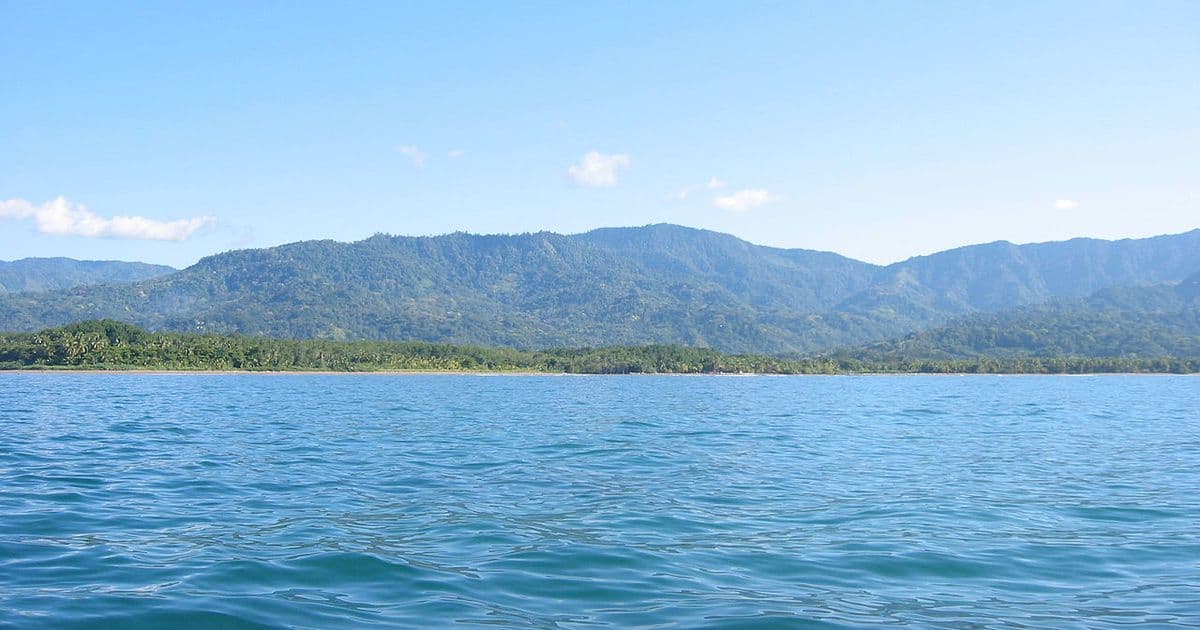
Uvita is a small, rapidly growing community on Costa Rica's Southern Pacific coast, best known as the location of Marino Ballena National Park, home to the famous whale-tail-shaped sandbar visible from the air at low tide. The area draws visitors for world-class humpback whale watching, pristine beaches, a spectacular waterfall, and the lush, humid landscapes of the Southern Pacific zone. Uvita is quieter and less developed than the Central Pacific's Jacó and Manuel Antonio, making it a favorite among travelers seeking a less crowded alternative.
Overview of Uvita
Uvita is a district in the canton of Osa, Puntarenas Province, located approximately 165 kilometers south of San José and 17 kilometers south of Dominical on the Costanera Sur highway (Route 34). The community of Uvita itself is small — just a few thousand permanent residents — but its lodging, restaurants, and services have grown considerably as the area's tourism profile has increased over the past decade.
The town sits at the junction where the Río Uvita meets the Pacific coast, just north of the park entrance to Marino Ballena National Park. The surrounding landscape is characterized by lush, dripping humid tropical forest — the Southern Pacific receives far more rainfall than Guanacaste and resembles the wet tropics of the Osa Peninsula more than the dry northwest. This rain feeds spectacular waterfalls, dense vegetation, and a high-biodiversity environment that complements the marine wealth of the offshore park.
Uvita has developed as a destination for conscious, nature-oriented travelers. The town has yoga studios, health food cafes, organic farms, and a community market. The Envision Festival, an arts and culture celebration held annually in March, draws thousands of attendees from around the world to Uvita's beaches and jungle setting. The town's growth has been relatively controlled compared to the more explosive development of Guanacaste, and it maintains a strong community identity focused on environmental stewardship.
Dominical and the Southern Pacific Zone
Uvita is part of a cluster of Southern Pacific communities that includes Dominical (17 km north, a surf and yoga town), Bahía Ballena (immediately adjacent to Uvita), and Ojochal (15 km south, known for its international restaurant scene). These communities collectively form a tourism zone that is increasingly recognized as one of the most rewarding in Costa Rica for travelers seeking nature, wildlife, and an authentic community atmosphere without the mass-tourism infrastructure of more developed areas.
Marino Ballena National Park and the Whale Tail
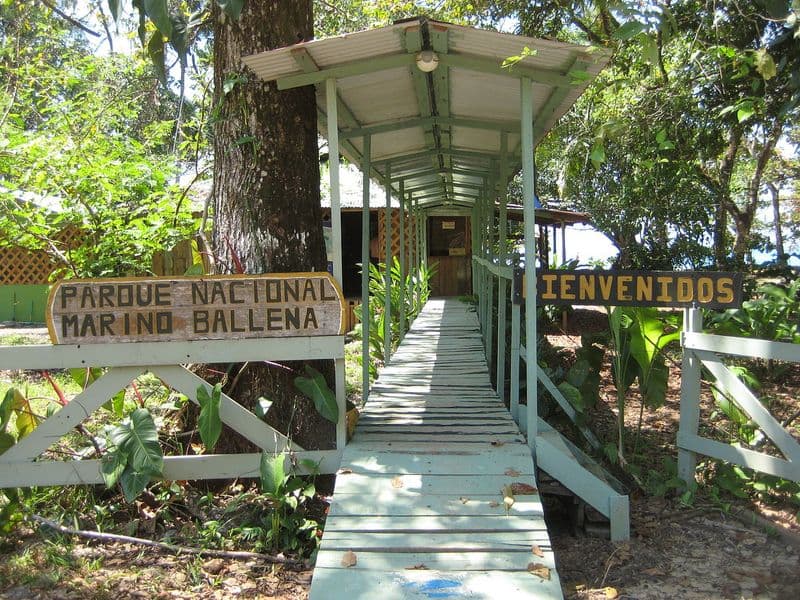
Marino Ballena National Park (literally "Humpback Whale Marine National Park") was established in 1989 and protects 5,375 hectares including both terrestrial and marine zones. The park encompasses four beaches — Playa Uvita, Playa Colonia, Playa Ballena, and Playa Piñuela — and extends 8 kilometers offshore to protect coral reefs, rocky outcroppings, and open water that serves as critical habitat for humpback whales and numerous other marine species.
The park's most famous feature is the Tombolo de la Ballena — the whale tail. A tombolo is a geographic formation where sediment has accumulated between the shore and an offshore rock or island, creating a land bridge. At Marino Ballena, the coastal geography produces a naturally occurring spit of sand that curves out from the beach in the unmistakable shape of a whale's tail when viewed from above or at low tide on foot. This formation is visible by walking out along the sandbar at low tide — a remarkable experience of walking into the ocean surrounded by water on both sides.
The park charges an entrance fee of approximately $6–$7 per person (cheaper than most national parks), making it an excellent value destination. Rangers patrol the beach and provide information about tide schedules for viewing the whale tail. Snorkeling around the rocky formations at the end of the whale tail reveals reef fish, sea turtles, and colorful marine life. The park is closed on Mondays.
Coral Reefs of Marino Ballena
The marine zone of Marino Ballena National Park protects one of the most significant coral reef systems on Costa Rica's Southern Pacific coast. The reefs support an unusual mix of species given the area's position as a transition zone between cold upwelling Pacific waters and warmer nearshore zones. Reef fish, sea turtles (hawksbill and Pacific green), spotted eagle rays, and nurse sharks are commonly encountered by snorkelers and divers. Water clarity varies with seasonal rain runoff but is typically best from December through April.
Humpback Whale Watching
Uvita's greatest claim to fame in the wildlife world is its position as one of the world's best humpback whale watching destinations. The waters off Marino Ballena National Park host humpback whale populations from two different ocean hemispheres — a unique distinction shared by very few places on Earth. Northern Hemisphere humpbacks migrate from the North Pacific to Costa Rican waters between December and April to breed and calve. Southern Hemisphere humpbacks migrate from Antarctica between July and November.
This dual migration season means humpback whales are potentially present in Uvita's waters for approximately 8 months of the year, with peak concentrations during August–September (Southern Hemisphere humpbacks) and January–February (Northern Hemisphere). The species is also one of the most acrobatic of all whales, frequently breaching, tail-slapping, and fin-waving, making for dramatic observation.
Whale watching tours depart from the beach at Uvita or from the nearby town of Bahía Drake (further south). Tours are operated by licensed boats and guides following regulations that prevent harassment of the animals. Typical 2–3 hour tours cost $60–$100 per person. Whale encounters are not guaranteed on every tour, but the probability is high during peak season months. Dolphins — particularly bottlenose and spotted dolphins — are commonly encountered on these tours regardless of whale presence.
Best Months for Whale Watching
The most productive whale watching at Uvita is generally from July through October (Southern Hemisphere humpbacks) and December through March (Northern Hemisphere humpbacks). August and September represent the peak of the southern migration, when both large adults and calves born in Costa Rican waters are present. The overlap period between the two populations (December and late November–early December) can occasionally produce encounters with both populations, though this is uncommon. Spinner dolphins and Pacific bottlenose dolphins are present year-round.
Uvita Waterfall
The Uvita Waterfall (Catarata de Uvita) is one of the most accessible and enjoyable natural attractions in the Southern Pacific zone. The waterfall is located a short drive from the town center on a private farm that charges a nominal entrance fee (approximately $5 per person). A short trail through forest leads to the cascade, which drops approximately 10 meters into a wide natural pool suitable for swimming.
The pool at the base of the waterfall is popular with both local families and visitors and has a natural rock slide worn smooth by millennia of water flow — a natural waterslide that is safe and thrilling for adults and older children. The swimming hole is shaded by jungle canopy, making it a refreshing escape during the hot midday hours. The water is cool and clear, fed by a mountain stream running through primary forest.
Visiting the waterfall on a weekday morning offers the most tranquil experience with fewer visitors. On weekends and during peak season, the waterfall can attract significant crowds, particularly from Costa Rican families enjoying a local outing. The combination of the waterfall's natural rock slide with a short forest walk makes it a perfect complement to a beach day at Marino Ballena.
Other Waterfalls Near Uvita
The Southern Pacific zone is home to numerous waterfalls fed by the region's exceptional rainfall. Nauyaca Waterfalls, accessible from Dominical (17 km north of Uvita), are among the most spectacular in the country — a two-tiered cascade with 45-meter and 25-meter drops into a large natural pool. The Nauyaca falls require a 2-hour hike or horseback ride each way and are best visited with a guided tour. Diamante Waterfall, also near Dominical, offers another impressive option for waterfall enthusiasts.
Beaches and Swimming
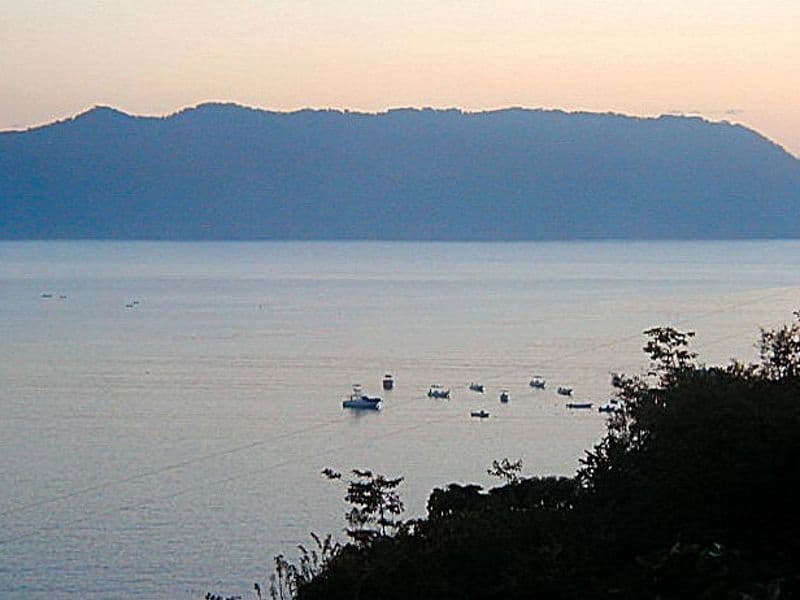
Uvita's beaches within and adjacent to Marino Ballena National Park are among the most beautiful on Costa Rica's Pacific coast — wide, golden sand with minimal development, backed by forest, and extending for several kilometers. Playa Uvita is the main beach fronting the park entrance, with clean sand, moderate waves, and the iconic whale-tail spit accessible at low tide. Swimming is generally safe here under normal conditions, though the Pacific swell can produce rip currents.
Playa Ballena, further south in the park, is less visited and excellent for peaceful beach walks and wildlife watching along the waterline. Pelicans, magnificent frigatebirds, and brown boobies are commonly seen along the beach. The occasional bottlenose dolphin or sea turtle can be spotted from shore. Sea turtle nesting (olive ridley and leatherback species) occurs on these beaches, and MINAE rangers monitor nesting activity.
Tidal Considerations
Tidal variation significantly affects the beach experience at Uvita. At high tide, access to the whale-tail sandbar is submerged or limited to walking the base. At low tide, the full whale-tail formation is accessible on foot, and the tidal pools at the sandbar's tip are exposed for exploration. Checking tide tables (available from park rangers, local hotels, or online tide apps) before visiting allows planning the ideal arrival time to walk the whale tail. Low tide at dawn or sunset offers the most atmospheric conditions.
Practical Information and Getting There
Uvita is located on the Costanera Sur highway (Route 34), which runs along the Pacific coast from Jacó in the north to Palmar Sur in the south. The drive from San José takes approximately 3.5–4 hours via the Costanera route, significantly faster than the older mountain route through San Isidro de El General. The road from San José to Uvita via the Costanera is paved and in good condition; a regular 2WD vehicle is sufficient for this route.
Public buses from San José's Tracopa terminal on Calle 5 serve Uvita directly several times daily, with the journey taking approximately 4–5 hours and costing around $8–$10. Shared shuttle services from San José, Manuel Antonio, and San Isidro connect Uvita with the broader tourist circuit. There is no commercial airport in Uvita itself; the nearest airports with regular service are Quepos (Manuel Antonio) to the north and Palmar Sur to the south, both small domestic airstrips.
Within Uvita, distances are manageable for walking around the town center, but reaching the park entrance, waterfall, and outlying properties requires a vehicle or taxi. Taxi service is available locally. Car rental is not available in Uvita town but can be arranged through several local tour operators with delivery. Most visitors arrive with their own rental vehicle from San José or Manuel Antonio.
Accommodation Options
Uvita's accommodation scene ranges from budget hostels and camping within Marino Ballena park to mid-range boutique eco-lodges and a handful of more upscale jungle properties with Pacific views. Kura Design Villas is one of the Southern Pacific's most celebrated luxury properties, an adults-only boutique hotel with dramatic views over the jungle and ocean. Oxygen Jungle Villas and Canto del Mar offer mid-range options with pools and excellent service. Camping on the beach within the national park is available with ranger permission at very low cost.
Frequently Asked Questions
What is the whale tail in Uvita?
The whale tail (Tombolo de la Ballena) is a naturally occurring sandbar formation in Marino Ballena National Park near Uvita. At low tide, the sandbar curves out from the beach in the shape of a whale's tail, visible both from the air and on foot. You can walk along this sandbar at low tide, surrounded by ocean on both sides, to reach tidal pools and snorkeling areas at the tip. It is Costa Rica's most unique coastal geographic feature.
When is the best time to see humpback whales in Uvita?
Humpback whales are present in Uvita's waters for approximately 8 months of the year due to a unique overlap of Northern and Southern Hemisphere migrations. The best months are July–October (Southern Hemisphere whales) and December–March (Northern Hemisphere whales). August and September represent the peak of the southern migration, when both adult whales and calves are commonly observed. Boat tours with licensed operators depart from Uvita beach throughout these periods.
How far is Uvita from Manuel Antonio?
Uvita is approximately 70 kilometers south of Manuel Antonio (Quepos) along the Costanera highway, about a 1.5-hour drive. Many travelers combine Manuel Antonio and Uvita in a Southern Pacific itinerary, spending 2–3 nights at each. The drive between them is scenic and straightforward on the paved coastal highway.
Is Uvita good for families?
Yes, Uvita is excellent for families. The whale-tail walk at low tide fascinates children of all ages. The national park's calm sections are suitable for family swimming. The waterfall's natural rock slide is a hit with older children. Whale and dolphin watching tours provide unforgettable wildlife experiences. The area is quieter and less hectic than Manuel Antonio, and accommodation options for families are available across price ranges.
What is the Envision Festival in Uvita?
The Envision Festival is a multi-day arts, music, and culture event held annually at Uvita in late February or early March. The festival brings together music acts, yoga workshops, art installations, speakers on sustainability and consciousness, and community activities in an outdoor beach and jungle setting. It draws several thousand attendees from Costa Rica and internationally, creating a vibrant temporary community focused on creativity, wellness, and environmental awareness. Tickets sell out well in advance.