
Visit Costa Rica: Complete Travel Guide
To visit Costa Rica is to experience one of the world's most biodiverse, visually stunning, and traveler-friendly destinations. Wedged between the Pacific Ocean and the Caribbean Sea with two mountain ranges bisecting its interior, Costa Rica packs extraordinary ecological variety into a country smaller than West Virginia. From cloud forest reserves draped in epiphytes to black sand volcanic beaches and turquoise Pacific bays, visiting Costa Rica rewards travelers with landscapes and wildlife encounters that rival any destination on Earth. The country's stable democracy, excellent infrastructure, and pervasive pura vida hospitality make it one of the easiest places in the Americas to travel.
Entry Requirements and Visas
Citizens of the United States, Canada, the United Kingdom, Australia, and most European Union nations can visit Costa Rica visa-free for up to 90 days as tourists. A valid passport with at least one day of validity remaining beyond the intended stay is required. In practice, travelers are advised to carry a passport valid for at least six months beyond their travel dates to avoid complications with airlines and border officials.
Upon arrival — whether by air at Juan Santamaría International Airport (SJO) near San José or Daniel Oduber Quirós International Airport (LIR) in Liberia — travelers pass through immigration and customs. Visitors must technically demonstrate proof of onward travel (such as a return flight or onward bus ticket) and sufficient funds for their stay, though these requirements are infrequently checked for visitors from high-income countries arriving on commercial flights.
Costa Rica does not currently require proof of vaccination for entry (as of early 2026, post-COVID restrictions have been lifted). Travel insurance is not legally required but is strongly recommended, particularly coverage that includes medical evacuation. The country's private hospital system is excellent, but treatment can be expensive for uninsured foreigners. Costa Rica's state health system (CAJA) provides emergency care to all, but access to the full system requires enrolled status.
Border Crossings and Land Entry
Costa Rica shares land borders with Nicaragua to the north and Panama to the south. Main border crossings include Peñas Blancas (Costa Rica-Nicaragua) and Paso Canoas (Costa Rica-Panama). These crossings are busy and require patience. Crossing on foot and taking local buses or shuttles on either side is a common strategy for budget travelers completing the Central American overland route.
Best Time to Visit Costa Rica
The best time to visit Costa Rica depends heavily on which part of the country you plan to explore. The Pacific coast (Guanacaste, Central Pacific, and Southern Pacific) follows a clear dry season from December through April and a rainy season from May through November. The dry season brings reliably sunny days, easier road travel, and the most predictable conditions for beach activities and wildlife viewing. This period is also peak tourist season, with higher prices and more crowds.
The Caribbean coast operates on an inverse pattern — its driest months are roughly September–October and February–April, while it can receive heavy rain during what the Pacific coast considers dry season. The Caribbean's lush green landscape, Afro-Caribbean culture, and laid-back atmosphere attract travelers seeking a different experience from the heavily touristed Pacific side. Limón, Puerto Viejo, and Cahuita are the primary Caribbean destinations.
The shoulder seasons — particularly May and November — offer compelling value for visitors. November in particular combines relatively dry mornings, dramatically reduced prices, fewer crowds, and excellent wildlife activity (October-November is peak humpback whale season in the southern Pacific). Travelers willing to pack a rain jacket and plan morning activities before afternoon showers can enjoy exceptional experiences during green season at significantly lower cost.
Monthly Weather Overview
December through March is the clearest and most popular period for visiting the Pacific coast. April can be very hot and dry in Guanacaste, signaling the end of dry season. May through July sees the rains return to the Pacific, starting with afternoon showers that gradually increase. August and September are typically the wettest months on the Pacific. October can see heavy rainfall nationwide, though the Caribbean enjoys its brief dry window. November brightens considerably on the Pacific side.
Top Destinations to Visit
San José, the capital city, is the entry point for most visitors. While often treated merely as a transit hub, the city rewards a day or two of exploration through its museums — particularly the National Museum (housed in a former military barracks), the Jade Museum, and the Pre-Columbian Gold Museum beneath the Plaza de la Cultura. San José's central market, barrio neighborhoods like Amón, and vibrant restaurant scene reflect the country's urban character.
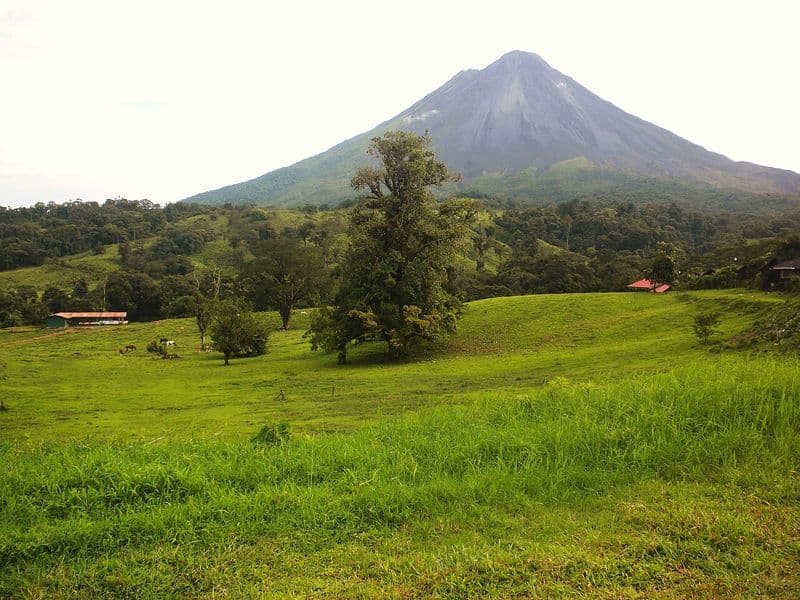
Arenal and La Fortuna in the northern highlands attract visitors with the iconic Arenal Volcano, hot springs, hanging bridge parks, and abundant adventure activities. The volcano last erupted dramatically between 1968 and 2010 and is currently in a resting phase, but its perfectly conical shape dominates the landscape on clear mornings. Lago Arenal, the country's largest lake, provides a scenic backdrop for windsurfing and kayaking.
Monteverde and Santa Elena on the Tilarán mountain range protect some of the world's most important cloud forest reserves. The Monteverde Cloud Forest Biological Reserve and the Children's Eternal Rainforest together protect over 22,000 hectares of forest at elevations between 1,400 and 1,850 meters. Manuel Antonio on the Central Pacific coast pairs one of the country's most visited national parks with excellent beach and accommodation infrastructure. The Osa Peninsula, far more remote, rewards those who make the effort with arguably Costa Rica's most pristine wilderness.
Underrated Destinations
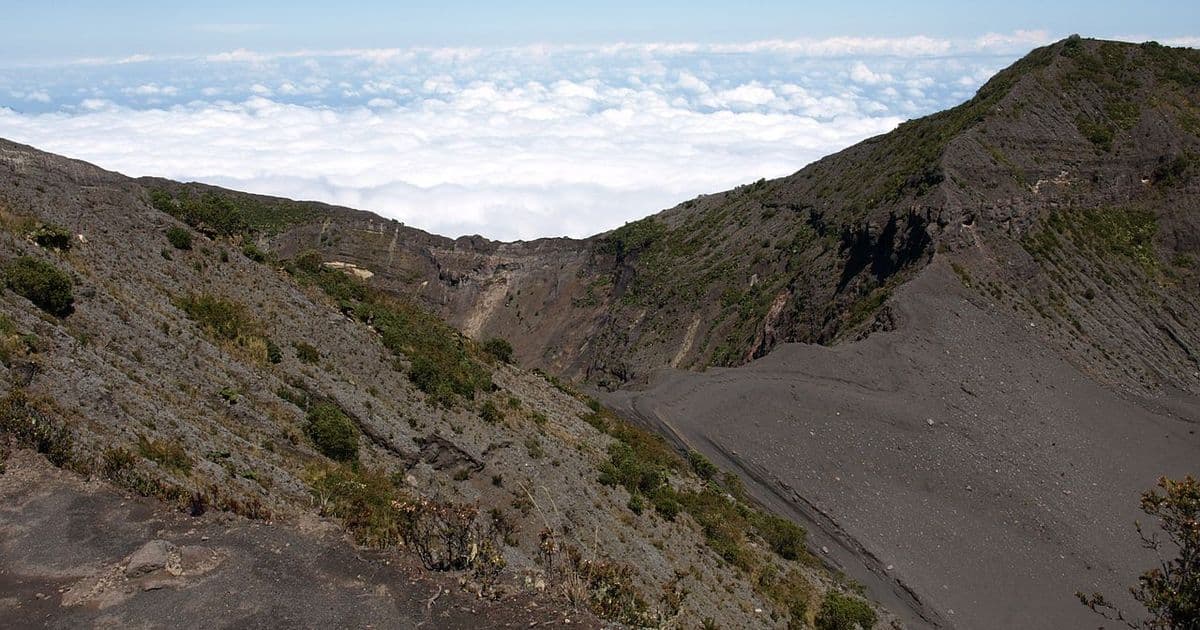
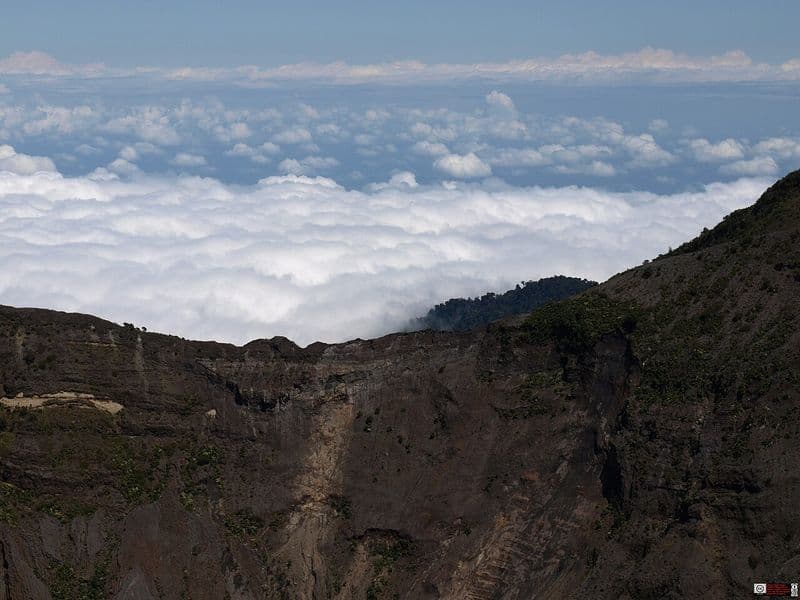
Several destinations receive far fewer visitors than their quality warrants. Turrialba and the Irazú Volcano area offer volcano hiking and world-class white-water rafting without the Arenal crowds. The Nicoya Peninsula's interior — particularly Hojancha and the Nicoya town area — is a designated Blue Zone with exceptional longevity rates. San Gerardo de Dota, a mountain valley at 2,200 meters, offers the best accessible quetzal-watching in Costa Rica.
Getting Around Costa Rica
Getting around Costa Rica is most flexible by rental car, particularly a 4WD vehicle with high ground clearance. The country's road network includes paved highways connecting major cities and unpaved secondary roads reaching most destinations. Google Maps works well for navigation, though it occasionally routes travelers via roads that require local knowledge to navigate safely. Route 1 (Interamerican Highway North) connects San José to Guanacaste; Route 2 heads southeast toward Panama; Route 32 descends from San José to the Caribbean port of Limón.
Shuttle van services operated by companies like Interbus, Grayline, and Monkey Ride provide comfortable, door-to-door connections between all major tourist destinations at prices ranging from $30–$65 per person per leg. These are significantly more convenient than public buses for travelers with luggage who prefer not to drive. Shuttles are bookable in advance online and are the preferred transport option for most independent leisure travelers.
Domestic flights with SANSA and Sky Airline dramatically reduce travel times between San José and regional airports. Flights to Quepos (Manuel Antonio), Puerto Jiménez (Osa Peninsula), Nosara, Tamarindo, and Liberia take 30 to 60 minutes versus 3 to 6 hours by road. Prices range from $70–$200 one way and are worth considering particularly for one-way itineraries. Water taxis serve coastal routes including the Nicoya Peninsula ferry crossing between Puntarenas and Paquera.
Public Buses
Costa Rica's public bus system is extensive, reliable, and inexpensive. Empresas de buses like Tracopa, Tica Bus, and MEPE serve intercity routes from San José's central terminal at Coca-Cola (Avenida 3) and other zone terminals. Tickets cost a fraction of shuttle prices — for example, San José to Jacó runs about $3–$5 on the public bus versus $35–$50 by shuttle. Bus travel requires flexibility on time and tolerance for longer travel durations with local stops.
What to Do and See
Wildlife watching is the single most transformative activity for visitors to Costa Rica. The country's extraordinary biodiversity — over 500,000 species in just 0.03% of Earth's landmass — means wildlife encounters happen casually and frequently. Sloths hang from trees along Manuel Antonio's park trails. Scarlet macaws fly in pairs over Corcovado. Humpback whales breach off Marino Ballena. White-faced capuchins raid beachside picnics in park areas. Investing in a certified naturalist guide dramatically improves the quantity and quality of wildlife sightings.
Adventure activities are synonymous with visiting Costa Rica. White-water rafting on the Pacuare River (Class III-IV), zip-lining through cloud forests in Monteverde, surfing Pacific beach breaks from Tamarindo to Pavones, and hiking active volcanic landscapes around Rincón de la Vieja draw thrill-seekers worldwide. The adventure tourism sector is well-regulated in most areas, with established operators maintaining equipment and safety standards exceeding many visitor expectations.
Cultural immersion enriches any Costa Rica visit. Coffee plantation tours in the Central Valley trace the history of the crop that built modern Costa Rica. Indigenous community visits in the Boruca and Bribrí territories offer rare windows into pre-Columbian tradition. The country's national cuisine — gallo pinto, casado, ceviche, olla de carne, and tres leches — reflects its mixed heritage and agricultural roots. San José's theater and arts scene, including the historic Teatro Nacional, demonstrates a cultural sophistication that surprises many visitors expecting only ecotourism.
National Parks System
Costa Rica protects approximately 25–30% of its national territory within the National System of Conservation Areas (SINAC). The 30 national parks, multiple wildlife refuges, and biological reserves charge modest entrance fees ($18–$20 USD per adult for most parks). Reservations are required for several popular parks — Manuel Antonio limits daily visitor numbers and requires advance online booking through the SINAC system. Corcovado requires certified guides and advance permits.
Health, Safety, and Practical Tips
Costa Rica is one of the safer countries in Latin America for international visitors, consistently ranked among the region's most secure tourist destinations. Standard precautions apply in San José and other urban areas: avoid displaying expensive electronics or jewelry, use hotel safes, travel by licensed taxi or ride-sharing app (Uber operates throughout the country), and be aware of surroundings at night in unfamiliar neighborhoods.
Health precautions for visiting Costa Rica include sun protection (UV levels are high year-round near the equator), insect repellent with DEET for mosquito-prone lowland areas where dengue risk exists, and safe water consumption (bottled water in remote areas; San José and most tourist zones have potable tap water). Vaccinations for hepatitis A and B, typhoid, and tetanus are standard recommendations for visitors. Malaria risk is very low in most tourist areas but exists in some border regions.
Currency is the Costa Rican colón (CRC), though USD is widely accepted at hotels, tour operators, and restaurants in tourist areas. ATMs dispensing both colones and dollars are found in all major towns. Credit cards (Visa and Mastercard most widely accepted) work at most tourist-oriented businesses. Smaller establishments, local markets, and public transport require cash. Electricity is 110V at 60Hz (same as U.S. standard), so American visitors need no adapters.
Emergency Numbers and Medical Care
Emergency services in Costa Rica: police (911), Red Cross ambulance (911), and fire department (118). Major private hospitals including CIMA Hospital and Clínica Bíblica in San José provide high-quality care for visitors with insurance. Most larger towns have clinics and pharmacies (farmacias) stocked with common medications. Travel insurance with medical evacuation coverage is strongly recommended for remote areas where helicopter extraction may be necessary for serious injuries.
Budgeting Your Costa Rica Visit
Costa Rica is not a cheap destination by Central American standards, but it offers exceptional value for the quality and variety of experiences compared to Caribbean islands or European ecotourism destinations. Budget travelers staying in hostels ($15–$25/night dorm), taking public buses, eating sodas (local lunch restaurants) for $5–$8 per meal, and choosing free or low-cost activities can manage $50–$80 USD per day. Mid-range travelers spending on private accommodation ($80–$150/night), shuttle transport, two guided activities per week, and restaurant meals average $150–$250 per day. Premium travelers in luxury eco-lodges, using domestic flights, and booking private guides easily spend $400–$800+ per day.
The biggest variable costs in visiting Costa Rica are accommodation, transport, and guided activities. Booking accommodation at least 2–3 months ahead for dry season travel secures better pricing and availability. Using public buses significantly reduces transport costs. Self-guiding in national parks (where permitted) versus hiring private naturalists saves $50–$100 per park visit. Traveling in a group spreads guide and transport costs across more people, improving value significantly.
Tipping in Costa Rica: guides typically receive $5–$20 USD per person depending on tour length and quality. Restaurant service (10% service charge often included on bills, additional 5% tip appreciated for good service). Hotel housekeeping $1–$2 USD per day. Taxi/shuttle drivers $1–$3 USD per trip. USD tips are readily accepted and appreciated by tourism workers whose wages form a significant part of the country's service economy.
Budget Seasons and Deals
Green season (May–November) offers the most significant discounts — many hotels and lodges reduce rates by 20–40% during this period. Package deals combining flights, accommodation, and activities offer better value than booking components separately through aggregators. Airlines typically offer the best fares to Costa Rica booked 6–12 weeks in advance for peak season and 2–4 weeks for low season travel.
Frequently Asked Questions
Do I need a visa to visit Costa Rica?
Citizens of the United States, Canada, United Kingdom, Australia, and most EU countries can visit Costa Rica visa-free for up to 90 days. A valid passport is required. Check with the Costa Rican embassy or consulate for your specific nationality's requirements before traveling.
What is the best time of year to visit Costa Rica?
For the Pacific coast, December through April (dry season) offers the most reliable sunshine and best beach conditions. November and May offer good value as shoulder months with fewer crowds and lower prices. The Caribbean coast has its own weather patterns, with September–October and February–April being relatively drier.
Is Costa Rica expensive to visit?
Costa Rica is one of the more expensive Central American destinations but offers exceptional value for the quality of experiences. Budget travelers can manage $50–$80 per day; mid-range travelers average $150–$250 per day; luxury travelers spend $400+ per day. Accommodation, transport, and guided activities are the main cost drivers.
Is Costa Rica safe to visit?
Costa Rica is generally considered safe for tourists in major destinations. Standard precautions — securing valuables, using reputable transport, avoiding unfamiliar urban areas after dark — apply. The country has a lower crime rate than many Latin American nations and is accustomed to international visitors. Check current travel advisories from your government before traveling.
How long should I spend visiting Costa Rica?
A minimum of 7–10 days allows for 2–3 distinct regions (e.g., Arenal, Manuel Antonio, and a beach area). Two weeks is ideal for combining the Nicoya Peninsula, Monteverde, and either the Osa Peninsula or Caribbean coast. Month-long stays reveal the country's full depth and are increasingly popular with digital nomads and retirees.