
What Is the Capital of Costa Rica? Everything About San Jose
The capital of Costa Rica is San Jose, a dynamic metropolitan city situated in the heart of the Central Valley at an elevation of approximately 1,170 meters above sea level. Founded in 1737 by Spanish colonial settlers, San Jose became the official capital in 1823, replacing the colonial-era capital of Cartago. Today, San Jose is home to roughly 350,000 residents in the city proper and over 2 million in the greater metropolitan area, making it by far the country's largest urban center and the political, economic, and cultural heart of Costa Rica.
San Jose: Capital of Costa Rica
San Jose serves as the seat of government for Costa Rica, housing the National Legislative Assembly, the Supreme Court, the offices of the President, and all major federal ministries and institutions. The city is located in the Valle Central (Central Valley), a fertile highland basin surrounded by volcanoes and mountains that has been the demographic core of Costa Rica since colonial times.
The Central Valley enjoys one of the world's most temperate climates for a tropical location, with daytime temperatures typically ranging from 18 to 26 degrees Celsius year-round. This mild climate, often called an eternal spring, contributed to the region's dense agricultural settlement and the concentration of Costa Rica's population in the greater San Jose metropolitan area, which today accounts for roughly half the country's total population.
San Jose is a compact but busy city, easily walkable in its central historic core but spread across a broad metropolitan region that encompasses the cities of Alajuela, Heredia, and Cartago in what Costa Ricans call the Gran Area Metropolitana (GAM). The Juan Santamaria International Airport, Costa Rica's primary international gateway, is located in Alajuela, approximately 20 kilometers from downtown San Jose.
San Jose at a Glance
San Jose covers 44 square kilometers in the city proper and sits at 1,170 meters elevation. The city's population of approximately 350,000 expands to over 2 million in the broader metropolitan area. Spanish is the official language, the Costa Rican colon is the currency, and the city operates on Central Standard Time (UTC-6).
History of San Jose
San Jose was founded in 1737 as Villa Nueva de la Boca del Monte during the Spanish colonial period. Initially a modest agricultural settlement growing tobacco for the colonial government, the town grew steadily as the colonial economy developed. Costa Rica gained independence from Spain in 1821, and in 1823 San Jose replaced Cartago as the national capital following a brief civil conflict known as the Ochomogo War.
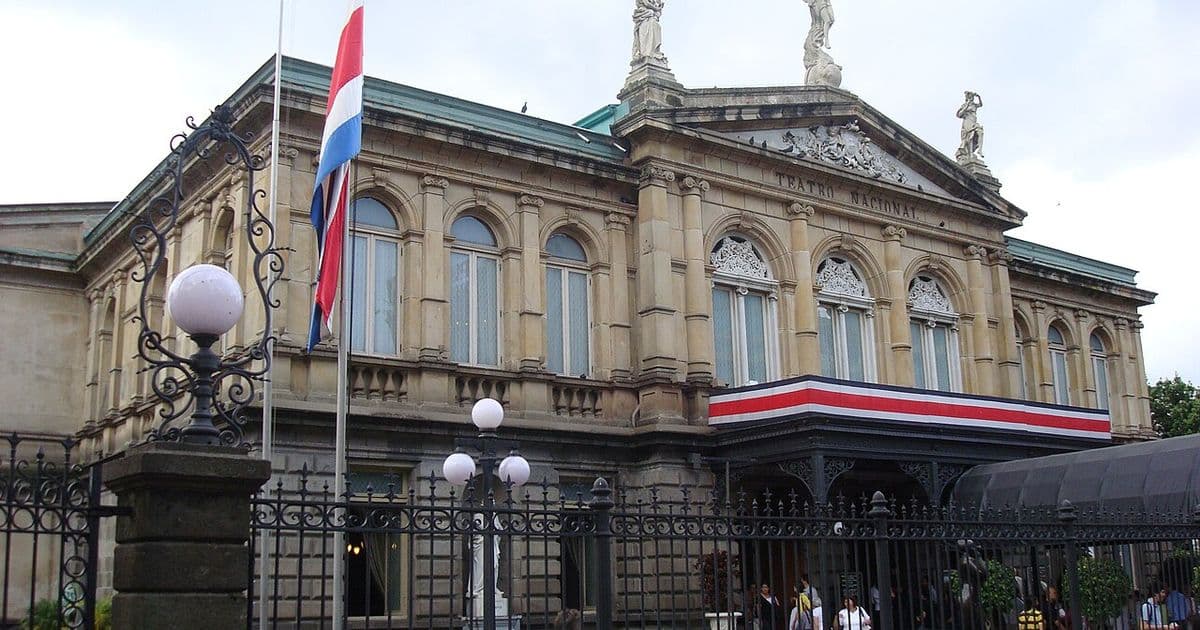
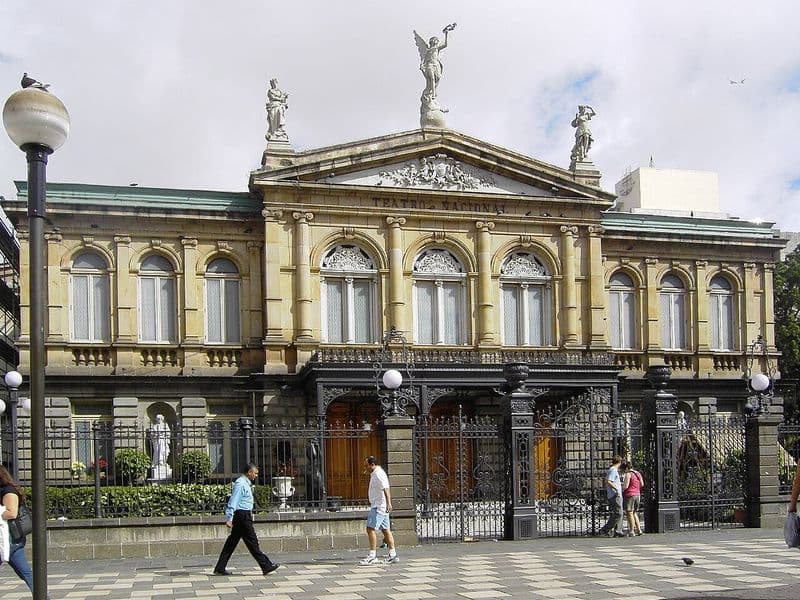
The coffee boom of the 19th century transformed San Jose from a provincial town into a sophisticated capital. Coffee export revenues funded the construction of landmark public buildings including the National Theater (Teatro Nacional), which opened in 1897 and remains one of the architectural gems of Central America. The coffee elite, known as the Gran Familia, built ornate mansions in neighborhoods like Barrio Amon and Barrio Otoya that still stand today.
The 20th century saw San Jose develop into a modern capital, with the abolition of the army in 1948 under President Jose Figueres Ferrer redirecting military spending toward education and health infrastructure. This legacy shaped San Jose's character as a city with excellent hospitals, universities, and cultural institutions relative to its size and the country's income level.
The 1948 Revolution
The 1948 Civil War and its aftermath were pivotal in shaping modern San Jose and Costa Rica. The war lasted 44 days and resulted in Jose Figueres Ferrer abolishing the military, nationalizing banking, and extending voting rights to women and Afro-Costa Ricans. This democratic foundation has made San Jose the capital of one of Latin America's most stable and peaceful democracies for over 75 years.
Neighborhoods of San Jose
San Jose's urban character varies significantly by neighborhood, offering visitors a range of atmospheres from colonial residential to modern commercial. Barrio Amon is the city's most visited historic district, featuring late 19th and early 20th century Victorian and Art Nouveau mansions converted into boutique hotels, restaurants, and art galleries. Its tree-lined streets make it one of the most pleasant walking areas in downtown San Jose.
Barrio Escalante has emerged as the city's culinary and creative hotspot, with a concentration of innovative restaurants, craft beer bars, coffee shops, and boutiques along the Calle de la Amargura and surrounding streets. It attracts a young, educated crowd and represents San Jose's evolving urban culture scene.
La Sabana, anchored by the Sabana Metropolitan Park (Costa Rica's largest urban park), is a middle-class residential neighborhood with museums, sports facilities, and the country's primary stadium. Rohrmoser, adjacent to La Sabana, is home to many diplomatic missions and the executive branch of government. Los Yoses and San Pedro, east of downtown, house the University of Costa Rica campus and a lively student neighborhood.
Barrio Escalante: San Jose's Food District
Barrio Escalante has undergone a dramatic transformation in the past decade, evolving from a quiet residential neighborhood into San Jose's premier dining destination. The area hosts dozens of restaurants offering Costa Rican fusion cuisine, international food, specialty coffee, and craft cocktails. Visiting during the weekly Mercado del Rio food market event is highly recommended for sampling local culinary creativity.
Cultural Attractions and Museums
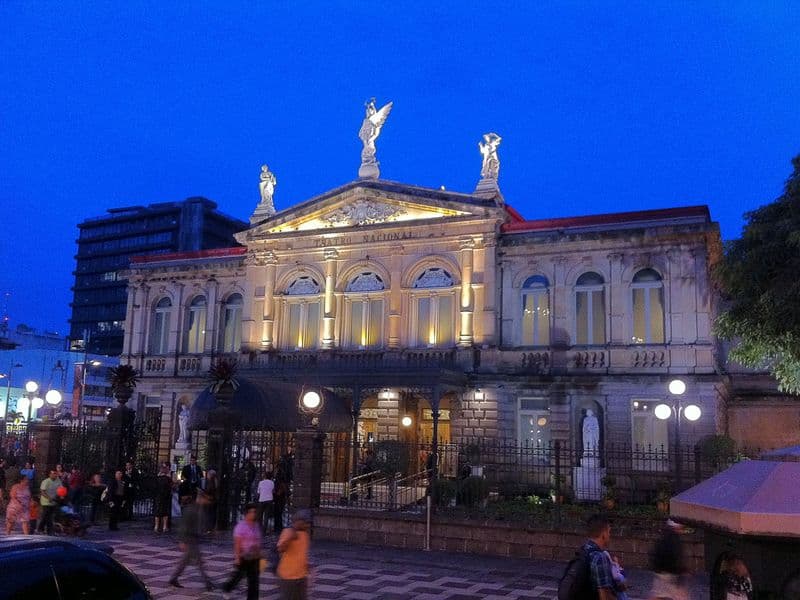
San Jose is home to Costa Rica's finest cultural institutions. The National Theater (Teatro Nacional) on Plaza de la Cultura is the city's architectural masterpiece, built in 1897 with coffee export tax revenues and modeled on European opera houses. Its ornate Neo-Baroque interior can be visited through guided tours or by attending one of the regular performances by the National Symphony Orchestra, National Lyric Opera, and international guest companies.
The Pre-Columbian Gold Museum (Museo del Oro Precolombino), located beneath the Plaza de la Cultura, houses Costa Rica's largest collection of pre-Columbian gold artifacts. Over 1,600 pieces of intricate goldwork reveal the artistic sophistication of indigenous cultures that flourished before European contact. The National Museum (Museo Nacional de Costa Rica) in the historic Bellavista Fortress covers natural history and cultural heritage across chronological periods.
The Jade Museum (Museo del Jade), reopened in a modern purpose-built facility in 2014, contains the world's largest collection of American jade artifacts. Costa Rica was a major jade-working center in pre-Columbian Mesoamerica, and the museum's collection illuminates this overlooked chapter of indigenous American civilization.
The National Theater
The Teatro Nacional is Costa Rica's most iconic building and a source of immense national pride. Its construction was funded by a tax on coffee exports, and local legend holds that the decision to build came when Costa Rica was excluded from a European opera tour due to lacking a suitable venue. The theater's interior ceiling fresco depicting coffee and banana harvests is one of the most photographed images in the country.
Central Market
The Mercado Central, founded in 1880, is a labyrinthine indoor market in the heart of downtown San Jose where locals shop for fresh produce, medicinal herbs, handicrafts, and traditional food. Numerous sodas (small restaurants) inside the market serve inexpensive casados, arroz con leche, and fresh tropical juices. It is one of the most authentic local experiences in the city.
Getting Around San Jose
San Jose's central core is walkable, but the broader metropolitan area requires public transport, taxis, rideshares, or rental cars. The city's public bus network is extensive and inexpensive, covering most neighborhoods and connecting to outlying cities like Alajuela, Heredia, and Cartago. However, routes can be complex for visitors unfamiliar with the system.
Taxis are widely available in San Jose and are legally required to use their meters (marimba). Red taxis are the official service; unofficial orange or other-colored cabs should be avoided. Uber and other rideshare apps operate in San Jose and are popular with both residents and visitors for their predictable pricing and GPS tracking.
Driving in downtown San Jose is not recommended for visitors due to complex one-way street patterns, limited parking, and heavy traffic. Many hotels in central neighborhoods are within walking distance of major attractions, making a car unnecessary for city exploration. For day trips and excursions to other regions, rental cars provide flexibility that public transport cannot match.
Safety in San Jose
San Jose, like any major Latin American capital, requires standard urban awareness. Petty theft (pickpocketing) is the most common issue affecting visitors, particularly in crowded areas like the Mercado Central and bus terminals. Barrio Amon, Escalante, Los Yoses, and the Plaza de la Cultura area are generally safe during daylight. Avoiding displaying expensive electronics, keeping bags close, and using official transport at night are effective precautions.
Day Trips from the Capital
San Jose's Central Valley location makes it an ideal base for day trips to some of Costa Rica's most famous attractions. Poas Volcano National Park (approximately 1 hour north of San Jose via Alajuela) offers dramatic views into one of the world's largest active volcanic craters on clear mornings, along with a dwarf cloud forest ecosystem and a nearby lagoon.
The Irazu Volcano (1.5 hours east near Cartago) is the tallest active volcano in Costa Rica at 3,432 meters and offers views across the Central Valley on clear days, and occasionally simultaneously of both the Pacific and Caribbean coasts from the summit. The La Paz Waterfall Gardens (1 hour north) combines five spectacular waterfalls with butterfly gardens, hummingbird feeders, frog exhibits, snake exhibits, and big cat enclosures.
Cartago, the former colonial capital 22 kilometers east of San Jose, merits a visit for its Basilica de Nuestra Senora de los Angeles, one of the most important Catholic pilgrimage sites in Central America. The ruins of the original colonial parish church, destroyed multiple times by earthquakes, stand preserved in the city center as a reminder of the region's seismic history.
Poas Volcano Day Trip
Poas Volcano is the most accessible volcano from San Jose and the most visited national park in Costa Rica. Arriving early (the park opens at 8:00 AM) maximizes the chance of clear skies over the crater, which frequently fills with clouds by mid-morning. The park also protects dwarf cloud forest habitat where hummingbirds, toucans, and highland plant species can be observed.
San Jose as a Travel Hub
For most international visitors, San Jose serves primarily as a transit hub rather than a standalone destination. Juan Santamaria International Airport connects Costa Rica to North American, European, and regional Latin American destinations with direct flights from major hubs including Miami, Houston, Atlanta, New York, Toronto, and Amsterdam.
Most visitors spend one or two nights in San Jose at the start and end of their trip, using this time to adjust to the time zone, visit the city's cultural highlights, and prepare for onward travel to the country's nature destinations. The hotel corridor between the airport and San Jose provides convenient accommodation for early flights or late arrivals.
San Jose's bus terminals (La Coca-Cola terminal for domestic routes and the Terminals Atlantico and Caribe for different regions) connect the capital to virtually every other city and town in Costa Rica. Long-distance domestic buses are an economical and well-maintained option for budget travelers comfortable with longer journey times.
Staying Near the Airport vs. Downtown
Travelers with very early or very late flights often choose to stay near the airport in Alajuela rather than in downtown San Jose. The Alajuela hotel zone offers comfortable options at various price points, and several are within 5 to 10 minutes of the terminal. Downtown San Jose hotels offer better access to cultural attractions and the city's restaurant and nightlife scene.
Frequently Asked Questions
What is the capital of Costa Rica?
The capital of Costa Rica is San Jose. It is the country's largest city and serves as the political, economic, and cultural center of Costa Rica. San Jose has been the capital since 1823, when it replaced Cartago following Costa Rica's independence from Spain.
Where is San Jose located in Costa Rica?
San Jose is located in the Central Valley (Valle Central) of Costa Rica, at an elevation of approximately 1,170 meters above sea level. It is surrounded by mountains and volcanos and sits roughly in the geographic center of the country, with the Pacific coast about 130 kilometers to the west and the Caribbean coast about 160 kilometers to the east.
What is the population of San Jose, Costa Rica?
San Jose city proper has a population of approximately 350,000 people. The greater metropolitan area, which includes the cities of Alajuela, Heredia, and Cartago in what is called the Gran Area Metropolitana, has a population of over 2 million, representing roughly half of Costa Rica's entire national population.
What are the top things to do in San Jose Costa Rica?
Top attractions in San Jose include visiting the Teatro Nacional (National Theater), the Pre-Columbian Gold Museum, the Jade Museum, the National Museum, and the historic Barrio Amon neighborhood. The Mercado Central offers an authentic local market experience. Barrio Escalante is the hub for dining, craft beer, and coffee. Day trips to Poas Volcano, La Paz Waterfall Gardens, and Cartago are all easily arranged from the capital.
Is San Jose worth visiting as a tourist?
San Jose merits 1 to 2 days of exploration for its cultural museums, historic neighborhoods, excellent dining scene, and vibrant street life. The city is often bypassed by travelers rushing to Costa Rica's nature destinations, but its world-class museums, colonial architecture, and food culture reward those who pause to explore. Most visitors use San Jose as a transit hub but find more to appreciate than expected.