
Zancudo Lodge Costa Rica: World-Class Fishing in the South Pacific
Zancudo Lodge is one of Costa Rica's most celebrated sport fishing destinations, located on Playa Zancudo along the Golfo Dulce in the remote South Pacific. Known for its exceptional inshore and offshore fishing, wildlife-rich surroundings, and the genuine remoteness that serious anglers prize, Zancudo Lodge offers an experience far removed from the busier tourist circuits of Guanacaste and the Central Pacific. The surrounding jungle, estuary, and open Pacific create an extraordinary combination of biodiversity and angling opportunity.
Location and How to Get There
Zancudo Lodge is located at Playa Zancudo on the Golfo Dulce (Sweet Gulf) in the Osa-Golfito region of Costa Rica's South Pacific, one of the most remote and biodiverse corners of the country. The Golfo Dulce is a rare tropical fjord-like bay — one of only four such formations in the world — with warm, calm waters sheltered from the open Pacific by the Osa Peninsula to the west. Playa Zancudo itself is a narrow peninsula approximately 6 kilometers long, with the Pacific Ocean on one side and the Río Coto Colorado estuary on the other.
Getting to Zancudo Lodge requires some effort, which is part of its appeal to those seeking genuine remoteness. The most common route is to fly into Golfito via a domestic flight from San José (approximately 50–60 minutes on Sansa Airlines), then take a water taxi across the Golfo Dulce from Golfito to Playa Zancudo — a scenic boat ride of approximately 30–45 minutes. Alternatively, travelers can drive to the Paso Canoas border crossing near the Panama border and then navigate a long gravel road to reach Zancudo, though this requires a 4WD vehicle and the road quality varies significantly by season.
A more adventurous option involves flying to Puerto Jiménez on the Osa Peninsula and taking a water taxi south through the Golfo Dulce to Zancudo. This route offers spectacular views of the gulf and the forested Osa Peninsula shoreline. Golfito, the nearest commercial center, is a small city with a duty-free commercial zone (depósito libre) popular with Costa Rican shoppers, a natural harbor, and basic tourist services.
Golfito — Gateway to Zancudo
Golfito is the primary access hub for Playa Zancudo. The town has a small domestic airport, water taxi services, a few hotels, restaurants, and a well-known duty-free shopping zone. The duty-free zone (Deposito Libre de Golfito) allows Costa Rican residents to purchase electronics and appliances tax-free once per year, making Golfito a significant domestic shopping destination. Water taxis from the main dock in Golfito to Playa Zancudo depart regularly and are the most convenient option for lodge guests.
Sport Fishing at Zancudo Lodge
The Golfo Dulce and surrounding Pacific waters are among the finest sport fishing grounds in Central America, and Zancudo Lodge has built its reputation on providing access to this extraordinary fishery. The lodge's fleet of custom sportfishing boats, typically 28–32 feet in length with twin outboard engines and full electronics, is maintained to high professional standards. Experienced bilingual captains and mates with deep local knowledge guide guests to the best grounds on any given day based on current conditions, time of year, and target species.
Inshore fishing in the Golfo Dulce is exceptional year-round. Roosterfish — one of the most prized inshore sport fish for their dramatic dorsal comb display and aggressive surface strikes — are abundant in the gulf, with fish exceeding 50 kg (110 lbs) occasionally caught. Cubera snapper, a massive and hard-fighting relative of the red snapper, are found in the rocky outcroppings inside the gulf, with fish topping 30–40 kg not unusual. Jack crevalle, snook in the estuaries, and African pompano add variety to the inshore experience.
Offshore fishing beyond the mouth of the Golfo Dulce and into the open Pacific produces billfish, particularly Pacific sailfish and blue marlin. Sailfish off the South Pacific coast of Costa Rica are highly active from December through April when the Pacific dry season coincides with peak pelagic activity. Dorado (mahi-mahi), wahoo, yellowfin tuna, and various species of mackerel are also common offshore targets. The lodge typically practices catch-and-release for billfish and offers both catch-and-release and keep options for table fish depending on species and guest preference.
Roosterfish — A Zancudo Specialty
Roosterfish (Nematistius pectoralis) are among the most iconic inshore sport fish of the Eastern Pacific and the Golfo Dulce area is world-renowned for these hard-fighting, visually spectacular fish. Named for the distinctive seven elongated dorsal fin spines that fan out when the fish is excited, roosters are typically found in nearshore waters over sandy or rocky bottoms. They respond enthusiastically to live bait presentations and surface poppers, providing memorable top-water strikes. Zancudo's guides have extensive experience targeting roosterfish along the Golfo Dulce coastline.
Fly Fishing at Zancudo
Fly fishing for roosterfish, snook, and jack species in the clear shallow waters of the Golfo Dulce is an increasingly popular option at Zancudo Lodge. The calm, protected waters of the gulf allow sight-fishing presentations to individual fish — a high-skill and deeply satisfying form of angling. Guides with fly fishing experience can point out fish and assist with positioning for optimal presentations. Personal fly fishing equipment or rental gear is available through lodge arrangements.
Accommodation and Amenities
Zancudo Lodge provides comfortable accommodation in a genuine jungle-edge setting. Guest cabins are typically well-appointed with private bathrooms, air conditioning, and screened windows that allow the natural jungle sounds to filter through while keeping insects out. The lodge setting emphasizes the natural environment while providing the comforts that sport fishing guests expect after a long day on the water.
Meals at the lodge are generally included in fishing package rates and reflect the region's fresh ingredients. Freshly caught fish prepared to order is a highlight — it is common to bring a table fish back from the morning's fishing and have it prepared for dinner that evening. Fresh tropical fruits, vegetables grown locally, and Costa Rican staples like gallo pinto (rice and beans), plantains, and fresh-squeezed juices are typically part of the lodge dining experience.
The lodge area typically features a main common area with bar, dining facilities, tackle storage and rigging tables, fish cleaning stations, and a dock system for the fishing fleet. Wi-Fi connectivity at remote South Pacific lodges is generally available but may be limited in speed and reliability compared to urban areas. The remoteness itself is part of the experience — guests come to disconnect from everyday life and connect with one of Costa Rica's most extraordinary natural environments.
Fishing Package Rates
Zancudo Lodge and similar South Pacific sport fishing lodges typically operate on all-inclusive fishing package rates that combine accommodation, meals, and daily fishing in a single per-person price. Rates vary by season, boat size, and whether packages include offshore or inshore fishing. Prospective guests should contact the lodge directly for current pricing, as rates and package structures change seasonally. The South Pacific high season for sport fishing generally runs December through April.
Wildlife and Ecotourism Near Playa Zancudo
The Playa Zancudo area sits within one of the most biodiverse regions on Earth. The nearby Corcovado National Park — located on the Osa Peninsula across the Golfo Dulce — is described by National Geographic as "the most biologically intense place on Earth." While Corcovado requires a separate boat trip to reach from Zancudo, the wildlife around the lodge itself is exceptional. Scarlet macaws fly in pairs over the beach daily, howler monkeys fill the morning air with their resonant calls from the jungle bordering the lodges, and the estuary of the Río Coto Colorado is rich with herons, kingfishers, otters, and caimans.
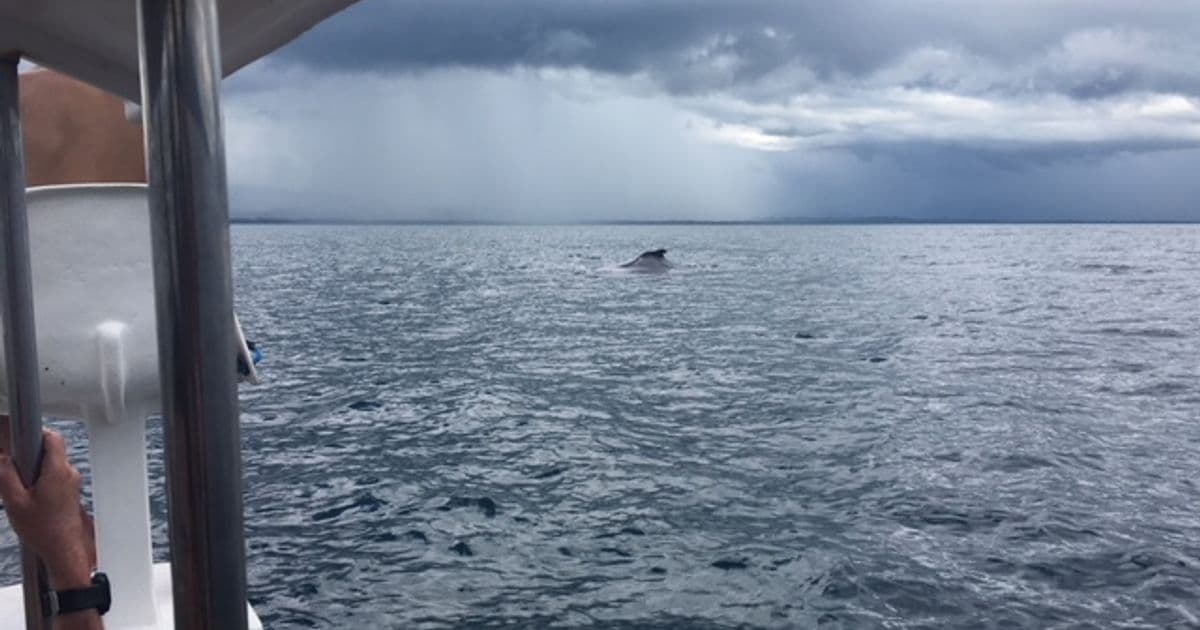
Whale watching is a remarkable option in the Golfo Dulce. Humpback whales visit the gulf from two distinct populations: Northern Hemisphere humpbacks arrive from late July through October, while Southern Hemisphere humpbacks visit from December through April. This gives the Golfo Dulce a longer whale season than almost any other location in the world. Dolphin sightings — particularly spinner dolphins, bottlenose dolphins, and Pacific spotted dolphins — are common year-round in the gulf's warm waters.
The beach at Playa Zancudo itself is long, flat, and suitable for walking, beachcombing, and swimming (with attention to the surf conditions, as the open Pacific side can have strong currents). Sea turtles nest on the Zancudo beach, particularly olive ridley turtles. The Río Coto Colorado estuary at the north end of the peninsula offers kayaking through mangrove channels rich with wildlife, and local guides can arrange tours into the mangrove forest to spot red-fronted hartebeest, caimans, and numerous bird species.
Whale Watching in the Golfo Dulce
The Golfo Dulce's enclosed warm waters serve as a nursery for humpback whales from both the Northern and Southern Hemisphere populations — an extraordinary natural phenomenon. Mother-calf pairs are frequently observed within the gulf, and whale behaviors including breaching, pectoral fin slapping, and singing can be witnessed from small boats at appropriate distances. Most sport fishing lodges in the Zancudo area can arrange dedicated whale watching excursions with knowledgeable naturalist guides.
Playa Zancudo — The Beach and Village
Playa Zancudo ("Mosquito Beach" — the name refers to a traditional long lance or spear, not the insect) is a community of perhaps 300–500 permanent residents including a mix of Costa Rican locals, long-term foreign residents, and fishing-oriented businesses. The village has a handful of small hotels, restaurants (including some excellent beachfront spots), a pulpería (general store), and basic services. It has a quiet, end-of-the-road character that appeals to travelers seeking something fundamentally different from the mainstream tourist destinations of Costa Rica.
The beach itself stretches approximately 6 kilometers along the Pacific side of the peninsula, with the calm Golfo Dulce waters on the eastern side offering safe swimming and kayaking. The Pacific-facing beach has stronger surf and is popular for beachcombing after storms bring interesting objects ashore from the open Pacific. A palm-fringed road runs the length of the peninsula, passable by most vehicles in dry season but requiring 4WD in wet season conditions.
The Golfo Dulce Side vs. Pacific Side
The two sides of the Zancudo peninsula offer distinctly different experiences. The Golfo Dulce side is calm, sheltered, and ideal for kayaking, swimming, and observing the natural marine environment at the water's surface. The Pacific ocean side has more surf energy, broader beaches, and the sensation of open Pacific exposure. Most accommodation and social activity in the village cluster along the interior road, with access to both sides a short walk away.
Best Time to Visit Zancudo Lodge
The optimal time for sport fishing at Zancudo Lodge is the dry season, running from December through April. This period coincides with peak sailfish activity in the Pacific, calm seas for comfortable boat rides, and lower rainfall. The Golfo Dulce's warm inshore waters support year-round fishing for roosterfish, cubera snapper, and other resident species, but dry season also brings Southern Hemisphere humpback whales (December–April) to the gulf.
The rainy season (May–November) brings substantially more precipitation to the South Pacific — the region around the Osa Peninsula is one of the wettest in Costa Rica, with annual rainfall sometimes exceeding 5,000 millimeters. Fishing is still possible and productive during the rainy season, particularly for inshore species, but boat travel in the Golfo Dulce and offshore can be affected by rough seas and significant rainfall. Some lodges reduce their operational capacity in the wettest months of September and October.
Northern Hemisphere humpback whales are present in the Golfo Dulce from approximately July through October, overlapping with the rainy season. Travelers prioritizing whale watching alongside fishing might consider visiting in August or September when whale activity peaks — being prepared for rain as part of the experience. The lush green landscapes and abundant jungle life during the rainy season have their own appeal for nature-oriented travelers willing to accept wet weather.
Getting the Most from a Zancudo Fishing Trip
Most visiting anglers stay 3–5 days at Zancudo Lodge to maximize their time on the water. A single day's fishing allows only one attempt at optimal conditions, while a multi-day stay lets experienced captains work different grounds and adjust to changing weather and current patterns. Bringing lightweight, moisture-wicking fishing clothing, polarized sunglasses (essential for sight-fishing), sunscreen rated SPF 50+, and any personal fishing tackle preferences from home is recommended.
Frequently Asked Questions
What makes Zancudo Lodge a top sport fishing destination?
Zancudo Lodge's location on the Golfo Dulce provides exceptional access to both world-class inshore fishing (roosterfish, cubera snapper, snook) and offshore Pacific billfish (sailfish, marlin). Experienced local captains, well-maintained boats, and the remote biodiversity-rich environment create a premium fishing experience that is a notch above most coastal Costa Rica lodges.
How do I get to Zancudo Lodge?
The most convenient route is to fly from San José to Golfito on Sansa Airlines (approximately 50–60 minutes), then take a water taxi from Golfito to Playa Zancudo (approximately 30–45 minutes). Alternatively, you can drive to Golfito (approximately 6–7 hours from San José via the Pan-American Highway in good conditions) and then take the water taxi.
What is the best time of year to fish at Zancudo?
The dry season from December through April is generally considered the best fishing season at Zancudo, combining peak sailfish activity offshore, excellent inshore roosterfish and snapper fishing, calm sea conditions, and the presence of Southern Hemisphere humpback whales in the Golfo Dulce. Inshore fishing for resident species is productive year-round.
Can I see humpback whales at Playa Zancudo?
Yes. The Golfo Dulce is one of the best whale watching locations in Costa Rica, receiving humpback whales from two distinct populations: Southern Hemisphere whales from December through April, and Northern Hemisphere whales from July through October. This creates an unusually long whale watching season. Most fishing lodges in the area can arrange dedicated whale watching excursions.
Is Playa Zancudo suitable for non-fishing visitors?
Yes, though the area is primarily oriented toward sport fishing. Non-fishing visitors can enjoy kayaking in the Golfo Dulce, birdwatching around the estuary and jungle edges, whale and dolphin watching, beach walking, and day trips to nearby attractions including Corcovado National Park on the Osa Peninsula. The small village has a genuine, non-touristy character appreciated by travelers seeking an off-the-beaten-path experience.